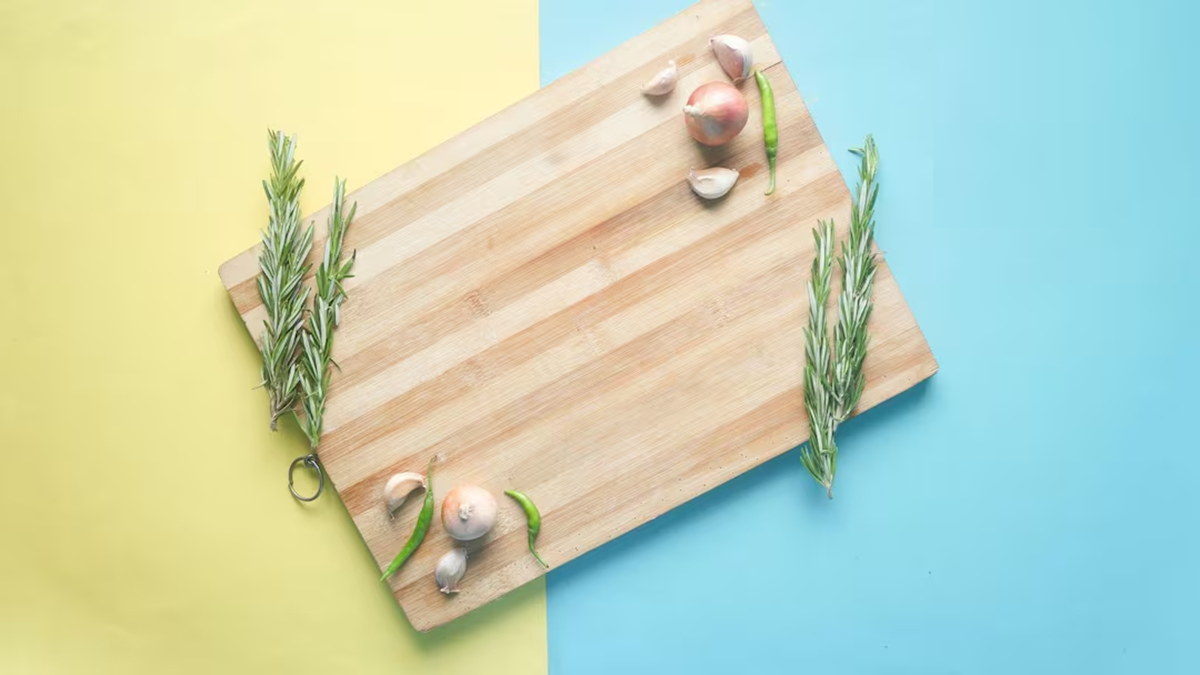
The chopping board used for cutting vegetables in the kitchen can also cause health problems when it gets old. Learn about the right time to replace it and how to clean it.
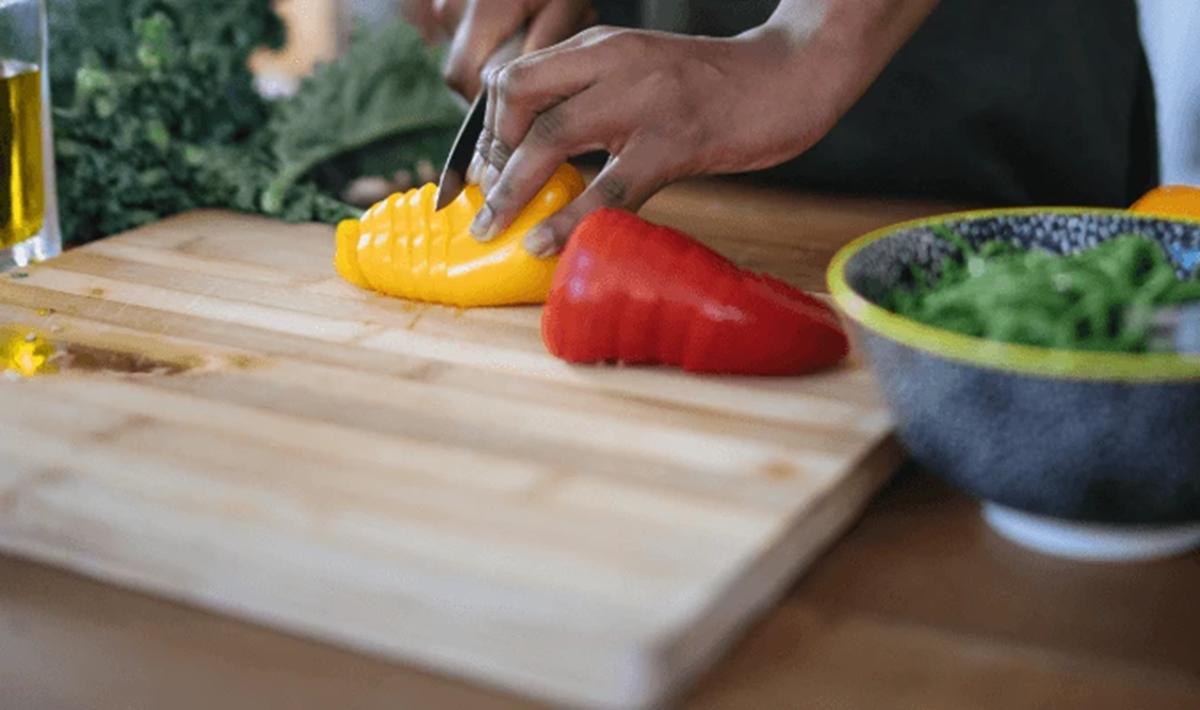
Expiry date of chopping board
Chopping boards are used in the kitchen to cut vegetables, fruits, and other items. Due to daily use, knife marks appear on the board, and its surface gradually deteriorates. This raises the question: how often should a chopping board be replaced, and what potential harm can it cause?
It's worth noting that there's no set expiration date for replacing a chopping board. The decision to replace it should be made based on its condition. Over time, it can develop marks and become more susceptible to bacterial growth.
When to replace the chopping board
Knife marks are common when cutting vegetables. However, when deep cuts and grooves form on the board, cleaning them becomes difficult. These areas trap small pieces of food and bacteria. If the board remains undamaged even after thorough washing, it should be replaced.
What is the lifespan of wooden and plastic boards?
Chopping boards are made from different materials, such as wood, bamboo, and plastic. Their lifespan depends on use and care. If a wooden board is cracked or starting to break, it's best to replace it. However, if a plastic board has excessive cuts and becomes difficult to clean, it's worth getting a new board. Replacing a board simply because it's old isn't necessary; its condition is more important.
Do not use if you notice any odor or mold.
If a chopping board has a persistent odor, mold, or is damaged by moisture, don't ignore it. Inspect its condition first. If the board can't be kept properly clean and dry, replace it. After use, wash the board thoroughly with soap and water and allow it to dry completely.
Take care of your chopping board like this.
Bacteria present in raw chicken, meat, and fish can be transferred to vegetables or fruits that are eaten raw. To avoid this, it is best to use separate chopping boards for raw meat and vegetables. Wash the board thoroughly with hot water and soap after each use. Rinse and dry the chopping board thoroughly after use. Avoid leaving it wet and store it in a place where it can get air. Periodically check its surface for cuts, cracks, and dirt accumulation. If the board is too worn to be cleaned thoroughly, replace it. This helps reduce the risk of dirt and bacteria being transferred to food.