
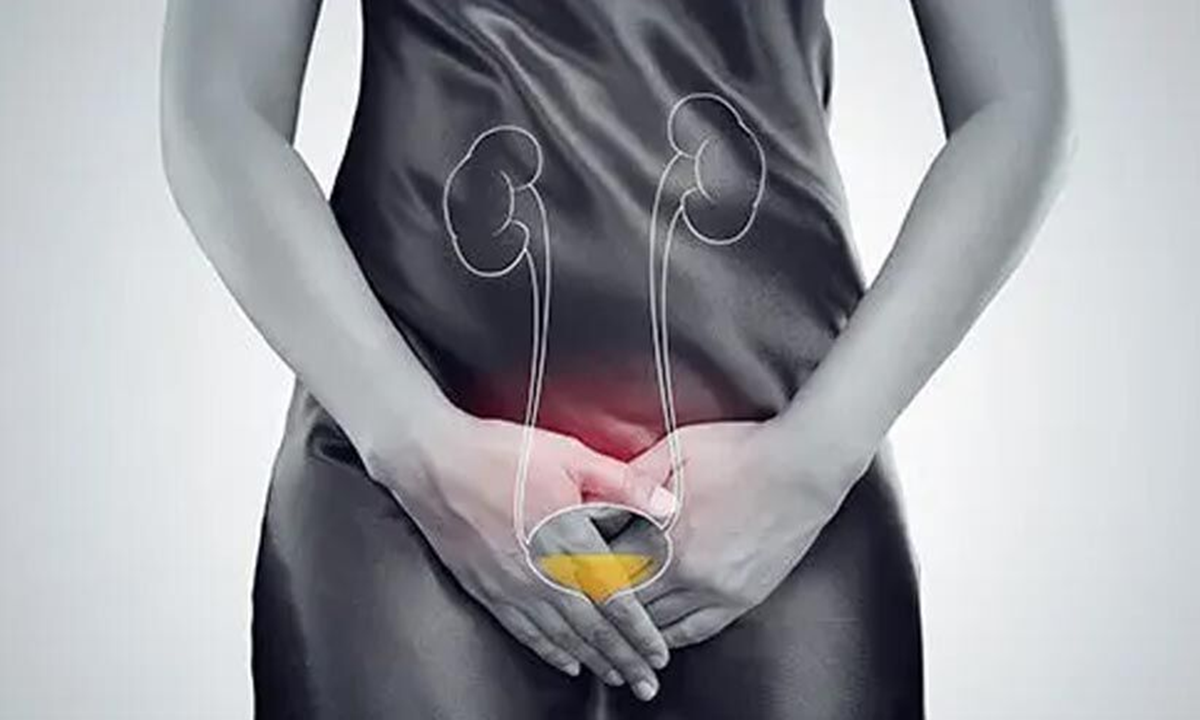
Do you have to urinate frequently after drinking water? This could be due to drinking too much water, high blood sugar, or a urine infection. Learn which tests may be helpful.
frequent urination
It's normal to urinate after drinking water. However, if you need to go to the toilet every few minutes or wake up frequently at night, it's important to understand the cause. Sometimes, drinking too much water, tea, or coffee can cause this. In some cases, high blood sugar or a urinary tract infection can also be the cause.
Get your sugar checked
If frequent urination is accompanied by excessive thirst, it's important to get your blood sugar checked. Increased urination occurs when blood sugar levels rise. Doctors may prescribe a fasting blood sugar test, or HbA1c. The HbA1c test reveals your average blood sugar level over the past 2-3 months. These tests can help diagnose diabetes.
A urine test will detect infection
If frequent urination is accompanied by burning, pain, or a foul odor, it could be a sign of a urine infection. Doctors recommend routine urine tests. If necessary, a urine culture test is also performed. This helps identify the bacteria causing the infection. Do not self-administer antibiotics without consulting a doctor. If the stream is weak while urinating or if you feel that the bladder is still empty after urinating, your doctor may recommend a uroflowmetry test. This test measures the rate of urine flow. In some cases, an ultrasound is also used to determine how much urine remains in the bladder after urination.
When should kidney tests be done?
If frequent urination is accompanied by swelling of the legs or face or other problems, doctors recommend a kidney test. Kidney function tests indicate whether your kidneys are functioning properly, but frequent urination doesn't necessarily mean your kidneys are damaged. Consult a doctor first and choose treatment based on the report.
Tell your doctor about your problem.
Tell your doctor how often you urinate during the day, how often you get up at night, and how much water, tea, or coffee you drink. Keeping a record for a few days will help your doctor choose the right tests. If you notice blood in your urine, a high fever, severe abdominal or back pain, or no urination at all, seek medical help immediately.