The role of oil in cooking is not just to enhance the taste, but it also helps in browning the surface of the paratha quickly, spreading the heat evenly, and making its outer layer crisp.
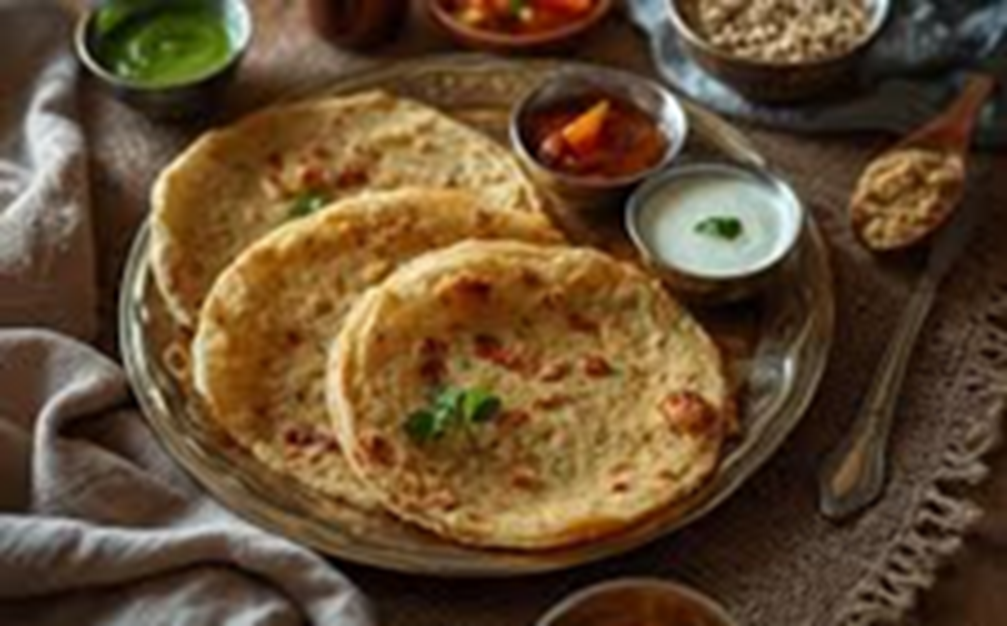
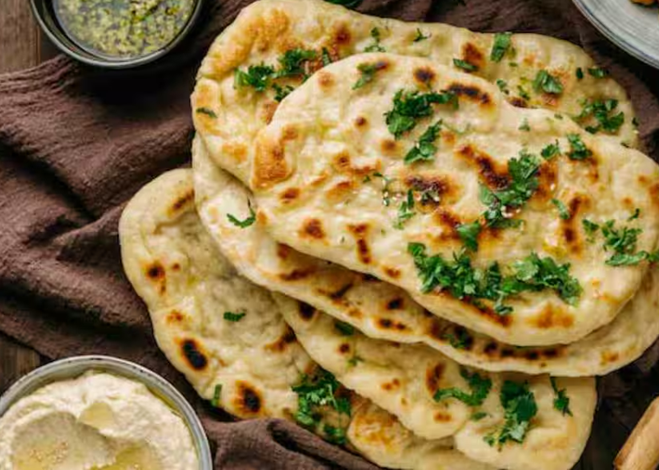
Tandoori parathas are a signature Indian cuisine with a unique sweetness and flavor that everyone loves. Traditionally made, tandoori parathas are renowned for their aroma, slightly crisp exterior, and golden color. All these qualities are typically achieved by the use of oil or ghee. But in today's times, when people are moving towards low-fat and healthy eating, the question arises: can we make tandoori parathas without using oil or ghee and still make them tasty and soft?
The role of oil in cooking isn't just to enhance the flavor; it also helps brown the surface of the paratha quickly, distribute heat evenly, and create a crispy outer layer. Using water, however, completely alters this process. The moisture and steam on the surface play a crucial role. Using water can help us create soft and tasty parathas even with less fat.
What is the best way to make Tandoori Parathas?
The best way to make tandoori parathas is to cook them with water. Water contributes to the texture and taste of tandoori parathas in many ways. Water prevents the surface temperature from rising quickly. When water evaporates, it regulates the heat and prevents the paratha from burning. Water activates the starch and gluten in the flour, making the paratha soft and light. Water doesn't add flavor as oil does, but it maintains the original wheat flavor of the paratha. Parathas cooked with oil experience more Maillard browning, which makes them darker and crispier. Cooking with water slows this process down, so the parathas remain lightly browned and soft.
Easy recipe to make tandoori parathas with water
1. Knead the dough - First, combine the refined flour (maida) or wheat flour with salt and add water little by little to form a dough. The dough should be soft and pliable after kneading. Cover and let it rest for 15-20 minutes to allow the gluten to develop properly.
2. Rolling the Dough - Divide the kneaded dough into small portions and roll each portion into a round disc. To prevent sticking, lightly dust the surface with a little dry flour.
3. Heating the griddle – Heat a heavy griddle or non-stick pan well over medium heat.
4. Apply water - After rolling, lightly sprinkle or brush a little water on one side of the paratha. Place the watered side down on the pan.
5. Cook - When bubbles appear on the paratha, flip it over and add a few drops of water as needed. Be careful not to add too much water, or the paratha will become soggy.
6. Applying gentle pressure – Cook the paratha by pressing it lightly until it completely touches the pan.