LIFESTYLE
Vitamin D Deficiency: Despite abundant sunshine, there's a severe vitamin D deficiency! 7 out of 10 people are sick.

Vitamin D: A large number of people are suffering from vitamin D deficiency. Surprisingly, this problem is not limited to the elderly; adolescents are also found to have low vitamin D levels.
Causes of Vitamin D Deficiency in India
Why Indians Face Vitamin D Deficiency: India is known as a sunny country, yet a large number of people suffer from vitamin D deficiency. Surprisingly, this problem isn't limited to the elderly; low vitamin D levels are also found in children and adolescents. Vitamin D is essential for calcium absorption, bone strength, and proper muscle function. This raises the question: why is vitamin D deficiency prevalent in India when the country receives ample sunlight year-round?
Shortage revealed in more than 11.6 lakh tests
Metropolis Healthcare analyzed data from over 1.16 million vitamin D tests conducted between January 2025 and May 2026. It revealed that nearly seven out of 10 people who got tested were either vitamin D deficient or had lower levels than the recommended amount.

This problem isn't limited to the elderly. Vitamin D deficiency has also been observed in children and adolescents, with the highest rates of deficiency among them. This could be due to factors such as prolonged indoor periods, limited outdoor time, and a lack of essential nutrients in the diet. Simply living in a sunny country doesn't guarantee that the body is producing enough vitamin D.
Why isn't just sunshine enough?
The body's skin produces vitamin D when exposed to the sun's ultraviolet B (UVB) rays. However, the amount of vitamin D produced in the body depends on several factors, including the time of day, skin color, clothing coverage, weather, and time spent in the sun.
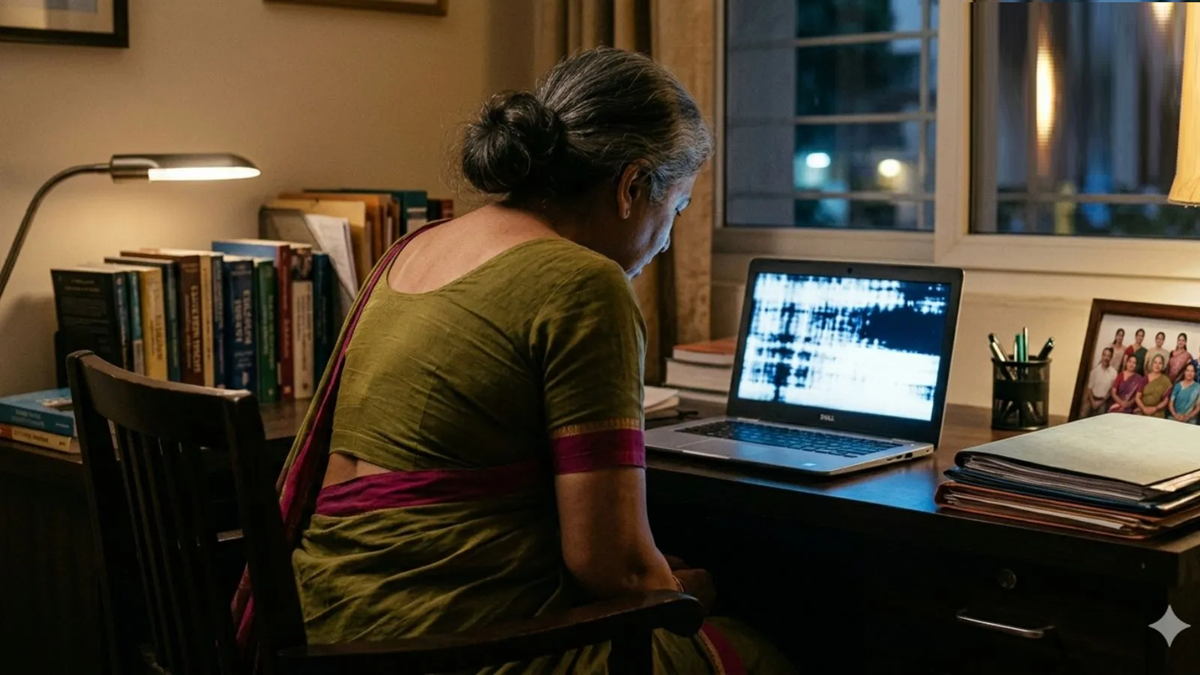
Today's changing lifestyles have also exacerbated this problem. Many people leave home in the morning, spend the entire day at the office or other indoor spaces, returning home after dark in the evening. Children are also spending a lot of time on mobile phones, computers, and other screen devices, reducing their time for outdoor play and activity. Furthermore, air pollution and excessively revealing clothing can reduce sunlight reaching the skin. Therefore, despite bright sunlight outside, the body doesn't receive the adequate UVB exposure needed to produce vitamin D.
Why is Vitamin D important for bones?
The most important function of vitamin D is to help the body absorb calcium. Calcium is essential for strong bones. Long-term low vitamin D levels can weaken bones and affect bone development in children. Severe vitamin D deficiency in children can lead to rickets, a condition that disrupts normal bone development. In adults, a deficiency can cause osteomalacia, a condition characterized by softening of bones and problems such as bone pain and muscle weakness.
Muscle weakness can be a cause for concern, especially for older adults, as it can increase the risk of falls. Adequate vitamin D is especially important during childhood and adolescence, when bone growth is most rapid. However, calcium, a balanced diet, and regular physical activity are essential for bone health even in adulthood.
Is morning sunlight enough for vitamin D?
Morning sun exposure is often considered part of a healthy routine. Spending time outdoors can increase physical activity and help better regulate the body's sleep-wake cycle. However, early morning sun exposure isn't always sufficient when it comes to vitamin D. The skin needs UVB rays to produce vitamin D, and these rays are typically stronger late in the day and around noon than early in the morning. However, the strength of UVB rays varies depending on the season, location, and weather conditions.
Therefore, it's not appropriate to prescribe a specific amount of sun exposure for every individual to obtain vitamin D. While sun exposure may be necessary, sunburn and excessive UV exposure should be avoided. If you're concerned about vitamin D deficiency, it's best to consult a doctor rather than relying solely on sunlight.
Diet and vitamin D testing are also important.
Diet can also help prevent vitamin D deficiency. Fortified milk and other fortified foods, eggs, and oily fish are some sources. Vegetarians can include fortified dairy products and other fortified foods in their diet.
Some people may need supplements, especially if tests confirm a vitamin D deficiency or if a person is at high risk for a deficiency. However, self-administration of supplements is not advisable. Excessive vitamin D intake can dangerously increase calcium levels in the body. If you experience persistent bone pain, muscle weakness, or other problems, you should consult a doctor. If necessary, your doctor may recommend a blood test to check your vitamin D levels.
Not just more sunshine, the right lifestyle is important
Vitamin D deficiency in India highlights that sunlight exposure alone doesn't guarantee adequate vitamin D levels. Lifestyle, diet, outdoor activities, and a person's health also play a role. Encouraging children to play and be active outdoors, exercising regularly, eating a balanced diet, and consulting a doctor when necessary are crucial for bone health. Paying attention to bone health, especially during childhood and adolescence, can help reduce the risk of many health problems later in life.
Therefore, the goal for vitamin D shouldn't be simply to get as much sun as possible. What's needed is to use sunlight wisely, along with proper nutrition, physical activity, and, if necessary, medical advice, as part of your lifestyle.
Expert opinion
According to Dr. Varsha Birla, MD, DNB Biochemistry and Regional Quality Head, Metropolis Healthcare Limited, despite India's abundant sunlight, vitamin D deficiency remains a significant problem. This is due not only to the availability of sunlight, but also to people's daily lifestyles, spending more time indoors, and a lack of adequate vitamin D intake from their diet.