
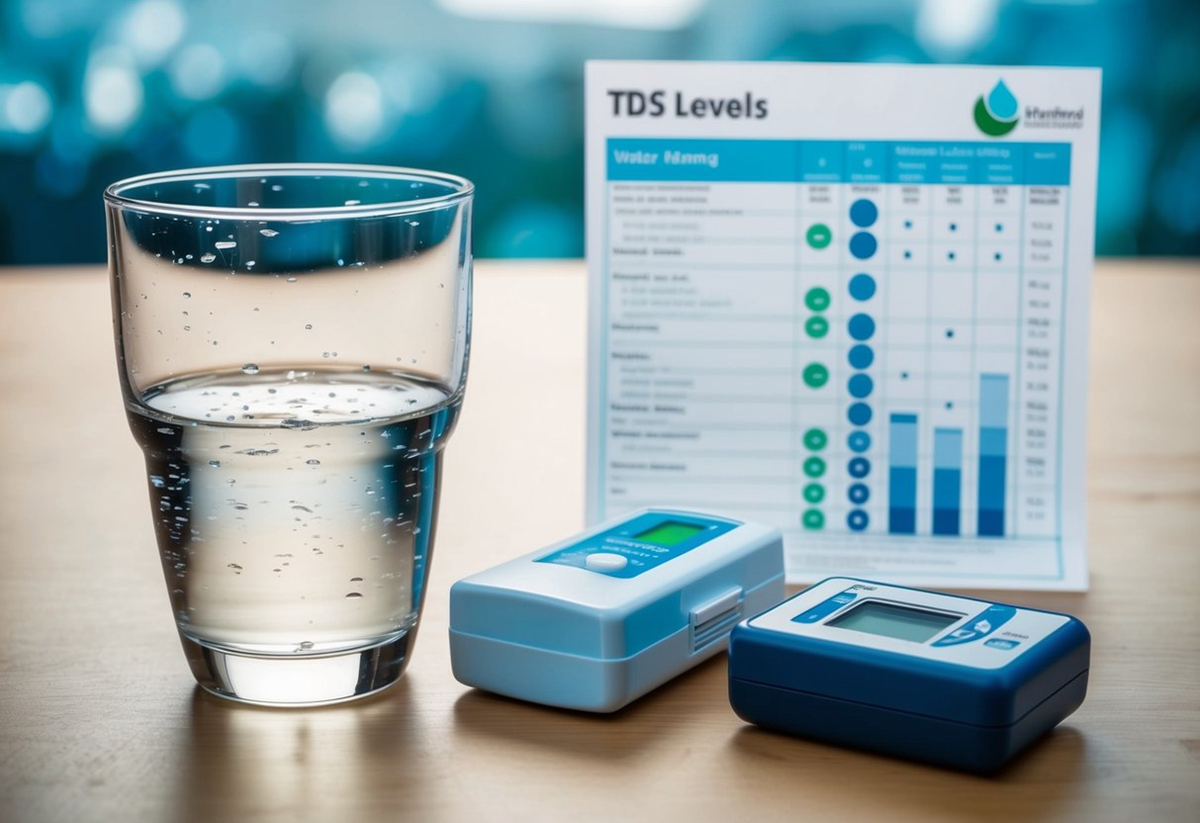
Just because water looks clear doesn't mean it's safe to drink. Learn what TDS is, how to measure it at home, and how RO purifier technology helps reduce dissolved solids in water.
TDS measurement technology
Just because the water you get into your home looks clean and tastes good doesn't necessarily mean it's completely safe to drink. Water can contain many invisible contaminants. Therefore, TDS is tested to determine their concentration. Technology now allows TDS meters and water purifiers to measure and reduce dissolved contaminants. Therefore, it's important to understand TDS, how its levels affect water quality, and how RO purifiers help purify water. So, let's explore why measuring water TDS is important.
What is TDS of water?
TDS stands for Total Dissolved Solids. It measures the amount of salt and other dissolved solids in water. It can include calcium, magnesium, sodium, chloride, sulfate, and other dissolved elements. These can enter water from natural sources, while factory wastewater, sewage, agricultural chemicals, and urban rainwater can also increase the amount of dissolved solids in water. TDS is usually measured in PPM (Parts Per Million), or mg/L. An increase in its amount can make water taste salty or bitter.
Why is it important to measure TDS of water?
Measuring the TDS of water reveals the total amount of calcium, magnesium, salt, and other dissolved elements in it. In this technological age, a TDS meter can be used to measure these dissolved elements at home. This helps determine whether a water purifier like RO is needed to purify the water. However, TDS readings alone do not guarantee the water's safety. Other tests are also necessary to check for harmful chemicals and bacteria.
How does RO technology reduce TDS?
RO technology in water purifiers helps clean water by removing excess salts and other contaminants. In this process, water is passed through a special thin filter layer under high pressure. This thin filter layer allows water to pass through, but retains many dissolved salts and other contaminants. RO purifiers can be especially useful for water from sources with high TDS. Technologies like UV and UF are primarily used for microbial protection.