
The CAG has revealed that the BIS is not properly monitoring the purity of hallmarked gold sold in the market. This has increased the risk of fraud against ordinary consumers. So, is the guarantee of the purity of your gold lost?
How does the hallmarking system work?
You bought gold after seeing the hallmark. You thought the government had guaranteed its purity, but a draft report by the country's largest government auditor, the Comptroller and Auditor General of India (CAG), has shaken this confidence. According to the report, the Bureau of Indian Standards (BIS), the government body responsible for checking the purity of gold, has not visited more than 80% of registered jewelers' shops for inspection in the last five years. This means the hallmark is there, but the monitoring behind it has failed. Currently, around 2.3 lakh jewelry shops in the country are registered with the BIS, and selling gold without a hallmark is illegal in 392 districts.
So, is the gold kept in your safe not pure, and how complicated is the matter?
First, understand how the hallmarking system works.
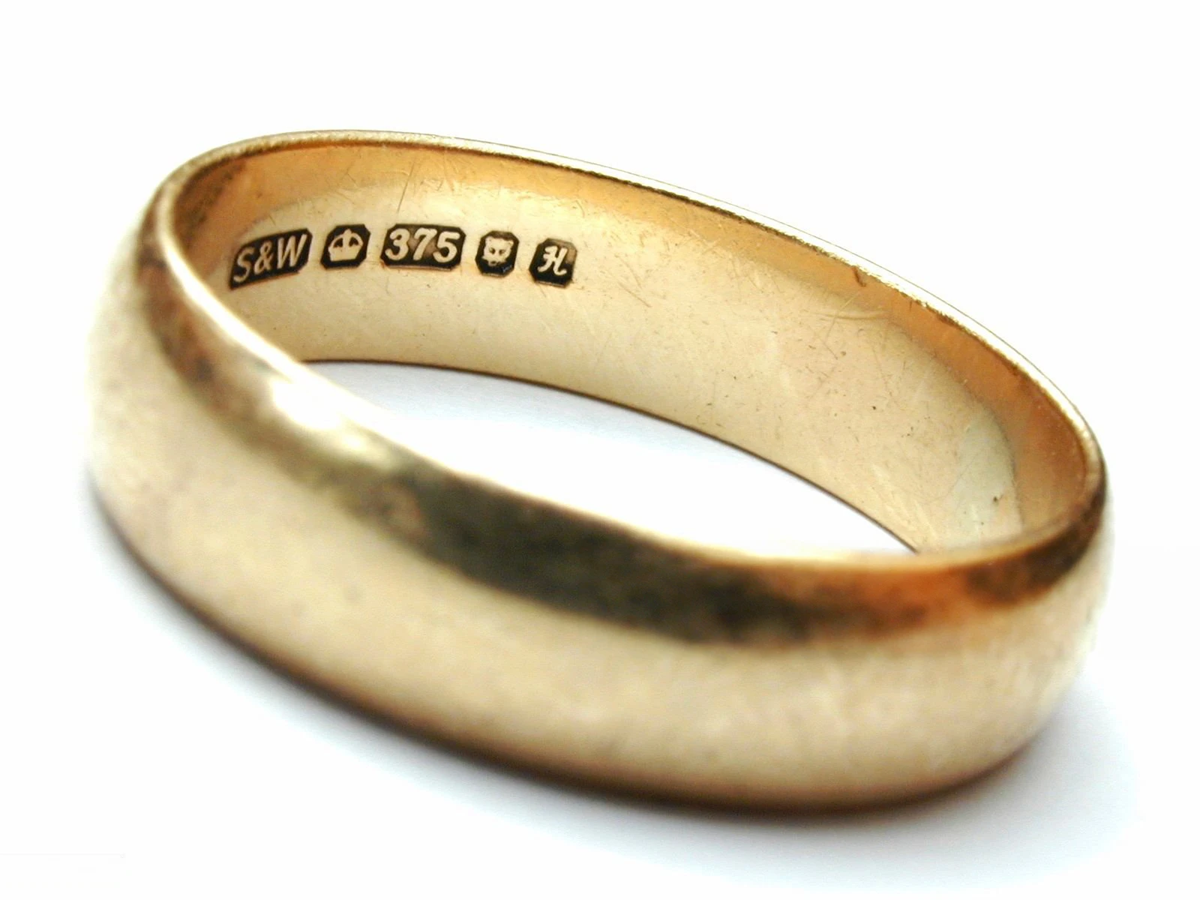
A hallmark isn't just a stamp. It's a whole chain. Jewelers register with BIS and then send their jewelry to a BIS-accredited Assaying and Hallmarking Center (AHC). There, the purity of the gold is tested, and each piece is assigned a six-character alphanumeric HUID (Hallmark Unique ID). This HUID is the jewelry's "identity," which you can verify by scanning it with the BIS app.
According to government data, more than 650 million gold jewelry items have received HUIDs as of July 31, 2026. The number of BIS-registered jewelers has increased from 43,153 to 229,590, and the number of AHCs has increased from 948 to 1,577. This means the system's "structure" has expanded. The CAG's question is not about the structure itself, but about the monitoring of that structure.
What are the shocking figures in the CAG draft report?
CAG audited the functioning of BIS and found that as per the rules, BIS has to visit every registered jeweler's shop at least once every year and inspect it, but this did not happen.
According to a report by The Hindu BusinessLine, in the five years since 2020-21, BIS failed to reach 83.25% of registered jewelers. In 2024-25 alone, there were 28,865 licensees. Of these, only 5,444 were inspected. This means that 81.13% of shopkeepers remained unchecked.
Not only jewelers, the BIS also failed in monitoring the testing centers (AHCs). According to the report, the BIS fell 43.7% short of its target. This means that even the centers where gold purity is tested are not being monitored properly.
When the CAG discovered this negligence, the BIS defended itself by stating that it was short on staff and that collecting samples from remote areas was difficult. The CAG rejected this excuse. The auditor's reasoning is clear: if there was no shortage in granting registrations, why was there a lack of monitoring? The CAG believes that the BIS focused solely on distributing licenses, not on their inspections.
What does this mean to you?
The purpose of hallmarking was to protect consumers from fraud and provide information about purity. Government documents also state that hallmarking ensures consumers are "protected from fraud" and "receive the purity declared." But if 81% of shops are not even undergoing annual inspections, who is "guaranteeing" the purity of HUID-certified jewelry?
The CAG report directly raises the question that hallmarking and monitoring hallmarks are two different things. The system strengthened the first aspect, but weakened the second.
So don't trust Hallmark anymore?
This draft CAG report is yet to be presented to Parliament. It will be tabled after receiving a final response from the Ministry of Consumer Affairs. This report has made it clear that hallmarking is a necessary step, but it is not a guarantee in itself.
Experts advise that until BIS's oversight is strengthened, don't be satisfied with just the hallmark when making a purchase. Verify the HUID, keep the bill, and check with the BIS app if in doubt. The weaker the system's oversight, the more vigilant you need to be.