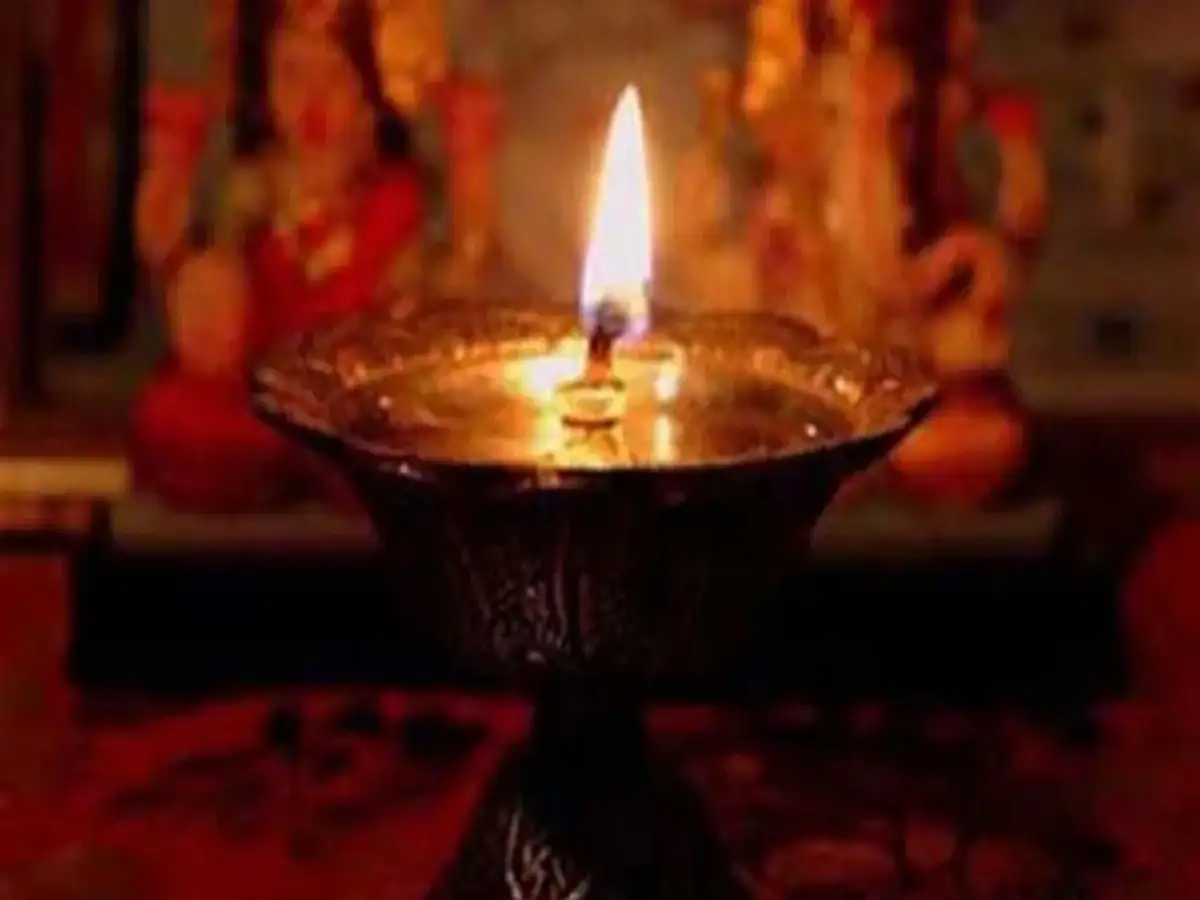
Lighting a lamp in the home temple is one of the oldest and most cherished traditions in Hindu households. According to Vastu Shastra and traditional beliefs, the flame of a lamp symbolizes wisdom, purity, and the removal of darkness and negative energy. It is also considered a way to invite peace, prosperity, and divine blessings into the home.
Many people, however, often wonder whether there is a fixed rule about the number of lamps that should be lit every day. Should you light one lamp or two? Which oil or ghee is considered most auspicious? Does the direction of the lamp matter?
Here is a detailed look at the commonly followed Vastu guidelines and traditional practices associated with lighting lamps in a home temple.
Is It Necessary to Light a Lamp Every Day?
According to Hindu traditions, lighting at least one lamp in the home temple every day is considered highly auspicious. Most families perform this ritual during the morning and evening prayers as a symbol of devotion and gratitude.
It is widely believed that regularly lighting a lamp can:
- Create a positive and peaceful atmosphere at home.
- Enhance spiritual energy during daily worship.
- Strengthen faith and devotion.
- Symbolically remove negativity and darkness.
- Foster a sense of calm and inner peace.
While these beliefs are rooted in tradition, they are cultural and spiritual practices rather than scientifically established facts.
Should You Light One Lamp or Two?
There is no universal religious rule that requires every household to light exactly two lamps each day.
Many families choose to light one lamp, considering it sufficient when offered with sincere devotion. Others traditionally light two lamps—one dedicated to the primary deity worshipped in the home and another for Goddess Lakshmi or the family's Kuldevi (family deity).
If your family has been following a particular custom for generations, it is generally considered appropriate to continue that tradition.
In Hindu worship, the sincerity of prayer is regarded as more important than the number of lamps being lit.
Which Oil or Ghee Is Best for Lighting a Lamp?
Different oils and ghee are traditionally associated with different forms of worship.
Cow Ghee Lamp
A lamp lit with cow's ghee is widely regarded as one of the most auspicious options for daily worship. It is commonly used during regular prayers and festive occasions and is believed to symbolize purity and devotion.
Sesame Oil Lamp
A lamp filled with sesame oil (til oil) is traditionally used during the worship of Lord Shiva and Lord Shani. Many devotees also light sesame oil lamps on Saturdays as part of religious observances.
Mustard Oil Lamp
In several regions of India, mustard oil lamps are used during specific rituals and local religious traditions. Their use often depends on family customs and regional practices.
The choice of oil or ghee generally depends on the deity being worshipped and the traditions followed within the household.
What Is the Ideal Direction for the Lamp?
Vastu principles commonly recommend placing the lamp so that it faces east or north. These directions are traditionally associated with positive energy and spiritual harmony.
When placing the lamp, ensure that:
- It is kept on a stable and secure surface.
- It is positioned away from curtains, paper, or other flammable objects.
- The area around the temple remains clean and uncluttered.
Important Tips While Lighting a Lamp
To perform the ritual safely and respectfully, keep these points in mind:
- Clean the home temple before offering prayers.
- Use a fresh and clean cotton wick every day.
- Light the lamp with a calm and focused mind.
- Avoid extinguishing the flame by blowing on it unless absolutely necessary.
- Keep the lamp out of the reach of children and pets.
- Allow the lamp to burn safely without leaving it unattended near combustible materials.
A Ritual Rooted in Faith
Lighting a lamp is more than a daily ritual for many Hindu families—it is an expression of devotion, gratitude, and spiritual discipline. Whether you light one lamp or two, what matters most in traditional belief is the sincerity and reverence with which the ritual is performed.
Following your family's customs while observing basic safety precautions can help preserve this meaningful tradition. Since practices may vary across regions and communities, devotees are encouraged to respect their local customs and personal beliefs while performing daily worship.