Plague History: Recently, the threat of a plague epidemic has spread to Russia's Siberian region. Let's explore the historical events that the plague has wreaked havoc on. Find out how many people lost their lives.
History of the plague
Plague History: Concerns about the spread of plague have increased after a female laboratory worker died from a severe form of pneumonic plague in Russia's Siberia region. However, neither Russia nor the World Health Organization has confirmed that her death was due to plague.
But this case has attracted considerable attention because the woman worked at an institute that researches Yersinia pestis, the bacterium responsible for plague. In the meantime, let's explore the historical events of plague and the number of deaths.
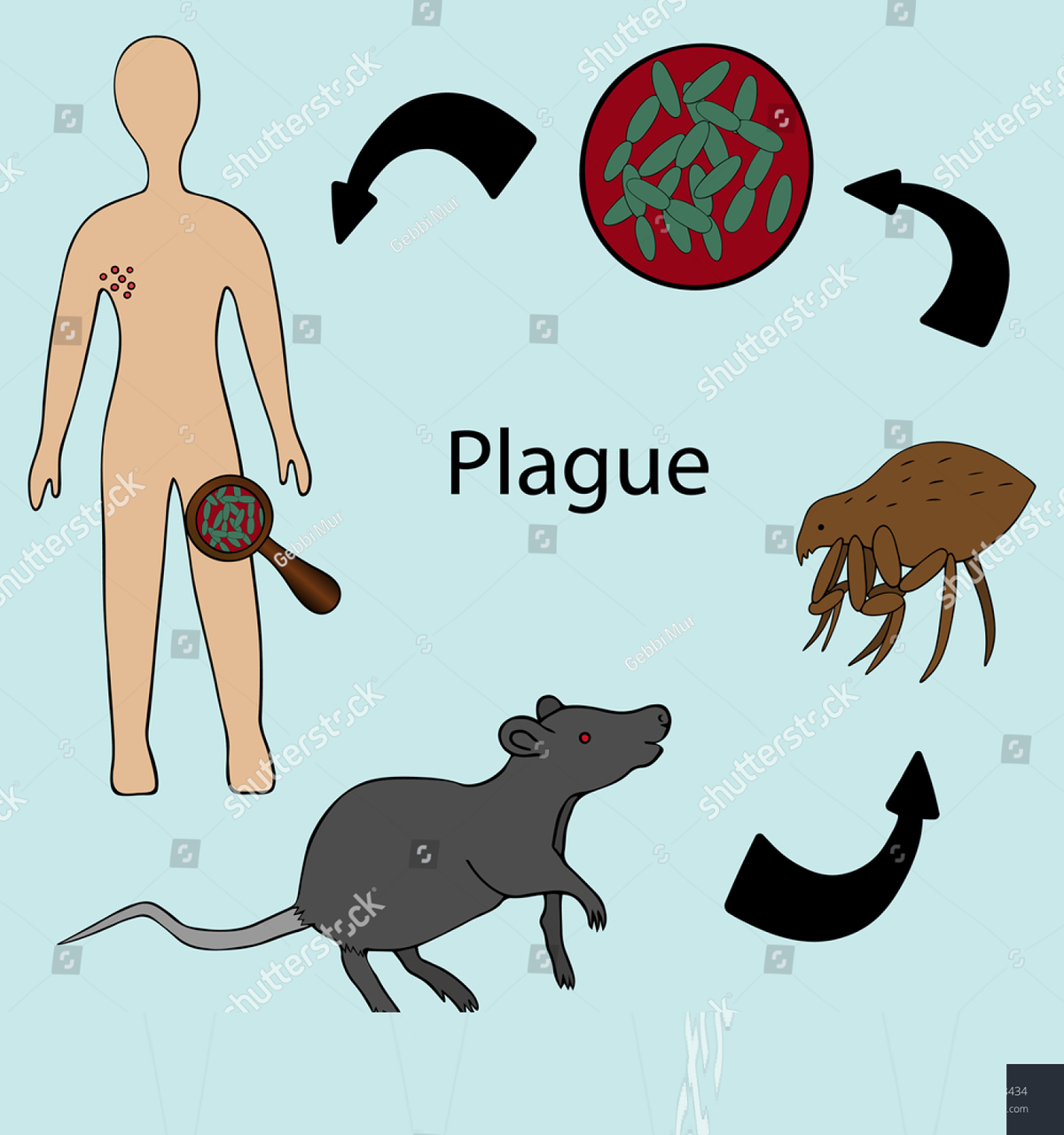
The Plague of Justinian began in 541 AD and spread from Constantinople, the capital of the Byzantine Empire, along Mediterranean trade routes. It is believed that rats and fleas on ships carrying grain from Egypt spread the disease.
At its peak, thousands of people were dying every day in Constantinople. It is estimated that the pandemic killed between 25 million and 100 million people in its various waves. The massive population loss weakened the Byzantine Empire's economy and military and altered its course of expansion.
Black Death
The Black Death struck Europe, Asia, and the Middle East between 1347 and 1353. The disease spread along major trade routes before reaching European ports and rapidly spreading to densely populated cities. It is estimated that over 50 million people died. Europe lost approximately 30% to 60% of its population. Many towns and villages were devastated in the aftermath.
Third plague pandemic
The third plague pandemic began in Yunnan Province, China, in 1855. Growing international maritime trade allowed the disease to spread from China to Hong Kong and then to ports in India, Africa, the United States, and South America.
More than 15 million people died worldwide, with over 10 million deaths in India. Bombay, Calcutta, and Pune were the hardest hit. A major scientific breakthrough came in 1894. Scientists then identified Yersinia pestis as the bacterium responsible for the plague and linked it to rats and fleas.
Plague of London
The London plague of 1665 was one of the most devastating regional outbreaks. Within a year, approximately 68,000 to 100,000 people died. This represented more than a fifth of London's population. Wealthy residents fled the city, leaving the poorer communities vulnerable to the disease. Authorities took drastic measures to contain its spread.
In 1666, a massive fire struck London, and the plague subsided. However, the fire wasn't the sole cause of its disappearance. This outbreak reflects the widespread historical impact of the plague. For centuries, the disease caused millions of deaths, disrupting economies, political systems, and social structures.
Modern sanitation, antibiotics, and public health measures have made plague much more manageable. But its history illustrates why suspected cases are treated seriously. Despite advances in antibiotics, sanitation, and public health, plague has not been completely eradicated. The disease still persists in parts of Africa, Asia, and the Americas, especially in areas where rats and fleas spread the bacteria. Modern medicine has made plague treatable if detected early. Its history demonstrates how rapidly infectious diseases can spread when surveillance, health care systems, and prevention measures are inadequate.