NEWS
The Rs 300 fare is being booked for Rs 800. Why have taxi and auto rides become more expensive in Delhi-NCR?
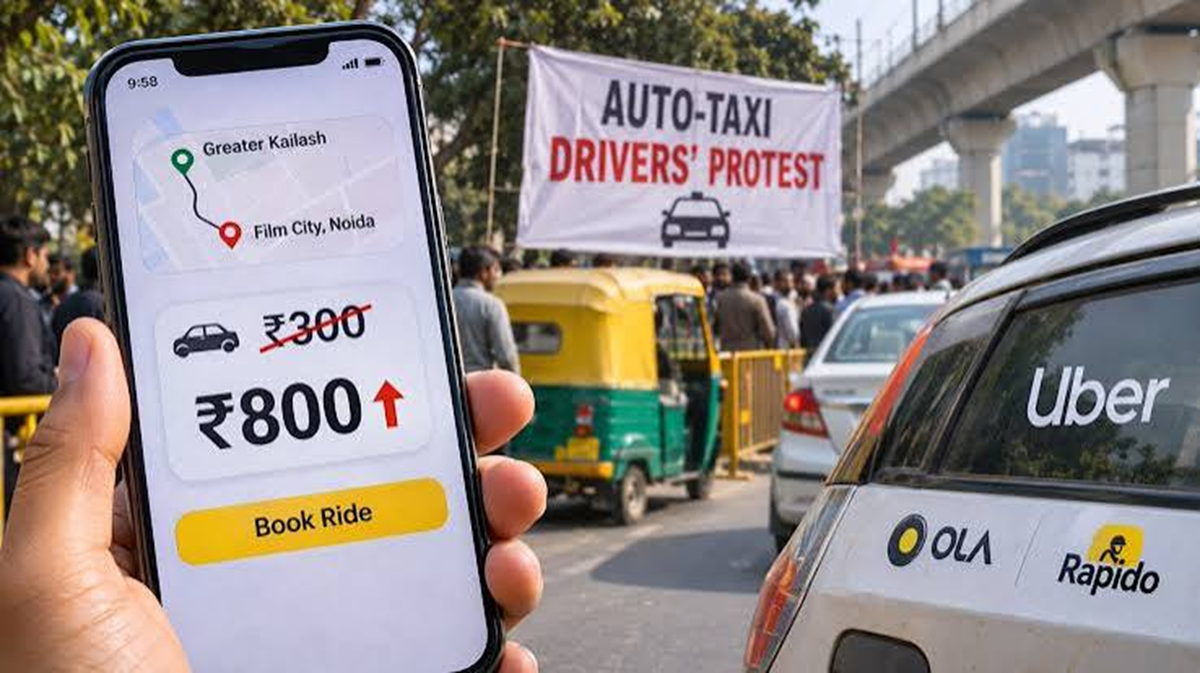
A more than 30% increase in cab and auto fares in Delhi-NCR has left people worried. During peak hours, they are now charging ₹400-₹800, up from ₹300 previously.
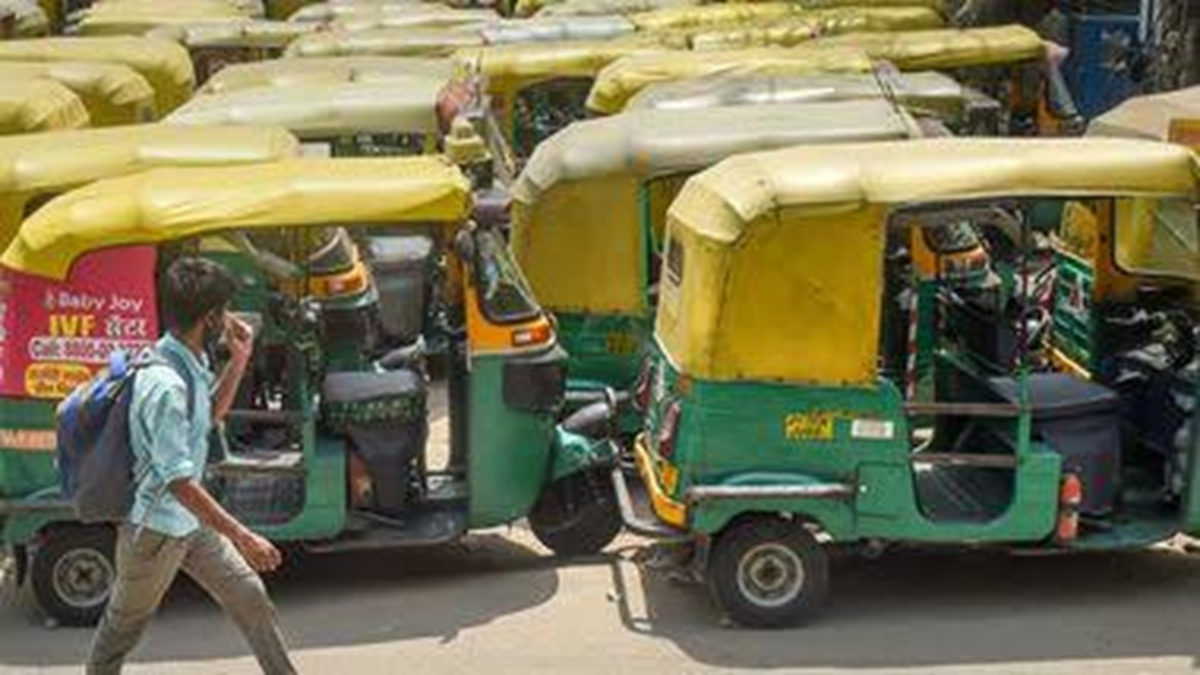
Delhi-NCR Cab-auto fare hike
Thursday's protest by transport workers in Delhi-NCR directly impacted the pockets of ordinary commuters, with cab and auto fares seeing a steep increase. The protests, which demanded restrictions on app-based ride services, reduced the number of vehicles on the roads. Consequently, passengers had to pay up to ₹800 for a trip that normally costs around ₹300.
According to a report in India Today, a cab ride from Greater Kailash in South Delhi to Film City in Noida , which usually costs around ₹300 on Ola and Rapido, was showing a fare of over ₹400 around 9 a.m. By 10 a.m., the fare had crossed ₹500. According to the report, a passenger had to pay up to ₹800 for the same distance. The report also noted that auto and cab fares on Ola and Rapido had increased by at least 30%, a rise that continued even during non-peak hours.
What are the demands of the unions?
Auto and taxi drivers with commercial permits are protesting against bike taxis with private number plates (white plates). They argue that these bike taxis are directly stealing their passengers without incurring any legal or business expenses. To purchase and operate a commercial vehicle with a yellow number plate, drivers must pay permit fees, commercial road taxes, fitness certificates, and expensive commercial insurance. In contrast, private (white plate) two-wheeler owners are ferrying passengers through apps without any commercial taxes or strict inspections.
Direct impact on employment
Previously, people used to take autos or black and yellow taxis for short distances. Now, with the availability of affordable bike taxis through apps, they are increasingly using them. This is depriving auto and taxi drivers of their jobs. Unions allege that app companies in Delhi-NCR are openly adding private bikes to their platforms, while the Transport Department is not taking strict action against them.
Because private bike riders are not burdened with commercial expenses and high fuel consumption (CNG/petrol), they are able to offer rides at very low fares. Auto and taxi drivers cannot charge fares low enough to cover their costs.
Union members are adamant on this demand too
Unions affiliated with the Bharatiya Mazdoor Sangh (BMS) protested at Delhi's Ramlila Maidan, raising key demands for auto and taxi drivers, including fare hikes, a ban on bike taxis with private number plates (white plates), and the removal of some of the strict fitness requirements for auto-rickshaws. Drivers say poor working conditions, safety risks, and declining earnings are making it increasingly difficult for them to earn a living