ASTROLOGY
Vastu Tips for Wall Clocks: Which Direction Is Considered Best and Where Should You Avoid Placing One?
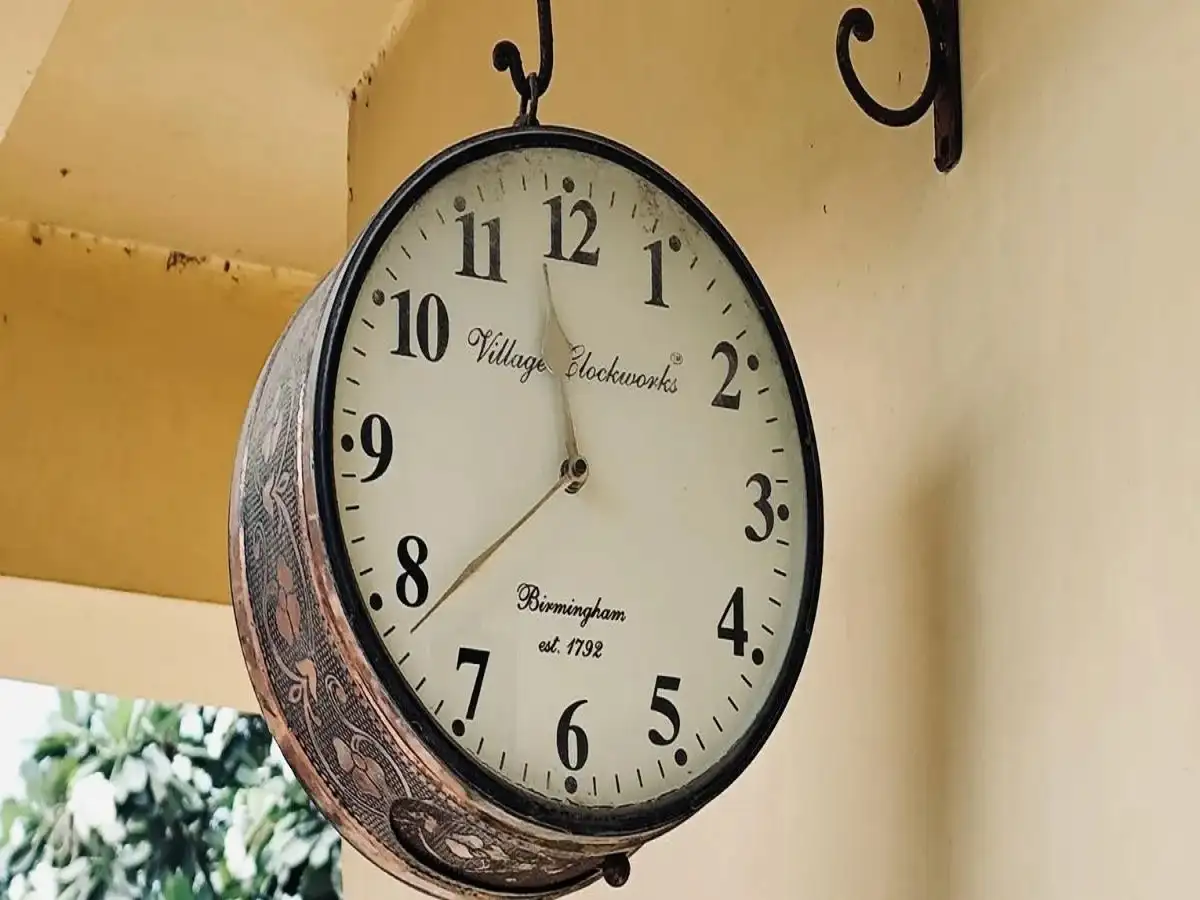
A wall clock is one of the most common objects found in almost every home. While its primary purpose is simply to tell time, Vastu Shastra traditions attach additional significance to where a clock is placed inside a house.
According to Vastu beliefs, different directions of a home are associated with different types of energy and aspects of life. For this reason, followers of Vastu often consider the direction of a wall clock before deciding where to hang it.
Some directions, particularly north and east, are traditionally considered suitable for clocks, while placing one in the south is often discouraged. Vastu traditions also recommend keeping clocks functional, clean and set to the correct time.
It is important to note that these recommendations are based on traditional Vastu beliefs and are not scientifically proven to influence career, prosperity or other life outcomes.
Is the North Direction Good for a Wall Clock?
According to Vastu Shastra beliefs, the north direction is considered one of the preferred locations for placing a clock.
North is traditionally associated with career growth, progress and opportunities. Because of this association, followers of Vastu may choose a north-facing wall when deciding where to install a clock.
The same belief is sometimes applied to workplaces and offices, where placing a clock in the north is associated with professional progress and new opportunities.
However, these effects should be understood as part of Vastu tradition rather than scientifically established outcomes.
Why Is the East Direction Also Considered Suitable?
The east direction is another commonly recommended location for a wall clock under Vastu principles.
East is traditionally associated with the rising sun and is therefore viewed as a direction representing beginnings, growth and positive energy.
A clock placed on an eastern wall is consequently considered favourable by those who follow Vastu. Some traditions associate this placement with an energetic and positive environment for family members.
From a practical perspective, whichever direction is chosen, the clock should be installed somewhere it can be seen comfortably without disrupting the room's overall arrangement.
Should You Avoid Putting a Clock in the South?
Vastu traditions generally advise against installing wall clocks in the south direction.
According to these beliefs, placing a clock in the south may interfere with the positive flow of energy within the home. As a result, people who closely follow Vastu guidelines may prefer north or east instead.
There is, however, no scientific evidence showing that the direction of a wall clock can directly affect a person's success, finances, health or fortune.
Therefore, avoiding the south direction should be regarded as a traditional Vastu preference rather than a scientifically established rule.
Why Is a Clock Above the Main Door Often Discouraged?
Some Vastu recommendations also suggest avoiding a clock directly above the main entrance of a house.
From a traditional perspective, the main door is viewed as an important point for the movement of energy into and out of a home. Therefore, some Vastu followers prefer not to position a clock directly above it.
There can also be a practical reason for following this advice. A large or heavy wall clock positioned above a frequently used doorway needs to be securely installed. If its mounting becomes loose, it could fall and create a safety hazard.
A clock placed too high above a door may also be difficult to read comfortably.
What Does Vastu Say About Broken or Stopped Clocks?
Vastu traditions generally discourage keeping a stopped, damaged or non-functional clock inside the home.
A clock that has stopped is sometimes symbolically associated with stagnation or a lack of progress. For this reason, people who follow Vastu principles are often advised to repair a non-working clock promptly.
If the clock cannot be repaired, replacing or removing it may be preferred.
Even without considering Vastu, fixing a broken clock makes practical sense. A clock that no longer shows the time correctly has little functional value unless it is being kept purely as a decorative or sentimental object.
Should a Wall Clock Always Show the Correct Time?
Keeping clocks set accurately is another recommendation commonly found in Vastu-related guidance.
A wall clock that constantly displays the wrong time can cause practical confusion, especially in frequently used areas such as the living room, kitchen, study or office.
If the battery is weak or the clock frequently loses time, replacing the battery or repairing the mechanism can help keep it reliable.
Where Should You Finally Place Your Wall Clock?
For people who wish to follow traditional Vastu recommendations, north and east are generally considered favourable directions for wall clocks, while the south is often avoided.
It is also traditionally recommended not to keep broken or stopped clocks and to avoid hanging a heavy clock directly above the main entrance.
At the same time, practical considerations remain equally important. A clock should be securely mounted, easy to see, correctly set and positioned in a location that complements the room.
Vastu recommendations are rooted in traditional beliefs rather than established scientific evidence. Homeowners can therefore choose to follow them according to their personal faith and preferences while also considering safety, convenience and interior design.