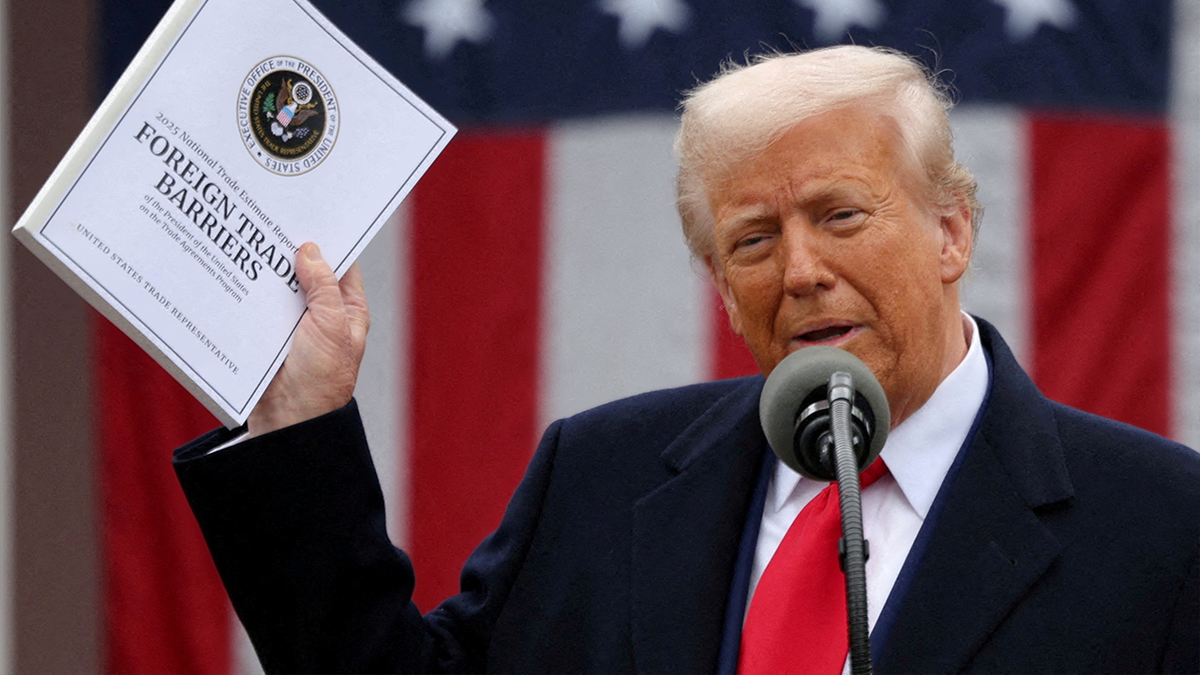

US President Trump has decided to lift a 50 percent tariff on some Canadian goods. This move, taken before the election, will provide relief to select businesses, but trade tensions remain high.
Trump's U-turn: abolished 50% tariff on many goods, why changed the decision?
The ongoing trade tensions between the United States and Canada are once again in the news. US President Donald Trump has decided to ease the heavy import tariffs imposed on some Canadian products.
This move comes as the US midterm elections approach and inflation remains a major issue for ordinary people. However, this decision does not mean the removal of tariffs on all Canadian goods, as the scope of the tariffs has been expanded to include some other products.
Tariffs will increase on some products.
While some Canadian goods have been granted relief, several products have been reinstated under the 50 percent tariff, including carpets, paint, shampoo, air conditioning equipment, and several other items.
This clearly indicates that US trade policy has not fully softened. The administration intends to reduce tariffs on select products while maintaining pressure in other areas. This change may force businesses in both countries to adjust their import and export strategies.
Which products got relief in 50 percent tariff?
According to a new order from the Trump administration, certain agricultural and forestry products imported from Canada will be exempted from a 50 percent tariff. This list includes certain categories of plywood, paper products, certain machinery, refrigeration equipment, and packaging materials.
According to the report, these changes are to be implemented from October 30, 2026. The government says that this step has been taken with the aim of minimizing the impact on American businesses and protecting trade interests.
What will be the impact on US-Canada trade tensions?
In August, after trade talks between the two countries collapsed, the US imposed 50 percent tariffs on approximately $20 billion worth of Canadian goods. Canada responded by imposing retaliatory tariffs on US products.
The new decision may provide some relief to businesses, but there are no signs of a complete resolution of the trade dispute. Canadian Trade Minister Dominic LeBlanc said his country is assessing the developments. The direction of the negotiations between the two countries could impact businesses, product prices, and cross-border trade.
Why is this decision important before the elections?
With midterm elections scheduled for November 3rd in the US, providing relief to businesses and farmers dependent on imports from Canada is considered politically significant. Republican Senator Susan Collins welcomed the decision, saying it could benefit blueberry, potato, apple, and seaweed producers in Maine, where specialized equipment and packaging materials from Canada play a vital role. Meanwhile, Democratic candidate Troy Jackson criticized Trump's tariff policy, arguing that trade tariffs have increased costs for businesses and the public.