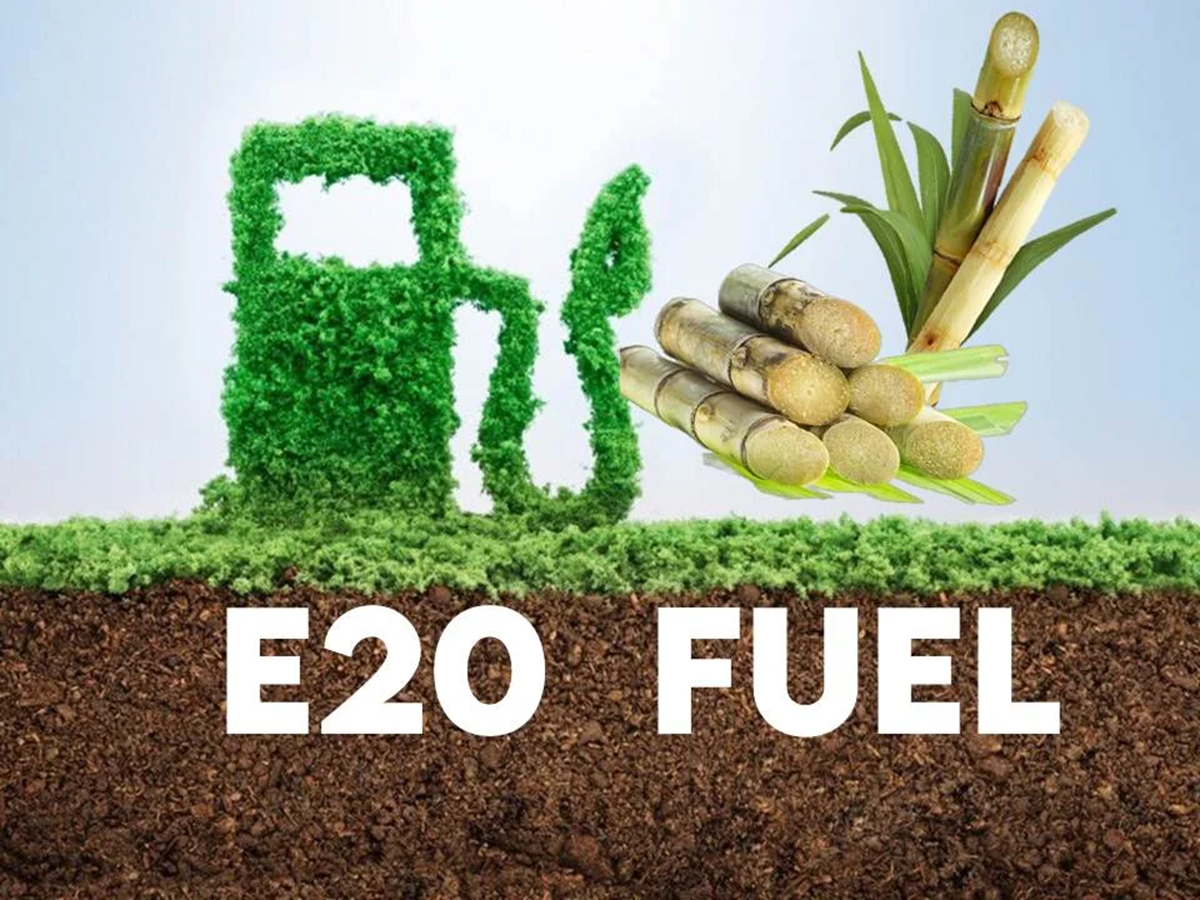
The new ethanol policy for E20 petrol prohibits production from sugarcane to maintain sugar availability. However, increased demand for corn could lead to higher prices for eggs and chicken.

Will your food become expensive due to fuel?
India's new policy of purchasing ethanol to meet the need for E20 petrol could also impact the prices of agriculture, animal feed, and food items. Because the impact of adding ethanol to petrol isn't limited to vehicle mileage or fuel costs, it also impacts the prices of agricultural and everyday commodities. In particular, the increased use of corn to produce ethanol could lead to higher prices for commodities like chicken and eggs.
This is why the government's new ethanol procurement rules are being seen as an attempt to strike a balance between energy needs and food inflation. Let's explore the impact this decision could have on your pocket and your plate.
What is the government's new ethanol policy?
Oil companies have invited bids to purchase approximately 1,100 crore liters of ethanol for the 2026-27 supply year. However, the new tender excludes ethanol produced from sugarcane juice, syrup, and B-heavy molasses. This decision is primarily aimed at preventing sugar diversion to ethanol production and controlling food inflation.
Why can making ethanol from corn be expensive?
The ban on some sugarcane-based ethanol options is expected to increase procurement costs for oil companies. Consequently, oil companies may have to rely more heavily on other alternatives, such as corn and C-heavy molasses, to meet their ethanol needs.
According to the data, the procurement price of corn-based ethanol is ₹68.86 per liter, while the price of ethanol produced from B-heavy molasses is ₹60.73 per liter. This means that corn-based ethanol is approximately 13.4% more expensive than ethanol produced from B-heavy molasses. This could increase costs for oil companies.
Can eggs and chicken become expensive?
The increased use of corn for ethanol production could impact the poultry industry's costs, as corn is a key component of chicken feed. The poultry industry consumes approximately 55-60% of the country's domestic corn.
If more corn is used to produce ethanol, the cost of animal feed could increase. This is likely to impact egg and chicken prices. However, the extent of the price increase will depend on corn availability and market conditions.