LIFESTYLE
There is a crisis of infertility amidst the growing population in India. Know the real reasons.
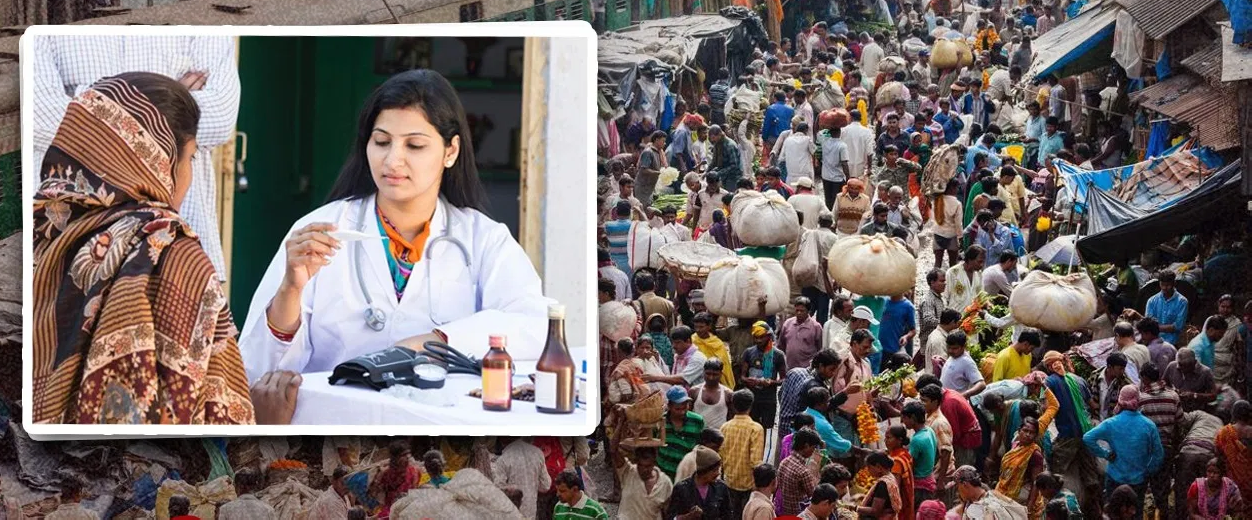
According to the 2025 report of UNFPA, changes are being seen in the number of children and the fertility rate in India. This can affect not only personal life but also the society and economy of the country. In such a situation, let us know what the reasons are for this.

India is currently the most populous country in the world, with a population of about 1.46 billion. According to the 2025 report of the United Nations Population Fund (UNFPA), this number will reach 1.7 billion in the next four decades and then gradually begin to decline. The report shows that India's Total Fertility Rate (TFR) has now come down to 1.9, which is below the replacement level of 2.1. This means that every generation is not able to completely replace itself. This situation may seem to control population growth, but the big issue hidden behind it is that people are not able to form a family as they wish. Especially in urban areas, economic pressure, changing lifestyles, and health challenges have increased the trend of postponing or abandoning the birth of children. This is the reason why the risk of infertility is increasing rapidly despite the increasing population.
There are many reasons for the decline in India's fertility rate. Families are still large in rural areas, but the situation is completely different in urban areas. Here, educated middle-class couples are reluctant to have children due to financial insecurity, job instability, and expensive houses. Apart from this, late marriage, constant work pressure, and taking the responsibility of becoming a parent at an older age are also big reasons. Lifestyle habits like stress, unhealthy eating, smoking, and alcohol consumption are having a bad effect on the fertility rate. At the same time, diseases like PCOS, thyroid, and hormonal imbalance are increasing rapidly in women, making the problem of conception more difficult. In this way, despite the increase in population, many people in society are facing difficulties in having the desired children.
Infertility and population problems
It is clear in the UNFPA report that the problem is not just population control, but the freedom to decide on having children. According to the survey, many people face unwanted pregnancies, while the same number of people are unable to have the children they want. The fertility rate in urban India has fallen from 1.6 to 1.7, which is a matter of serious concern. If this situation continues, India's population may fall to about 93 crores by the year 2100. This will not only affect the economic benefits of the population but will also impact the country's economy and society.
One of the reasons for infertility is that today's lifestyle has increased the pressure on the natural conception process. Late conception increases problems in women and decreases sperm quality in men. Apart from this, fertility treatments like IVF and IUI are not available to everyone due to their high cost. Therefore, this challenge has become not only a personal but also a major public health issue. If the right steps are not taken from now on, the population balance may get disturbed in the future, and serious problems may arise.
Solutions and suggestions
It is important to make fertility health services accessible and affordable to all.
It is necessary to give information to the youth about a healthy lifestyle and a good diet.
It may be beneficial to seek medical advice when considering late marriage or parenthood.
It is important to diagnose and treat PCOS, thyroid, and hormonal problems in women on time.
Society and government institutions should jointly take measures to increase fertility awareness.