LIFESTYLE
Teeth turning yellow even after brushing daily, know what the reason is behind this problem?
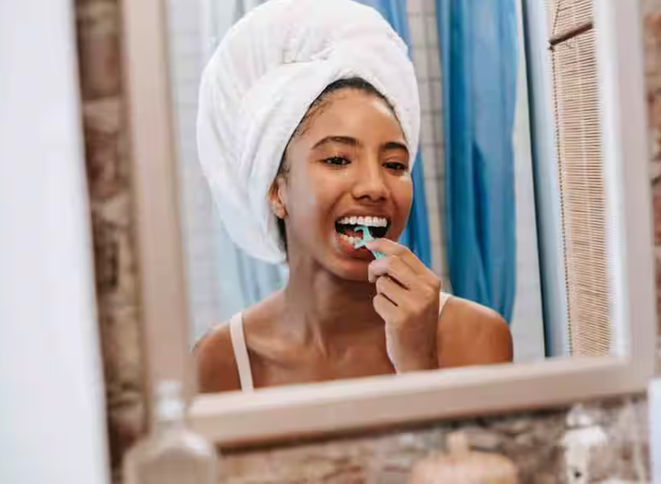
This question is very common, and it is important to know its answer. Often, people think that just brushing is enough to keep the teeth white, but in reality, the situation is a little more complicated than this.
Teeth turning yellow causes.
We all want our smiles to be attractive and confident. A smile with sparkling white teeth not only enhances beauty but also makes a positive impression on others. To achieve this, people make it a habit to brush, floss, and use mouthwash daily. Yet, many remain troubled by the question of why their teeth appear yellow or dull.
This question is very common, and it's important to know the answer. People often think that brushing alone is enough to keep their teeth white, but the situation is actually a bit more complicated. So, let's find out why your teeth are turning yellow even after brushing daily, and what's causing this problem.
Why are your teeth turning yellow even after brushing them daily?
Our teeth are made up of layers. The top layer, called enamel, is white and slightly translucent. The layer beneath it is dentin, which is naturally yellow. With age, or sometimes due to congenital defects, enamel thins, leaving more dentin exposed. This means that some people's teeth naturally appear slightly yellow, no matter how thoroughly they brush. Yellowing of teeth isn't always due to external factors; it can sometimes be caused by internal factors.
What is the reason for this problem
1. Poor brushing habits - Daily brushing is good, but proper form and regularity are just as important. Inadequate dental cleaning can lead to plaque buildup. Plaque gradually turns into tartar, which is difficult to remove with brushing alone. Professional dental cleanings are essential.
2. Food and drinks - Certain foods and drinks can stain teeth. Coffee, tea, red wine, dark sodas, and liquor can yellow teeth. Citrus fruits and acidic foods can weaken enamel, making yellow dentin more visible. Rinsing with salt water after eating can help reduce stains.
3. Smoking and tobacco - The tar and nicotine in tobacco and cigarettes leave permanent stains on teeth. Smoking not only yellows teeth but also increases the risk of gum disease.
4. Age and natural causes - As we age, the enamel of our teeth thins. Some people naturally have thinner enamel, making the yellow dentin more visible. This is not a disease, but a natural process.
5. Medications and health problems - Some antibiotics, iron supplements, or medical treatments like chemotherapy can affect tooth color. If medications are causing yellowing of teeth, it's important to consult a dentist.
6. Injuries and accidents - Injuries to teeth can change their intrinsic color, making them appear yellow or brown. Appropriate treatments like veneers or whitening can help.
How to make teeth white and shiny?
1. Professional cleaning - Getting a scaling and cleaning done by a dentist twice a year removes plaque and tartar. This helps reduce external stains.
2. Whitening Treatment – If the teeth are naturally yellow or stained, whitening under the guidance of a dentist is the most effective method.
3. Proper brushing and flossing - Brushing twice daily and flossing daily are essential. Use a soft toothbrush and a fluoride-containing toothpaste. Brushing too hard can wear down enamel, further exposing yellow dentin.
4. Lifestyle changes - Avoid dark-colored beverages and tobacco. Rinse mouth thoroughly after eating citrus fruits and acidic foods. Drink plenty of water and eat a balanced diet.
5. Cosmetic Treatments – If teeth are very yellow or enamel is weak, veneers, bonding, or other dental restoration options may be helpful.