LIFESTYLE
Tea Flavor Science: Does boiling tea for too long make it taste bitter? Understand the science of boiling.
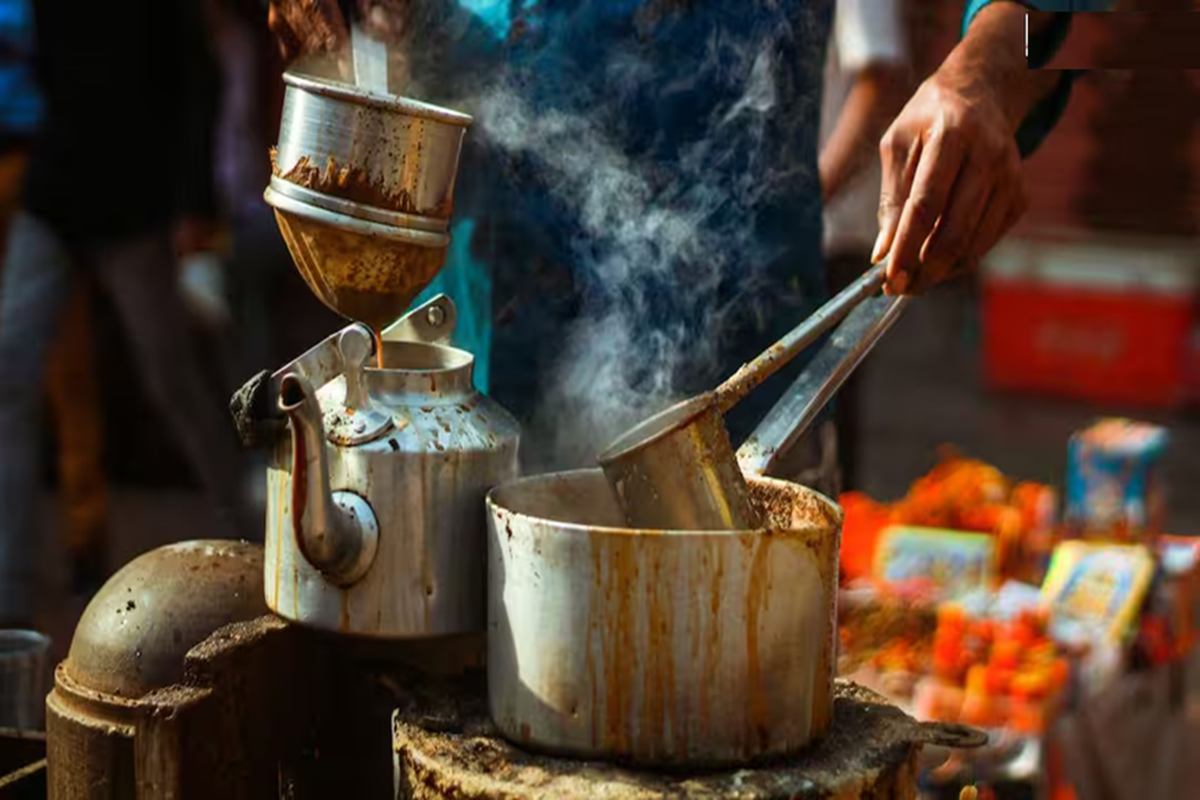
Does boiling tea for too long make it bitter?
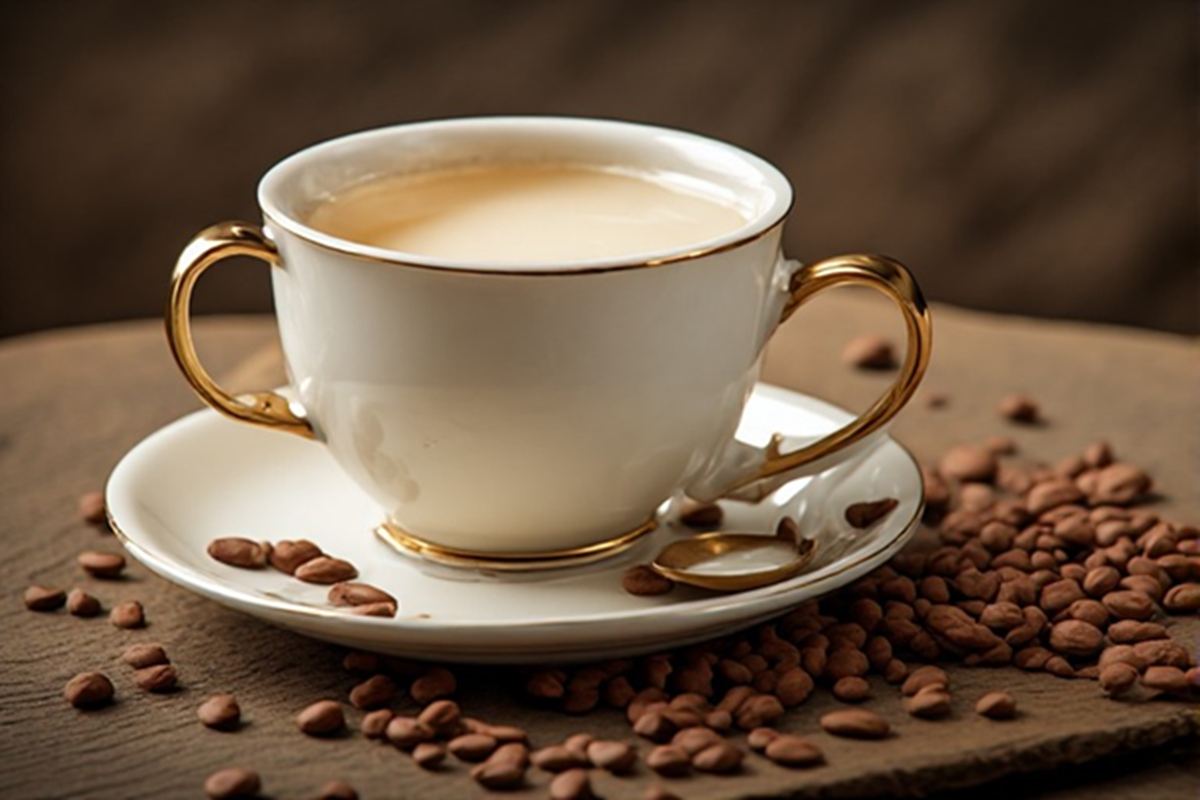
Does Overboiling Make Tea Taste Bitter: 'Then let's sit somewhere and drink tea together, then let's spend some evening moments together' ... These lines of Iman Qaisrani are not just lines, but they express the feelings of crores of Indians who consider tea as their love. International Tea Day is celebrated across the world on 21st May. In our country, tea is not just a drink, but is a part of people's daily habit and emotion. But a question often comes to people's mind that does boiling tea for a long time make it taste bitter? Experts say that the answer is both yes and no, because it completely depends on the way the tea is being made.
What is the technique of boiling tea?
In fact, the taste of tea depends not only on the tea leaves, but also on the water temperature, boiling time, and brewing technique. Tea leaves contain polyphenols, caffeine, and a variety of other natural compounds. When they are boiled in very hot water for a long time, these compounds are released more rapidly. This is why the tea tastes stronger and sometimes bitter.
Why does tea become bitter?
According to the tea information website orientaleaf, steeping tea excessively leads to over-extraction. This means that excessive elements are released from the tea leaves, reducing their natural sweetness and increasing their bitterness. This effect is particularly noticeable in milder teas like green tea and white tea.
What is the problem of boiling too much?
Strong teas like black tea and masala chai can be steeped a little longer to deepen their flavor. This is why Indian masala chai is made by steeping it with milk, sugar, and spices for a short time. However, experts agree that balance is essential, as steeping for too long can ruin both the aroma and taste.
What are the methods of making tea?
Tea experts explain that steeping and boiling are two different methods. Steeping involves steeping the tea leaves in hot water for a few minutes, preserving their mild, natural flavor. Boiling involves steeping the tea directly in boiling water, resulting in a more intense flavor. Interestingly, the taste of tea made from reboiled water can also change. According to experts, reboiling water reduces oxygen, making the tea taste bland and less fresh.
To ensure the best taste of tea, experts recommend using the right water, the right temperature, and the right steeping time. Green tea is best brewed at a lower temperature and for a shorter time, while black tea and masala chai can still taste good with a slightly longer steeping time.