
LIFESTYLE
Stubborn Stains on Clothes? Try These 4 Easy Laundry Tricks to Remove Ink, Oil, Coffee and Makeup Marks
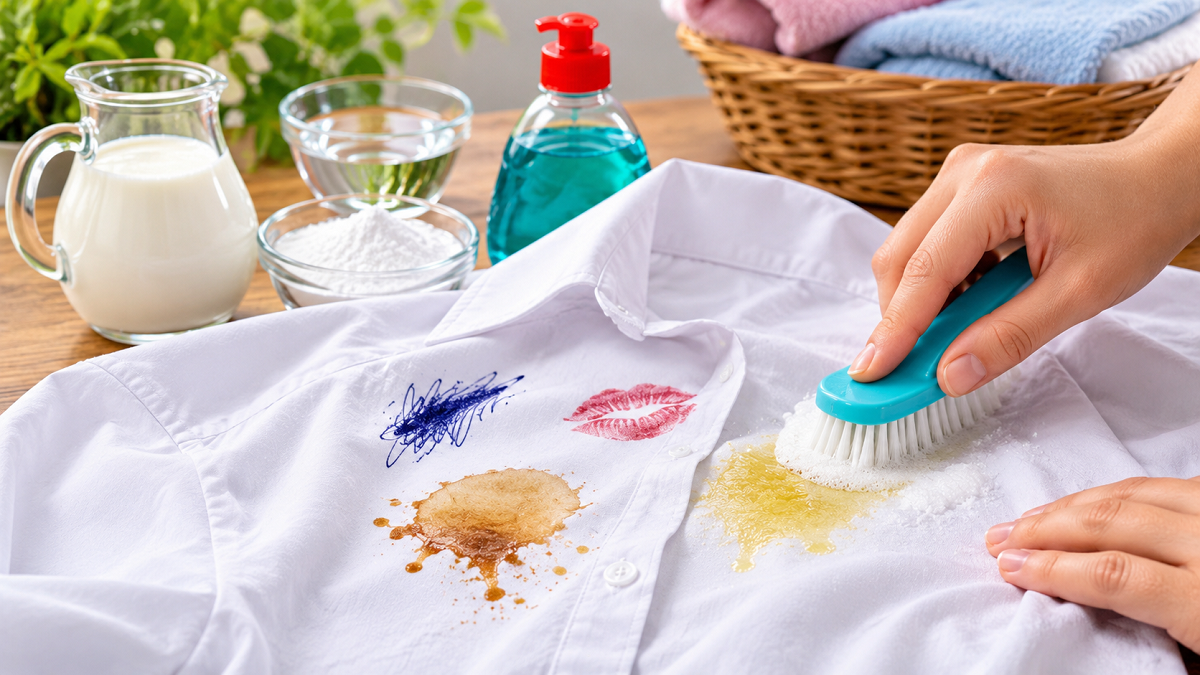
Clothes Cleaning Tips: Accidentally spilling coffee on your favourite shirt or getting cooking oil on a new outfit can be frustrating. Everyday activities often leave unwanted marks on clothes, whether from tea, food, pen ink, lipstick or other household products. While some stains disappear after a regular wash, others remain visible even after repeated cleaning.
Many people try to remove difficult stains by scrubbing them aggressively or using large amounts of detergent. However, these methods can sometimes spread the stain, damage delicate fibres or cause the fabric to lose its original colour.
The good news is that several common household products may help treat different types of stains when used correctly. Ingredients such as baking soda, milk, rubbing alcohol and dishwashing liquid can be useful in certain situations.
The most effective cleaning method depends on the type of stain, the fabric material and how quickly treatment begins. Here are four practical laundry tricks that may help restore the appearance of stained clothing without unnecessary damage.
1. Remove Pen Ink Stains From Clothes Using Milk
Ink marks are among the most frustrating stains, especially on school uniforms, office shirts and light-coloured garments. A leaking pen or accidental contact with wet ink can leave dark patches that ordinary washing may not remove completely.
One traditional household method involves soaking the affected fabric in milk. Although this technique does not work on every ink formulation, it may help loosen certain stains.
How to try this method:
- Pour a small amount of plain milk into a clean container.
- Place the ink-stained portion of the garment into the milk.
- Allow the affected area to soak for approximately 20–30 minutes.
- Gently blot the stain with a clean cloth instead of rubbing aggressively.
- Rinse the fabric thoroughly and wash it according to its care instructions.
For some ink types, a fabric-safe commercial stain remover or rubbing alcohol may be more effective than milk.
Always test any treatment on an inconspicuous section of the garment before applying it to a visible area.
2. Use Rubbing Alcohol Carefully to Treat Lipstick Stains
Lipstick stains can be particularly difficult to remove because many cosmetic products contain oils, waxes and colour pigments.
These ingredients can cling to fabric fibres, leaving noticeable marks on collars, sleeves and other areas.
Rubbing alcohol may help dissolve certain lipstick components, making the stain easier to remove.
Steps to clean lipstick marks:
- Carefully lift away any excess lipstick using a blunt edge without spreading it.
- Place a clean white cloth or absorbent paper underneath the stained section.
- Apply a small amount of rubbing alcohol to a cotton pad.
- Gently dab the affected area, working from the outside towards the centre.
- Blot with a clean cloth and repeat cautiously if needed.
- Rinse and wash the garment according to its care label.
Avoid vigorous rubbing, as it may push the pigment deeper into the fabric.
Alcohol can damage certain dyes and materials, including acetate and some delicate fabrics. Perform a colourfastness test first, ensure adequate ventilation and keep the product away from flames or heat sources.
3. Try Baking Soda for Tea and Coffee Stains
Tea and coffee are popular everyday beverages, but accidental spills can leave noticeable brown or yellowish marks on clothing.
These stains contain compounds that may bind to fabric fibres, especially when the liquid is allowed to dry.
Prompt treatment generally improves the chances of removing the stain.
Baking soda is one household ingredient sometimes used to treat fresh beverage marks.
How to use baking soda on stains:
- Blot excess liquid immediately using a clean cloth or paper towel.
- Rinse the stained area with cool water, preferably from the reverse side.
- Mix a small quantity of baking soda with water to prepare a soft paste.
- Apply the paste gently to the affected section.
- Leave it for a few minutes without allowing it to harden excessively.
- Rinse thoroughly and wash using a suitable laundry detergent.
For persistent tea or coffee stains, a fabric-compatible laundry stain remover may provide better results.
Baking soda can be mildly abrasive, so avoid aggressive scrubbing, particularly on delicate materials.
4. Remove Cooking Oil and Grease Marks With Dishwashing Liquid
Oil stains often appear after cooking, eating or handling greasy food.
Unlike water-based stains, oil does not dissolve easily in plain water. Instead, it can cling to fabric fibres and leave dark patches.
A small quantity of mild dishwashing liquid may help break down grease before the garment is washed.
Follow these cleaning steps:
- Remove any excess oil by gently blotting the fabric with an absorbent paper towel.
- Apply a small amount of clear, mild dishwashing liquid directly to the stain.
- Gently work the liquid into the affected area using your fingers.
- Allow it to remain for approximately 5–10 minutes.
- Rinse thoroughly with water at a temperature suitable for the fabric.
- Wash the garment using the recommended laundry detergent.
If the stain remains visible, repeat the treatment before drying the garment.
Dishwashing liquids are not suitable for every textile or washing machine, so use only a small amount for pretreatment and rinse thoroughly.
Important Precautions When Removing Stains at Home
Although household cleaning methods can be convenient, using them incorrectly may damage clothing.
Act quickly: Fresh stains are generally easier to treat than marks that have remained on fabric for several days.
Avoid harsh scrubbing: Excessive friction can weaken fibres, spread pigments and damage the surface of delicate materials.
Check the garment label: Always follow the manufacturer's washing instructions, especially for clothes marked dry-clean only.
Test cleaning products first: Apply a small amount to a hidden section and check for fading, discolouration or fabric damage.
Protect delicate materials: Silk, wool, embroidered garments and expensive fabrics may require professional cleaning rather than home remedies.
Avoid excessive heat: Do not iron or tumble-dry stained clothing until the mark has been removed. Heat can make some stains more difficult to eliminate.
Never mix cleaning chemicals: Combining household products, particularly bleach with ammonia or acidic cleaners, can release dangerous fumes.
Can Old Stains Be Removed From Clothes?
Older stains are often more challenging because the staining substances may have penetrated deeper into the fabric.
However, some marks can still be reduced through careful pretreatment and repeated washing.
The outcome depends on several factors, including the stain's chemical composition, the fabric type, previous washing methods and whether the garment has already been exposed to high heat.
For valuable or delicate clothing, professional cleaning may be the safest option.
Final Thoughts
Keeping clothes clean does not always require expensive products or complicated cleaning routines. Simple household items may help treat everyday stains when they are matched appropriately to the fabric and type of mark.
Milk is sometimes used for certain ink stains, rubbing alcohol may help with lipstick, baking soda can assist with some beverage marks, and mild dishwashing liquid can loosen cooking grease.
However, no single cleaning trick works on every stain. Checking fabric care labels, testing products beforehand and avoiding harsh scrubbing are essential steps for protecting garments.
With prompt attention and the right cleaning technique, many common clothing stains can be reduced or removed while helping your favourite outfits last longer.