
LIFESTYLE
5 Best Foods for Brain Health: Add These Nutrient-Rich Foods to Your Diet to Support Memory and Focus
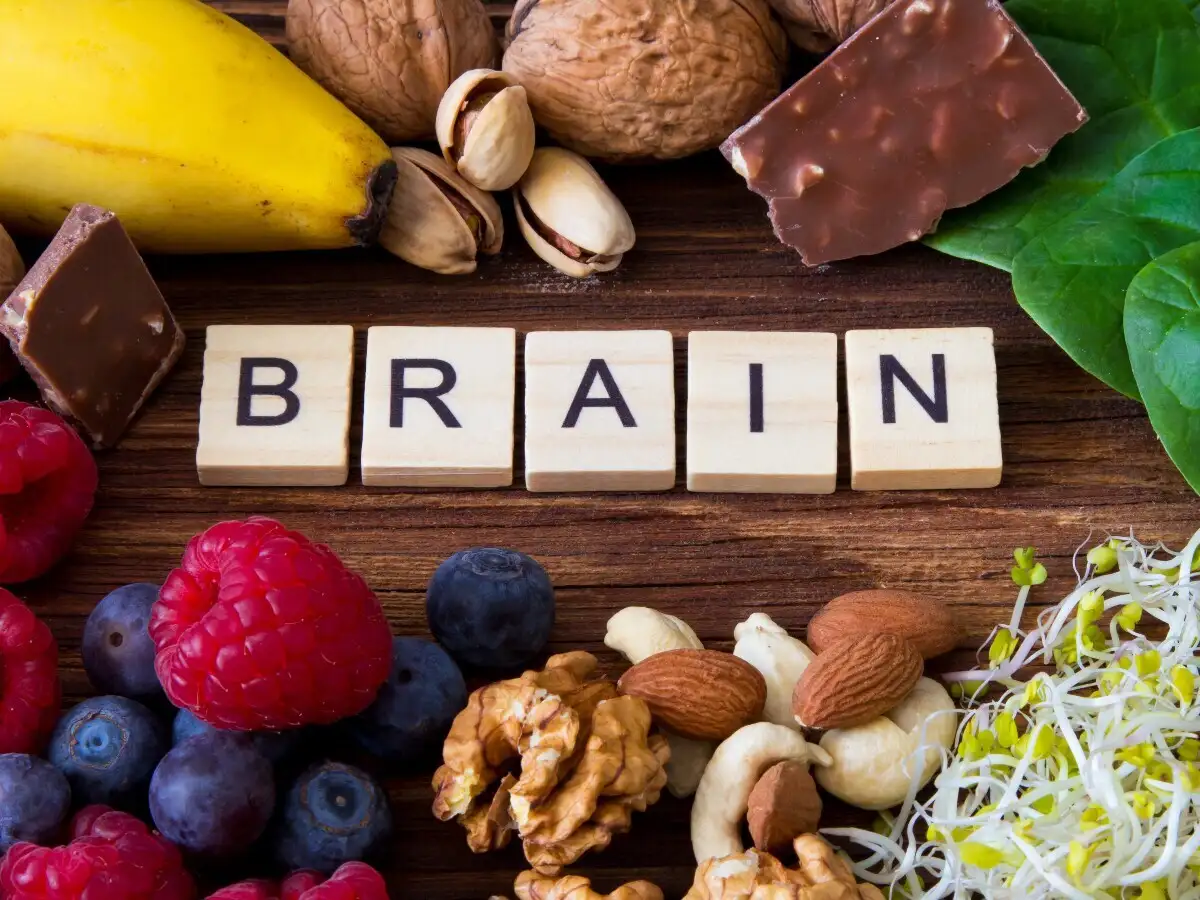
Brain Health Tips: Maintaining a healthy brain is essential for overall well-being, as it influences everything from memory and concentration to emotions, decision-making and physical coordination. While regular exercise, sufficient sleep and stress management contribute to cognitive health, the food you eat also plays an important role in supporting normal brain function.
The brain requires a steady supply of energy and essential nutrients to perform its complex daily activities. Vitamins, minerals, healthy fats and antioxidants all contribute to maintaining healthy nerve cells and supporting communication between different parts of the nervous system.
Although no single food can instantly improve memory or prevent age-related cognitive decline, a balanced diet containing nutrient-rich ingredients may help support long-term brain health.
Certain everyday foods, including walnuts, eggs, oily fish, pumpkin seeds and antioxidant-rich fruits, provide nutrients involved in normal cognitive functioning.
Here are five foods worth including in your regular diet and practical ways to enjoy them.
1. Walnuts: A Plant-Based Source of Omega-3 Fatty Acids
Walnuts are frequently included in discussions about brain-friendly nutrition because they contain beneficial unsaturated fats and antioxidant compounds.
One of their important nutrients is alpha-linolenic acid (ALA), a plant-based omega-3 fatty acid.
Omega-3 fats contribute to several essential functions in the body, including the maintenance of healthy cell membranes.
Walnuts also provide polyphenols and other compounds that may help protect cells against oxidative stress.
Oxidative stress occurs when harmful reactive molecules exceed the body's ability to neutralise them. Over time, excessive oxidative stress can contribute to cellular damage.
While research continues to examine whether regular walnut consumption directly improves memory, walnuts can be a nutritious addition to a balanced eating pattern.
How to include walnuts in your diet: Eat a small handful as a snack, add chopped walnuts to oatmeal or sprinkle them over yoghurt and fruit salads.
Choose plain, unsalted walnuts when possible, and remember that nuts are calorie-dense.
2. Eggs: Provide Choline for Normal Brain Function
Eggs are a convenient source of high-quality protein and several important vitamins and minerals.
One particularly valuable nutrient found in eggs is choline, which plays an essential role in nervous system function.
The body uses choline to produce acetylcholine, a neurotransmitter involved in memory, attention, muscle control and communication between nerve cells.
Choline also contributes to the structure of cell membranes and other important biological processes.
Egg yolks are among the better dietary sources of this nutrient.
However, eating more eggs does not necessarily translate into better memory or concentration. Their benefits depend on an individual's overall nutritional requirements and dietary habits.
How to include eggs in your diet: Enjoy boiled eggs at breakfast, prepare vegetable omelettes or add cooked eggs to salads and whole-grain meals.
People with specific medical conditions or dietary restrictions should follow personalised nutritional advice.
3. Fatty Fish: Supplies DHA and EPA Omega-3 Fats
Fatty fish such as salmon, sardines and mackerel provide two important omega-3 fatty acids: docosahexaenoic acid (DHA) and eicosapentaenoic acid (EPA).
DHA is a major structural component of brain cell membranes and plays an important role in maintaining normal nervous system function.
EPA is involved in several physiological processes, including those associated with inflammation regulation.
These nutrients are particularly important because the body converts plant-based omega-3 fatty acids into DHA and EPA only in limited amounts.
Research has explored possible links between fish consumption and cognitive health, although the findings do not establish that eating fish will prevent dementia or reverse memory loss.
How to include fatty fish in your diet: Prepare grilled fish, add cooked fish to salads or enjoy fish curry with vegetables and whole grains.
For individuals who do not eat fish, algae-derived DHA and EPA products may be an alternative, although supplementation should be discussed with a healthcare professional when appropriate.
4. Pumpkin Seeds: Rich in Minerals That Support Nerve Function
Pumpkin seeds are small but contain several nutrients essential for normal body functions.
They provide magnesium, zinc and copper, along with protein and healthy fats.
Magnesium contributes to normal nerve signalling and numerous biochemical reactions in the body.
Zinc is involved in cellular processes and supports normal nervous system functioning, while copper plays a role in enzymes associated with energy production and other essential activities.
Maintaining adequate levels of these minerals is important for overall health.
However, eating pumpkin seeds alone has not been shown to produce immediate improvements in intelligence or memory.
How to include pumpkin seeds in your diet: Sprinkle roasted, unsalted seeds over soups, salads or breakfast bowls. They can also be mixed into homemade trail mixes or eaten as a small snack.
Avoid consuming excessive quantities, as seeds are energy-dense and should be included as part of a varied diet.
5. Berries and Amla: Antioxidant-Rich Fruits for a Balanced Diet
Colourful fruits such as blueberries, strawberries and blackberries contain various plant compounds, including polyphenols.
Many berries contain anthocyanins, the natural pigments responsible for their red, blue or purple appearance.
These compounds have antioxidant properties and are being studied for their potential role in healthy ageing and cognitive function.
Amla, also known as Indian gooseberry, is another nutritious fruit. It is particularly known for its vitamin C content and contains several naturally occurring plant compounds.
Vitamin C contributes to normal antioxidant protection and supports various functions throughout the body.
Although antioxidant-rich fruits are valuable dietary choices, evidence does not support treating them as a cure for memory problems or neurological conditions.
How to include these fruits in your diet: Add fresh berries to yoghurt, porridge or smoothies. Amla can be consumed fresh, chopped into salads or included in homemade preparations with limited added sugar and salt.
What Other Habits Help Maintain Brain Health?
Nutrition is only one component of cognitive well-being. Several lifestyle practices can complement a healthy diet.
Regular physical activity supports cardiovascular health and helps maintain healthy blood circulation, including blood flow to the brain.
Getting sufficient sleep is also important because sleep contributes to learning, memory consolidation and emotional regulation.
Managing blood pressure, blood sugar and cholesterol levels can help reduce certain long-term health risks that may affect the brain.
Staying socially connected, participating in mentally stimulating activities and avoiding tobacco are additional ways to support overall well-being.
A dietary pattern rich in vegetables, fruits, whole grains, legumes, nuts and appropriate protein sources is generally more beneficial than focusing on a single so-called superfood.
Can Eating These Foods Prevent Memory Loss?
While the nutrients found in walnuts, eggs, fish, seeds and fruits support normal biological functions, it is important to distinguish nutritional benefits from medical treatment.
There is no convincing evidence that consuming any one of these foods guarantees protection against Alzheimer's disease, dementia or other neurological disorders.
Memory and cognitive performance are influenced by numerous factors, including age, genetics, sleep quality, medical conditions, physical activity and overall lifestyle.
People experiencing persistent memory difficulties, confusion or noticeable changes in concentration should seek medical evaluation rather than relying solely on dietary changes.
Final Thoughts
Supporting brain health does not necessarily require expensive supplements or complicated meal plans.
Everyday foods such as walnuts, eggs, fatty fish, pumpkin seeds, berries and amla can provide nutrients that contribute to normal nervous system function and overall health.
Walnuts offer plant-based omega-3 fats, eggs supply choline, fatty fish provide DHA and EPA, pumpkin seeds contribute essential minerals, and antioxidant-rich fruits add vitamins and beneficial plant compounds.
The most practical approach is to include a variety of these foods within a balanced diet while maintaining healthy sleep, exercise and stress-management habits.