As temperatures continue rising across North India, many cities are witnessing extreme heat conditions with temperatures crossing 47°C. In such scorching weather, air conditioners have become essential for comfort and safety. However, regular AC usage also leads to massive electricity bills, creating financial pressure for many households.
This is where solar-powered air conditioners are emerging as a smart and energy-efficient solution.
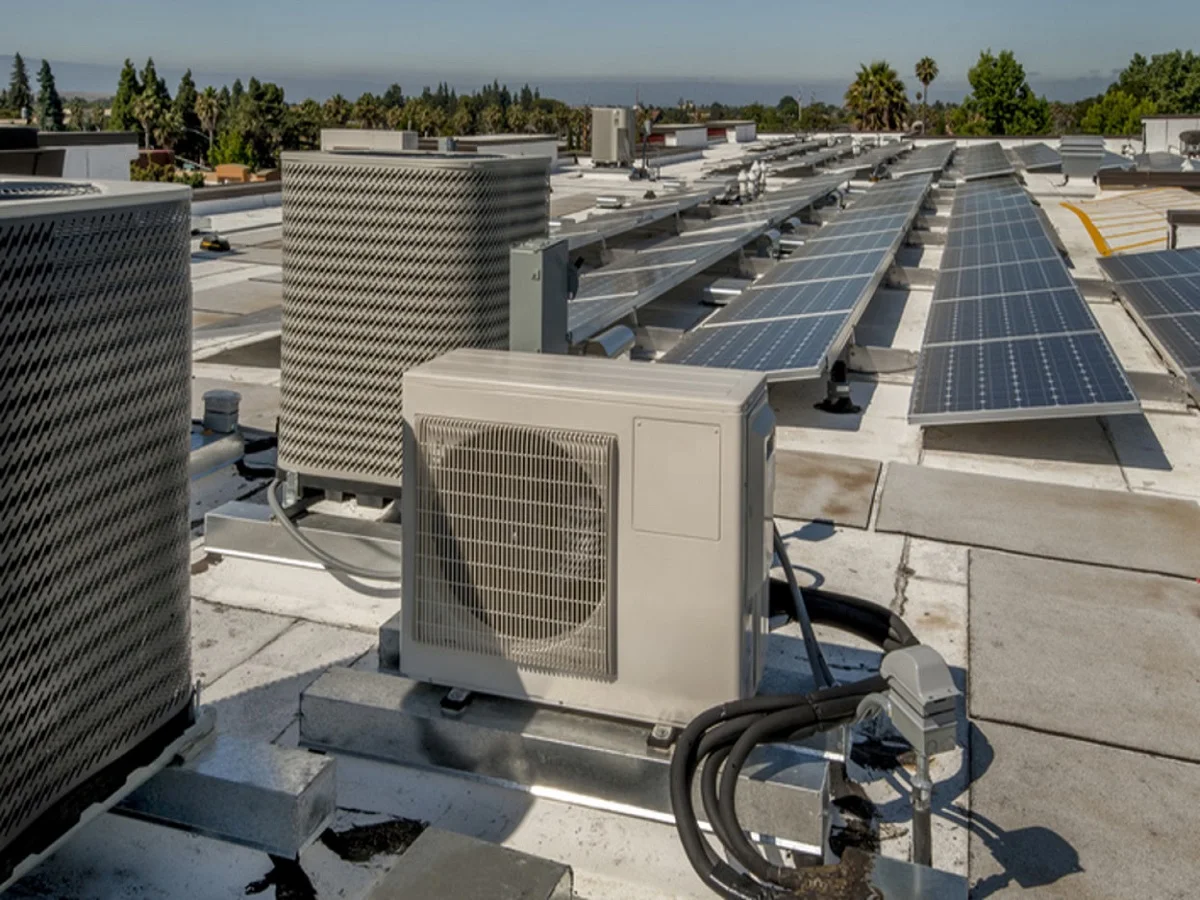
Solar AC systems use solar energy to operate cooling units, helping users reduce electricity consumption while also supporting environmentally friendly energy usage.
What Is a Solar AC?
A solar AC is an air conditioner that runs partially or fully on electricity generated through solar panels.
The system generally works in three stages:
- Solar panels installed on rooftops absorb sunlight
- The sunlight is converted into electricity
- That electricity powers the air conditioner
Most modern solar AC systems now come with:
- Inverter technology
- Smart energy optimization
- Hybrid power switching
- Energy-saving compressors
These systems perform especially well during daytime hours when sunlight is strongest.
Why Hybrid Solar ACs Are Becoming Popular
One of the fastest-growing categories in the market is the hybrid solar AC.
Unlike traditional solar-only systems, hybrid models can operate using:
- Solar energy during daytime
- Grid electricity during nighttime or low sunlight conditions
This automatic switching ensures uninterrupted cooling without depending entirely on traditional electricity.
Experts say hybrid solar ACs are becoming increasingly popular because they balance convenience, performance, and energy savings.
How Much Solar Setup Is Needed?
For a standard 1.5-ton solar AC, households generally require approximately:
- 4–5 kW solar panel setup
The exact requirement may vary depending on:
- AC efficiency
- Daily usage hours
- Sunlight availability
- Local weather conditions
Homes with higher cooling requirements may need larger solar installations.
Biggest Advantage: Lower Electricity Bills
The biggest reason people are shifting toward solar AC systems is long-term savings on electricity bills.
Since the air conditioner uses solar energy during peak daytime hours, dependence on grid electricity reduces significantly.
This can help households save thousands of rupees annually, especially during summer months when AC usage remains extremely high.
With electricity prices continuously increasing in many states, energy-saving appliances are becoming more attractive for middle-class families.
Solar AC Also Helps the Environment
Solar-powered cooling systems also reduce:
- Carbon emissions
- Dependence on fossil fuels
- Overall electricity demand pressure
Environmental experts believe wider adoption of solar appliances could help improve energy sustainability in the long run.
As India expands renewable energy infrastructure, solar cooling solutions are expected to become more common in residential and commercial spaces.
Is Solar AC Suitable for Every Home?
Although solar ACs offer multiple advantages, they may not be practical for every household.
Solar air conditioners are generally most suitable for:
- Homes with good rooftop space
- Houses receiving strong sunlight throughout the day
- Areas with frequent power cuts
- Families using AC heavily during daytime
However, smaller apartments or rented homes may face installation limitations because rooftop solar setups usually require permanent infrastructure.
Initial Cost Is Higher Than Regular ACs
One important factor users must consider is the higher upfront investment.
A complete solar AC setup may include:
- Solar panels
- Inverter system
- Batteries (optional)
- Installation equipment
- Wiring and mounting systems
This makes initial costs significantly higher compared to normal air conditioners.
However, experts say long-term electricity savings can gradually recover much of the investment over several years.
Things to Check Before Buying a Solar AC
Before investing in a solar-powered air conditioner, experts recommend evaluating:
- Rooftop space availability
- Sunlight exposure during the day
- Total installation cost
- Solar panel capacity requirement
- Battery backup needs
- Warranty coverage
- Maintenance requirements
Choosing the correct system size is extremely important for proper cooling performance and energy savings.
Solar Cooling Market Growing Rapidly
India’s solar appliance market is expanding quickly as consumers increasingly focus on:
- Energy efficiency
- Rising electricity costs
- Sustainable living
- Backup power solutions
Government support for rooftop solar adoption has also encouraged more homeowners to explore solar-powered devices.
Future of Air Conditioning Could Be Solar
With rising temperatures and increasing electricity demand, experts believe solar-powered cooling solutions may become much more common in the coming years.
As technology improves and solar equipment prices gradually fall, solar AC systems could eventually become a mainstream option for households looking to reduce both energy bills and environmental impact.