Business
Car Insurance Claim 2026: Avoid These 3 Mistakes During Vehicle Inspection After an Accident
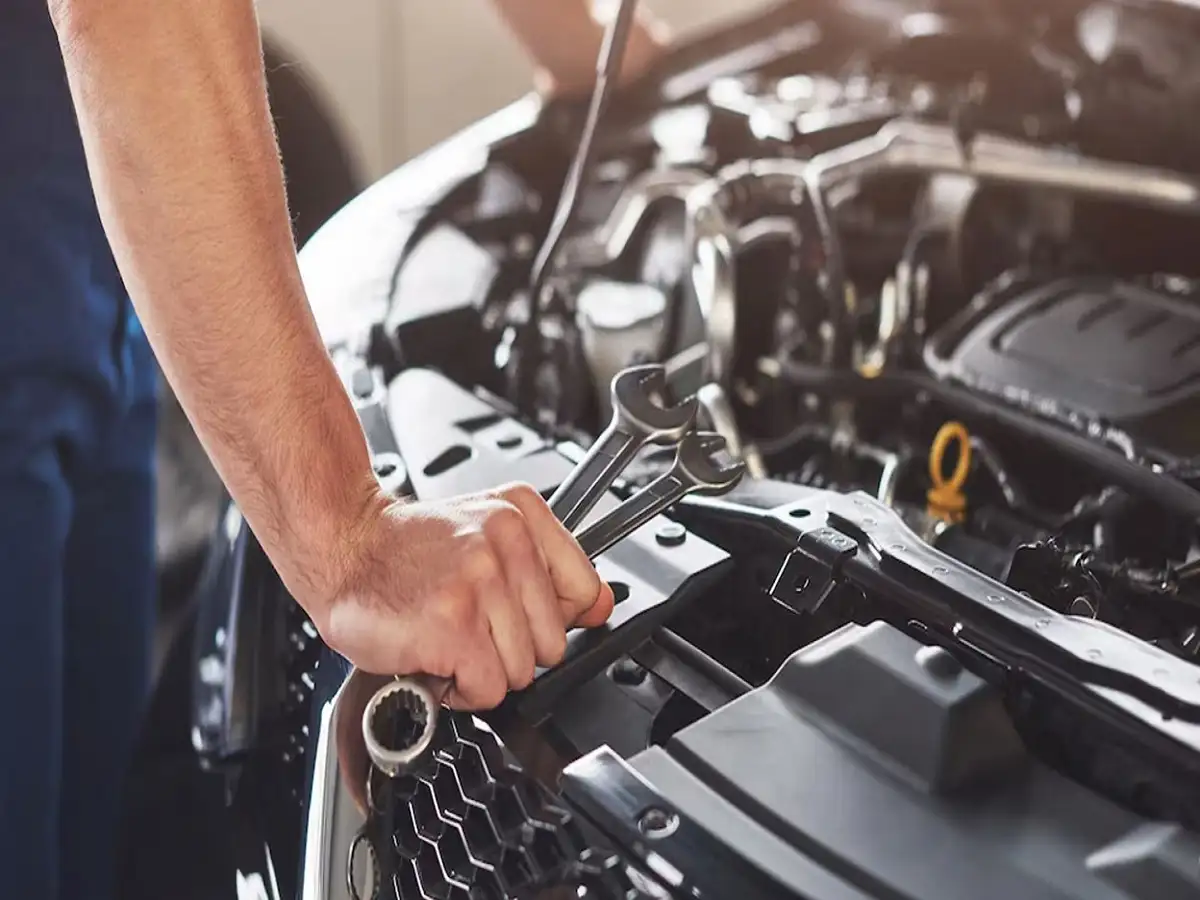
Car Insurance Claim Tips 2026: A road accident can be stressful, even when nobody is seriously injured. Apart from arranging vehicle repairs, car owners must also deal with insurance formalities, paperwork and damage assessment. While having a valid motor insurance policy can provide financial protection, mistakes during the claim process may create complications or delay settlement.
One important stage of a motor insurance claim is the vehicle inspection. Depending on the nature and value of the claim, the insurance company may appoint an authorised surveyor to examine the damaged car and assess the circumstances of the accident.
The surveyor reviews the condition of the vehicle, evaluates the reported damage and prepares an assessment for the insurer. However, the surveyor does not independently guarantee claim approval or decide every aspect of the final settlement.
To avoid unnecessary disputes, vehicle owners should understand what information to provide and what actions to avoid before the inspection.
Here are three common mistakes that can affect a car insurance claim.
1. Giving Incorrect Information About the Accident
One of the biggest mistakes a policyholder can make is providing inaccurate or misleading details about an accident.
When submitting an insurance claim, the vehicle owner may be asked to explain when, where and how the incident occurred.
These details help the insurance company understand the circumstances of the loss and determine whether the reported incident falls within the policy's coverage.
Some people may be tempted to exaggerate the damage or change the description of the accident in the hope of receiving a larger settlement.
However, deliberately providing false information can lead to serious complications.
Why Accurate Information Matters
An insurance surveyor may compare the reported accident details with the physical damage visible on the vehicle.
The insurer may also review photographs, repair estimates, relevant documents and other available evidence.
If the information provided is inconsistent, the company may seek clarification or conduct additional verification.
Deliberate misrepresentation or fraud can result in claim rejection and may have further consequences under applicable law.
For this reason, policyholders should provide a truthful and consistent account of the incident.
If certain details are unclear, it is better to explain the uncertainty rather than guess or invent information.
2. Including Old Dents and Scratches in a New Accident Claim
Another common problem arises when vehicle owners attempt to include pre-existing damage in a claim for a recent accident.
For example, a car may already have scratches on its rear bumper or a dent on one of its doors.
If a later accident damages the front of the vehicle, the policyholder should not present the older marks as damage caused by the new incident.
Insurance claims are assessed according to the actual loss arising from the insured event and the terms of the policy.
How Surveyors Identify Accident-Related Damage
During the inspection, the surveyor may examine the location, pattern and apparent condition of the damaged parts.
The assessment may also involve comparing the reported accident circumstances with photographs or other records.
If some damage appears unrelated to the incident, the insurer may exclude it from the payable claim amount.
Trying to combine old and new damage can therefore create unnecessary disputes.
Vehicle owners should clearly explain which parts were damaged during the latest accident.
If the car had earlier damage, disclose that information when relevant.
Maintaining photographs of the vehicle before and after an accident can also help establish its condition.
3. Repairing the Car Before the Insurance Inspection
Starting major repairs before the insurer has had an opportunity to inspect the vehicle is another mistake that may complicate a claim.
After an accident, many car owners want to get their vehicles repaired as quickly as possible.
However, replacing damaged parts or completing bodywork before the necessary assessment may make it difficult to establish the original extent of the loss.
This can affect the surveyor's ability to evaluate the repair requirements and the insurer's assessment of the claim.
What Should You Do Before Starting Repairs?
Inform the insurance company promptly after the accident.
Ask whether a surveyor inspection is required and whether the vehicle can be moved to an authorised or preferred garage.
Where inspection or approval is required, wait for the insurer's instructions before authorising major repairs.
If emergency action is necessary to prevent further damage or address a safety hazard, contact the insurer as soon as possible.
Take clear photographs and preserve supporting records before any unavoidable work is carried out.
Some insurers provide digital inspection or photo-based assessment facilities for eligible claims. The applicable procedure depends on the insurance company and policy terms.
Remember that inspection or repair authorisation does not necessarily mean that every repair cost will be reimbursed.
What Should You Do Immediately After a Car Accident?
The first priority after an accident should always be the safety of the people involved.
Check whether anyone requires medical assistance and contact emergency services when necessary.
If the vehicle is in a dangerous position, follow appropriate road safety precautions and seek assistance.
Once the immediate situation is under control, begin documenting the incident.
Photographs of the damaged vehicle, surrounding area and accident location can be useful for insurance purposes.
Where appropriate and safe, record relevant information about the other vehicles involved.
If the incident requires police reporting under applicable law or the policy conditions, complete that process promptly.
Do not delay necessary medical treatment or emergency assistance for the sake of collecting insurance evidence.
Documents Commonly Required for a Car Insurance Claim
Insurance companies may request different documents depending on the type of accident and claim.
The following records are commonly relevant:
| Document | Purpose |
|---|---|
| Insurance policy details | Helps identify the policy and coverage |
| Vehicle registration certificate | Establishes vehicle registration information |
| Valid driving licence | Helps verify the driver's licence details |
| Claim form or online claim submission | Provides the incident and claim information |
| Accident photographs | Supports the assessment of damage |
| Repair estimate and invoices | Helps evaluate repair expenses |
| Police report, where applicable | Supports claims requiring police documentation |
The exact requirements may differ according to the insurer, the nature of the accident and the policy conditions.
Policyholders should follow the instructions provided by their insurance company.
How Does the Insurance Surveyor Assess Vehicle Damage?
A surveyor's role is to examine the reported loss and prepare an assessment for the insurer.
During the process, the surveyor may inspect the vehicle's damaged parts, review repair estimates and consider whether the damage is consistent with the reported incident.
The assessment may also consider whether parts require repair or replacement.
The insurance company then evaluates the claim based on the survey report, policy coverage, deductibles, exclusions and other applicable terms.
This means the amount estimated by a garage may not always match the final amount payable by the insurer.
For example, some policies may require the policyholder to pay a compulsory deductible.
Depreciation on certain replacement parts may also apply unless the policy includes relevant additional coverage, such as an eligible zero-depreciation add-on.
Therefore, car owners should review their policy terms before assuming that the entire repair bill will be covered.
Cashless vs Reimbursement Claims: What Is the Difference?
Car insurance claims are commonly processed through cashless or reimbursement arrangements.
In a cashless claim, the vehicle is generally repaired at an eligible network garage, and the insurer settles the approved portion of the bill directly with the garage.
The policyholder may still need to pay deductibles, excluded expenses and other non-payable charges.
In a reimbursement claim, the policyholder pays the repair expenses and later submits the required documents to the insurer for assessment and reimbursement.
The amount reimbursed depends on the applicable policy terms and approved claim value.
Neither arrangement guarantees full payment of every repair expense.
How to Reduce the Risk of Claim Delays
A smooth claim process depends on accurate reporting, timely communication and proper documentation.
Policyholders should notify their insurer within the timeline specified in their policy or as soon as reasonably possible.
Keep copies of the claim acknowledgement, photographs, repair estimates, invoices and relevant communications.
Respond promptly if the insurer requests additional information.
Avoid signing blank documents or accepting explanations about claim deductions without understanding them.
If there is disagreement over the settlement, request a written explanation from the insurer.
Unresolved complaints can be escalated through the insurer's grievance process and, where applicable, the relevant insurance grievance mechanisms.
What Happens If Your Car Insurance Claim Is Rejected?
A rejected claim does not necessarily mean that the policyholder has no further options.
The first step is to obtain the insurer's written explanation for the decision.
Review the relevant policy provisions and check whether any documents or facts require clarification.
If you believe the claim was incorrectly assessed, submit a formal grievance with supporting evidence.
Further escalation options may be available through the applicable regulatory grievance system or Insurance Ombudsman, subject to eligibility and procedural requirements.
Official information about insurance regulation and policyholder protection is available through the Insurance Regulatory and Development Authority of India at https://irdai.gov.in.
Conclusion
Filing a car insurance claim after an accident requires more than submitting a repair estimate.
The information provided during the survey and inspection process can play an important role in determining how the claim is assessed.
Vehicle owners should avoid three major mistakes: giving false accident details, including pre-existing damage in a new claim and starting major repairs before completing the required inspection or obtaining appropriate instructions.
By reporting the incident promptly, preserving evidence and cooperating with the authorised surveyor, policyholders can reduce the risk of avoidable delays and disputes.
Disclaimer: Motor insurance coverage, inspection requirements, claim procedures and settlement amounts depend on the policy wording, insurer's rules and applicable law. This article provides general consumer guidance and does not guarantee claim approval.