Even in the era of instant messaging apps like WhatsApp and Telegram, SMS continues to play an important role in daily communication. From banks and online shopping platforms to telecom operators and government agencies, millions of text messages are sent every day.
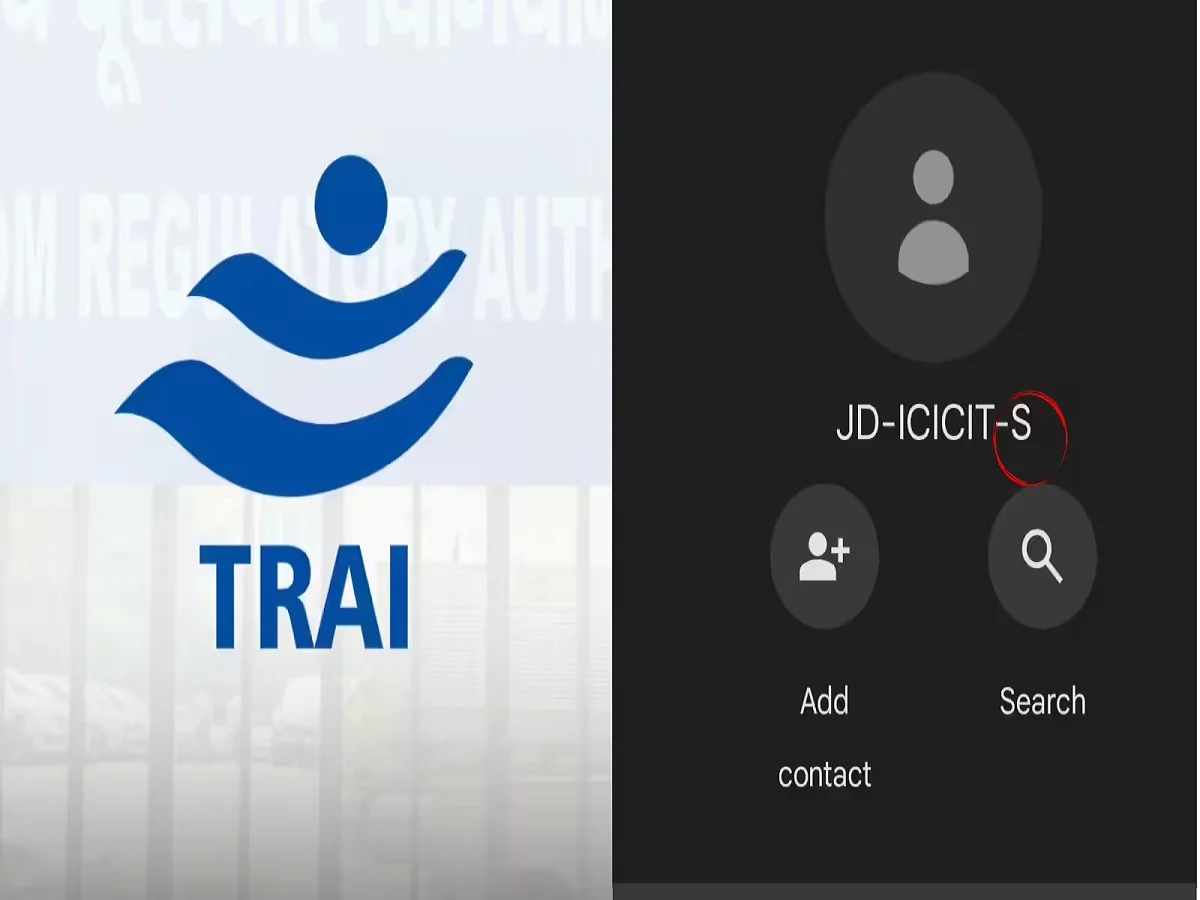
If you have ever noticed a single letter such as G, T, S, or P appearing at the beginning of an SMS sender ID, it is not just a random character. These message codes help identify the purpose of the SMS and the type of organization that has sent it. Understanding these codes can help you quickly determine whether a message is important, informational, or promotional.
What Are SMS Message Codes?
SMS message codes are category identifiers assigned to different types of text messages. They allow recipients to recognize the nature of a message before reading it in detail.
Knowing what each code stands for can also help users stay alert against spam, phishing attempts, and fraudulent messages.
G Code: Government Messages
Messages that begin with the letter G are generally sent by government departments or authorized public agencies.
These SMS notifications often contain official announcements, public service updates, emergency alerts, policy information, or other important communications intended for citizens.
Since these messages are linked to official services, they are usually considered high-priority notifications.
T Code: Transactional Messages
The letter T represents Transactional Messages.
These are commonly sent by banks, financial institutions, payment platforms, and other organizations that need to deliver critical account-related information.
Examples include:
- One-Time Passwords (OTPs)
- Banking transaction alerts
- Account login notifications
- Payment confirmations
- Security verification messages
Transactional SMS messages are generally triggered by a user's action and are designed to provide essential information rather than advertisements.
S Code: Service Messages
An SMS beginning with S indicates a Service Message.
These messages are sent by companies to provide updates related to products or services that customers are already using.
Typical service messages include:
- Order status updates
- Delivery notifications
- Subscription reminders
- Account activity alerts
- Customer support information
Telecom providers, e-commerce platforms, food delivery apps, and other service-based businesses frequently use this category to keep customers informed.
P Code: Promotional Messages
The P code stands for Promotional Messages.
These messages are primarily marketing communications sent by businesses to advertise products, services, discounts, seasonal offers, or special campaigns.
Common examples include:
- Festival sale announcements
- Discount coupons
- Cashback offers
- New product launches
- Limited-time promotional deals
Unlike transactional or service messages, promotional SMS messages are intended for advertising and customer engagement.
Why Understanding These Codes Matters
Recognizing SMS category codes offers several practical benefits.
First, it allows users to quickly identify whether a message requires immediate attention or is simply a marketing communication.
Second, it becomes easier to spot suspicious messages that may not match their claimed purpose. If a message appears unusual or asks for sensitive information despite using a familiar-looking sender ID, users should verify its authenticity before taking any action.
Understanding these categories also helps reduce the risk of phishing scams, fake payment alerts, and other forms of digital fraud that often rely on misleading text messages.
Finally, knowing the meaning of these SMS codes improves digital awareness and helps users make informed decisions while managing daily communications.
Stay Alert Before Responding to Any SMS
Although message category codes provide useful information, users should still exercise caution before clicking on links or sharing personal details through SMS.
Always verify messages claiming to be from banks, government agencies, or service providers by checking official websites or contacting customer support directly. Being aware of SMS message codes is a simple yet effective step toward safer digital communication and better protection against online scams.