LIFESTYLE
Sleep Banking: If there is a wedding or any work at home, then prepare a sleep bank; it will remain absolutely fresh.
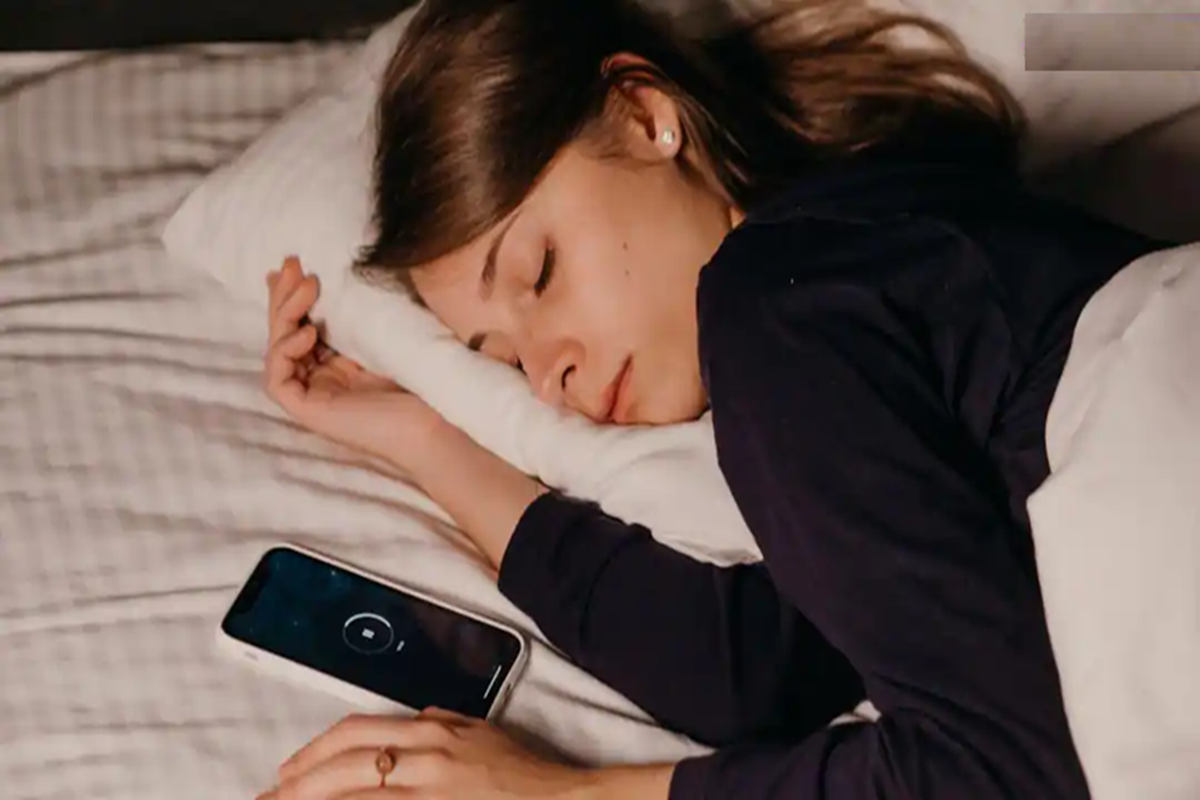
Cognitive Performance: Sleep banking means preparing your body by getting extra sleep for a few days in case you are likely to have less sleep in the coming days.

How to stay fresh if there is a wedding at home?
What Is Sleep Banking And How Does It Work: Whether it's a wedding, preparing for a long trip, or a major project at work, such occasions often rob people of their sleep. Amid the hustle and bustle of work and busy schedules, getting enough sleep becomes difficult, which impacts both body and mind. But health experts say that adopting a simple strategy before such situations can help keep yourself more energetic and refreshed. This is called sleep banking.
What is the meaning of sleep banking?
Sleep banking means preparing your body for a future day by getting extra sleep for a few days in case you expect to be short on sleep. Simply put, it's like saving money for a time of need, and so, you try to accumulate sleep for your body. Experts believe this method can help temporarily mitigate the effects of sleep deprivation.
Does this method really work?
A study published in the Journal of Clinical Sleep Medicine analyzed the effects of sleep banking. The study included 23 internal medicine resident doctors who were going to work night shifts. Researchers found that participants who got more sleep before their night shifts performed better. According to the study, if a person sleeps more than their normal sleep each night before a night shift or a busy schedule, and gets more than 8 hours of sleep daily during the week, their work performance may improve.
Research also shows that sleep banking can help the body better cope with stress. People who get adequate sleep have been shown to have better decision-making, memory, and concentration. Furthermore, good sleep strengthens the immune system, which can reduce the risk of disease.
What problems does lack of sleep cause?
Experts say that chronic sleep deprivation isn't just about fatigue. It can increase the risk of type 2 diabetes, weight gain, heart disease, stroke, and mental health problems. This is why getting enough sleep is considered a vital part of a healthy lifestyle. According to the US Centers for Disease Control and Prevention, one in three adults doesn't get the recommended 7 to 9 hours of sleep per night.