LIFESTYLE
Blue Bruises on Body: No injury yet blue marks are visible on the body, is this a sign of any disease?

Diabetes and Bruising: Blue or purple marks suddenly appear on the body, and the person may not even remember any injuries. People often ignore this, thinking it's normal.
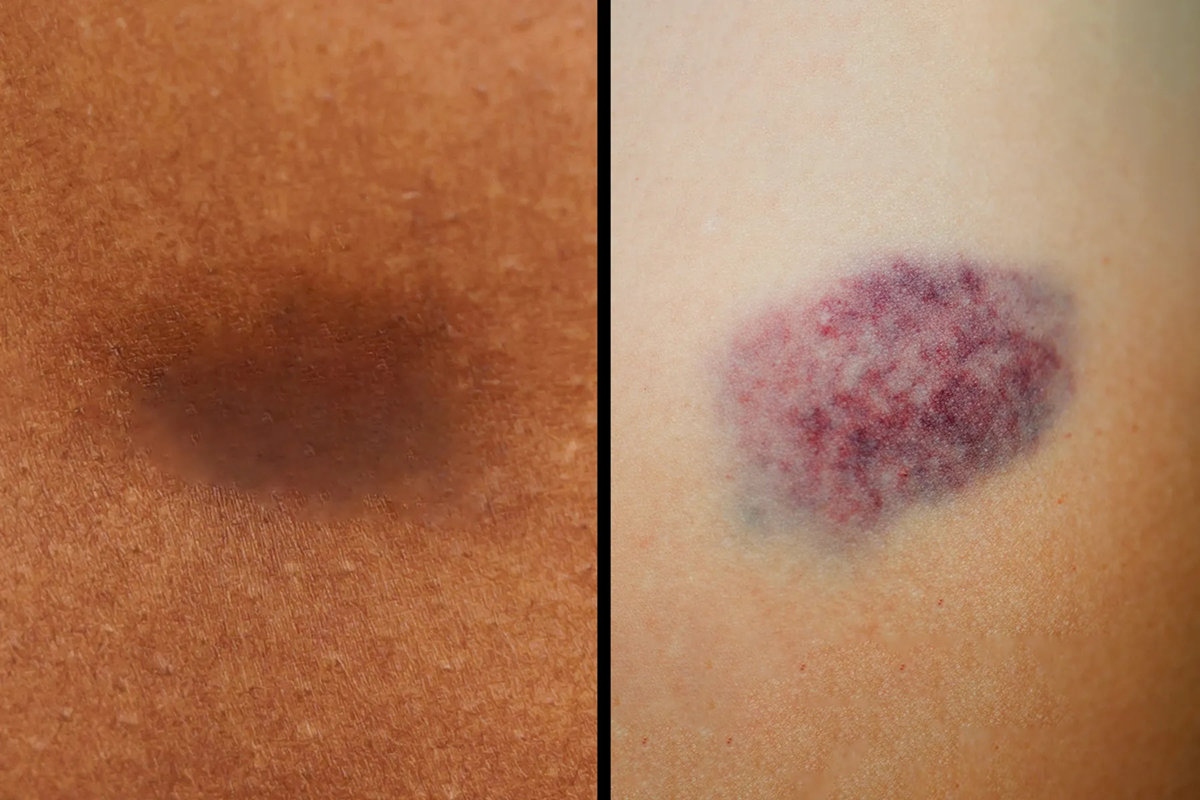
Why do blue marks appear on the body without any injury?
Causes of Random Bruises on the Body: Sometimes, blue or purple marks suddenly appear on the body, and the person doesn't even remember any injuries. People often ignore this, thinking it's normal, but in some cases, it can be a sign of an internal problem. Therefore, it's not wise to take repeated, unexplained bruises lightly. Let us explain.
Why do marks appear?
According to a report by the health information website healthline, experts say that sometimes excessive physical exertion or heavy exercise can affect the small blood vessels beneath the skin. Excessive pressure on the muscles can rupture these vessels and cause blood to pool beneath the skin, resulting in bluish marks. In such cases, the person may not feel the injury, but the marks may be visible.
Medication can also be the cause
Certain medications can also cause this. Blood thinners, especially those like aspirin, ibuprofen, and naproxen, can cause blood to clot more quickly. When blood doesn't clot at the normal rate, it leaks under the skin and bruises easily form. If this problem begins after taking a new medication, it's important to consult a doctor.
Indication of deficiency of essential nutrients
A deficiency in certain essential nutrients can also exacerbate this problem. A vitamin C deficiency can weaken the skin and blood vessels, causing marks even with minor pressure. Iron deficiency affects blood vessels, and a vitamin K deficiency can slow blood clotting. Therefore, recurring blue marks without any reason could be a sign of a nutritional deficiency.
They are also responsible
Additionally, rare conditions like immune thrombocytopenia cause a decrease in platelet counts. Platelets play a crucial role in blood clotting. A deficiency can cause sudden blue or purple spots on the skin. In some cases, recurring blue spots can be a sign of a serious medical condition, such as non-Hodgkin's lymphoma or other blood-related problems. Although this is rare, if it's accompanied by symptoms like extreme fatigue, weight loss, or frequent bleeding, it's important to get tested.
When should one see a doctor?
If you repeatedly notice blue marks on your body without any apparent injury, if the marks are constantly increasing in size, if you experience frequent nosebleeds, or if the bleeding doesn't stop easily, you should immediately consult a doctor. Timely checkups can help detect serious illnesses early, and prompt treatment can be initiated.