LIFESTYLE
Do fruits lose their nutrients when kept in the refrigerator? For how many days is it right to store them?
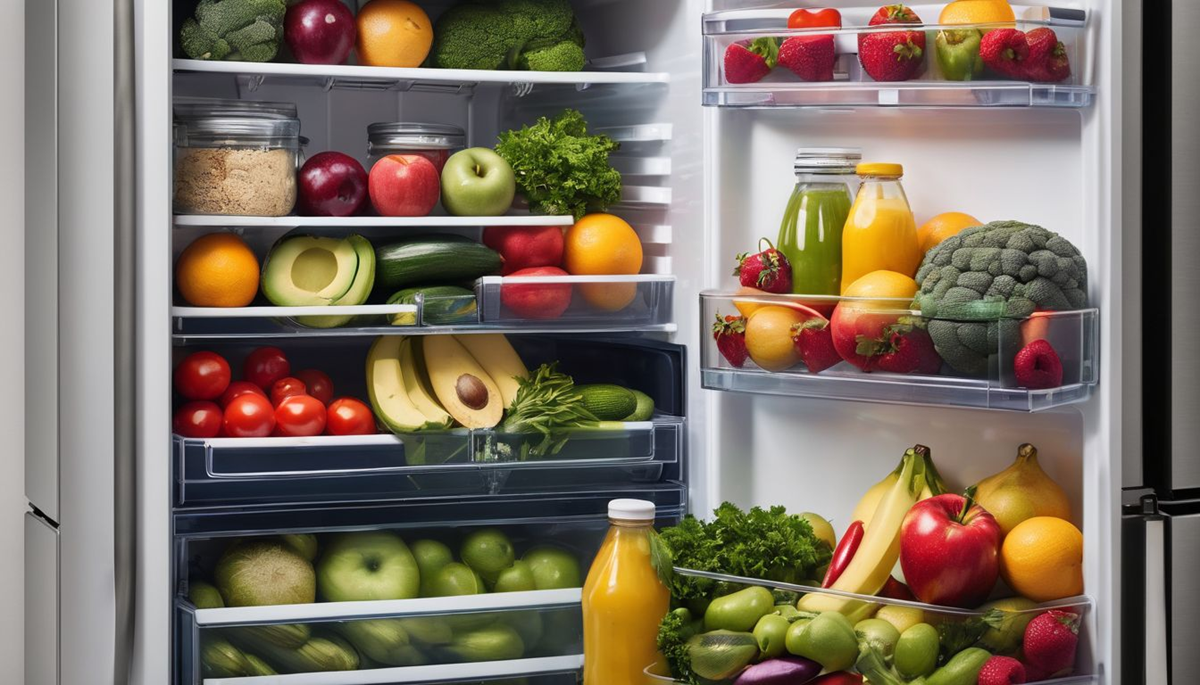
Water-soluble nutrients like Vitamin C and B present in fruits spoil the fastest because they gradually start decreasing due to exposure to air, heat and light.
Keeping fruit in the fridge
Whether it's summer or winter, most households buy fruits and put them directly in the refrigerator to keep them fresh and enjoy them chilled. But many people wonder if refrigeration reduces the nutrients in fruits, such as vitamins and minerals. This is a common misconception. Health experts say that refrigeration doesn't destroy fruit's nutrients; rather, storing them at the right temperature preserves them for a longer period. The truth is that the greatest loss of nutrients in fruits occurs when cooked, cut, or kept outdoors for extended periods, not simply by refrigeration.
What are the reasons for the reduction of nutrients?
Water-soluble nutrients like vitamins C and B present in fruits spoil the fastest because they gradually degrade when exposed to air, heat, and light. Whenever a fruit is cut, it is exposed to air, triggering the process of oxidation. This is why a cut apple or banana begins to brown after some time, and during this time, nutrients like vitamin C also begin to degrade. Conversely, if whole fruits are properly refrigerated, the cold temperature prevents these nutrients from breaking down, keeping them fresh and healthy for longer. Therefore, it would not be correct to say that the refrigerator destroys nutrients; rather, if used correctly, the refrigerator helps preserve them.
Which fruit should be stored for how many days?
Storage times vary for different fruits, so it's important to have accurate information specific to each fruit. Fruits like apples, oranges, and guavas are firm and can be easily stored in the refrigerator for about one to two weeks. Fruits like grapes, pears, and peaches are best consumed within three to five days of refrigeration. Fruits like bananas and mangoes should be avoided in the refrigerator, as they can spoil quickly in cold temperatures; it's best to store them at room temperature. If whole fruits like watermelon, cantaloupe, and papaya are cut and stored in the refrigerator, they should be consumed within 24 hours, as cut fruits spoil more quickly and are more prone to bacterial growth.