Business
Silver Price Today: Rates Ease on MCX; Check Latest Prices in Delhi, Mumbai, Chennai and Other Cities
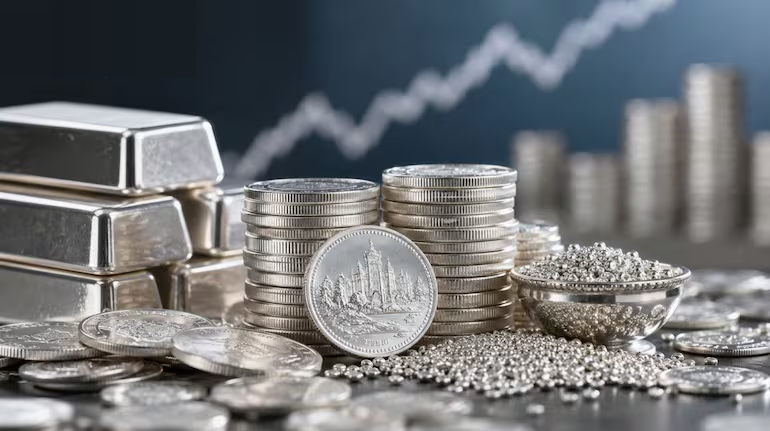
Silver prices recorded a modest decline on September 8, 2026, as the precious metal continued to experience volatility in both domestic and international markets. The early movement on the Multi Commodity Exchange indicated mild weakness, while retail prices remained close to ₹2.50 lakh per kilogram in several Indian cities.
Before the market opened, the quoted silver futures price on MCX slipped by ₹20 to ₹2,38,996 per kilogram. This represented a decline of approximately 0.01% from the previous session’s closing level of ₹2,39,016 per kilogram.
The small drop may appear insignificant, but frequent changes in silver prices remain important for investors, jewellery buyers and businesses that use the metal for industrial purposes. Those planning to buy or sell silver should check the latest local and exchange-based rates because prices can change during the trading session.
Silver Prices Across Major Indian Cities
Retail silver prices were reported near ₹2.50 lakh per kilogram in most of the cities listed below. Chennai remained comparatively more expensive, with the metal priced at ₹2.55 lakh per kilogram.
| City | Silver Price per Kilogram |
|---|---|
| Delhi | ₹2,50,000 |
| Mumbai | ₹2,50,000 |
| Kolkata | ₹2,50,000 |
| Chennai | ₹2,55,000 |
| Patna | ₹2,50,000 |
| Lucknow | ₹2,50,000 |
| Meerut | ₹2,50,000 |
| Ayodhya | ₹2,50,000 |
| Kanpur | ₹2,50,000 |
| Aligarh | ₹2,50,000 |
The amount charged by a jeweller may differ from the prices shown in the table. Local taxes, dealer margins, transportation costs and the form of silver being purchased can influence the final payable price.
Why Different Sources Show Different Silver Rates
Silver prices may vary depending on whether the rate refers to futures trading, the wholesale bullion market, the local retail market or an international benchmark.
According to the available market figures, one bullion-rate source placed silver at ₹2,38,680 per kilogram. In Delhi’s physical bullion market, the price was reported at ₹2,40,500 per kilogram after including applicable taxes. Another retail-market estimate showed a rate of ₹2,50,000 per kilogram.
These differences do not necessarily indicate an error. Each quotation may represent a different market, time of collection, delivery period or pricing method. MCX futures, for example, are exchange-traded contracts for settlement or delivery at a later date, while a retail quotation reflects the amount a customer may pay in the physical market.
What Happened in the Previous Trading Session?
Silver remained unchanged at ₹2,40,500 per kilogram in the Delhi bullion market for the second consecutive trading session. International spot silver, however, weakened by around 1% to approximately $65.64 per ounce.
The international price was subsequently quoted at $67.08 per ounce by another market source. Such differences may occur because global precious-metal prices move continuously and quotations may be captured at different times.
Currency movements also matter for Indian buyers. Since international silver is priced in US dollars, changes in the rupee-dollar exchange rate can influence domestic prices even when the overseas rate shows limited movement.
Silver Futures Face Selling Pressure
A separate MCX contract for December delivery declined by ₹975 to ₹2,36,683 per kilogram. Market participants reportedly reduced their positions amid softer demand in the physical market, contributing to the fall in futures prices.
Silver also moved lower in New York, where it was reported at $65.79 per ounce after a decline of 0.63%. Analysts attributed the weakness to selling by traders and subdued immediate demand.
Futures prices can be more volatile than retail rates because they respond quickly to global developments, investor positioning, currency movements and expectations about future supply and demand.
What Determines the Price of Silver?
Unlike gold, silver has substantial industrial demand in addition to its use in jewellery, utensils and investment products. The metal is used in electronics, solar-energy equipment, electric vehicles and several manufacturing applications.
This dual role means silver prices can react to both investment sentiment and changes in industrial activity. Strong manufacturing demand may support prices, while weaker economic expectations can reduce buying interest.
Other influential factors include US interest-rate expectations, inflation data, movements in the dollar, mining output and demand for precious metals as a store of value. Supply disruptions or higher demand from the renewable-energy sector can also affect the longer-term outlook.
What Buyers Should Check Before Purchasing Silver
Consumers should first identify whether they are purchasing jewellery, utensils, coins or bars. The final price of jewellery and decorative products generally includes making charges, which can take the total cost above the quoted market rate.
Buyers should also examine the item’s purity and hallmarking details. A proper invoice should clearly mention the weight, purity, rate, applicable taxes and additional charges.
For investment purchases, comparing the buyback terms offered by different sellers can be useful. The resale value may depend on purity, market conditions and the dealer’s deduction policy.
Silver prices can change several times during the day. Buyers should therefore confirm the live rate with a reliable local jeweller or authorised dealer immediately before completing a transaction.
Disclaimer: The prices mentioned in this article are indicative and may vary by location, seller and time. Precious-metal investments are exposed to market risk. Readers should consult a qualified financial adviser before making an investment decision.