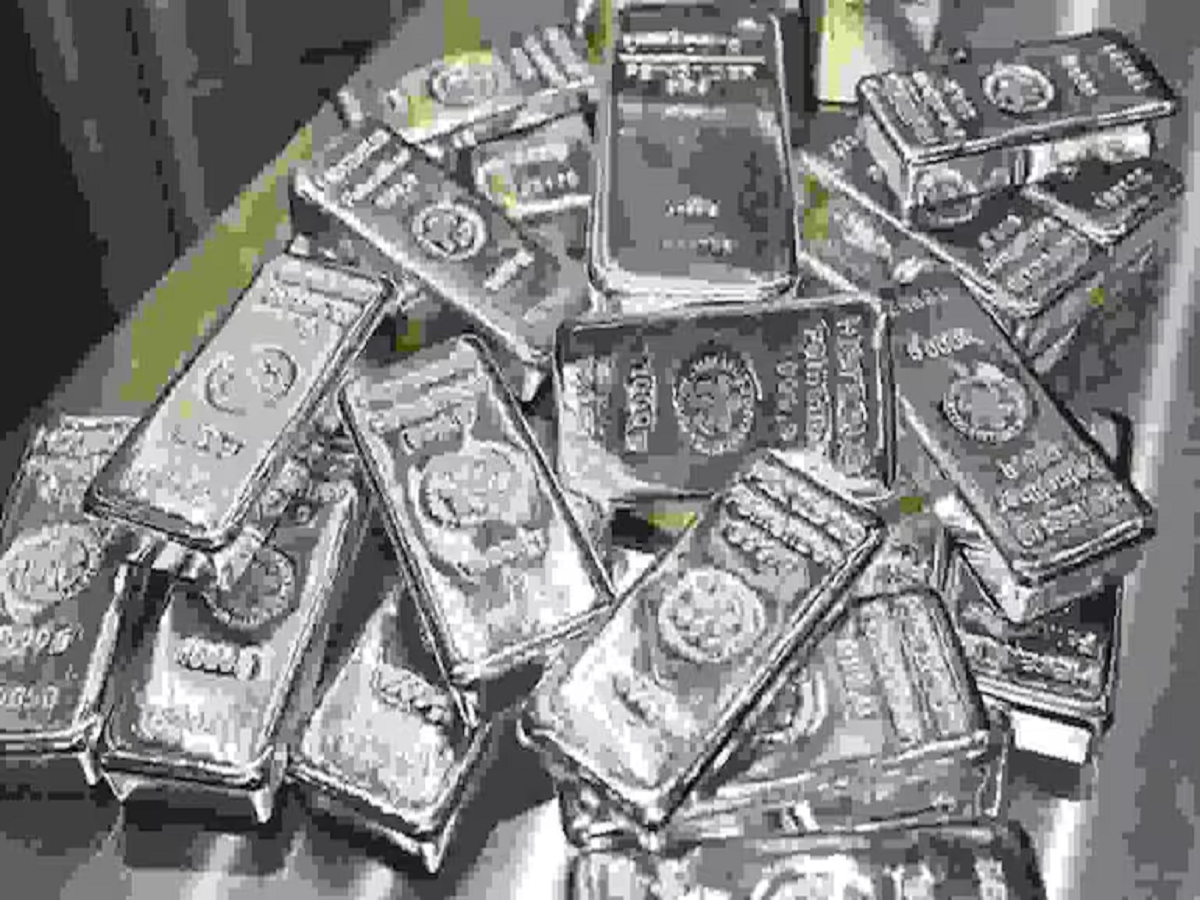
Silver prices have declined in both domestic and international markets, with analysts closely watching the US dollar, Federal Reserve policy, and geopolitical developments for the next major move.
Silver prices witnessed a sharp correction on Friday, extending losses in both the domestic and global markets. While the metal has fallen significantly over the past few sessions, market experts believe the next few weeks will be crucial in determining whether the decline continues or prices begin to stabilize.
The recent weakness comes amid a stronger US dollar, rising crude oil prices, and growing uncertainty over future US interest rate decisions.
Silver Prices Fall in Domestic and Global Markets
On the Multi Commodity Exchange (MCX):
- September silver futures fell by ₹1,258, or around 0.58%, to approximately ₹2,14,755 per kilogram.
- Trading activity remained active as investors adjusted positions following global market cues.
In the international market:
- COMEX silver traded around $55.83 per troy ounce, down roughly 0.63%.
- Domestic silver prices also dropped by nearly ₹5,000 per kilogram compared to the previous day's levels.
Why Is Silver Under Pressure?
Analysts attribute the recent decline to a combination of global factors:
- A stronger US dollar.
- Weakness in global technology stocks.
- Expectations of higher US interest rates.
- Profit booking after recent gains.
- Uncertainty in global commodity markets.
Since silver is both a precious metal and an industrial commodity, it is more sensitive to changes in manufacturing demand and economic growth than gold.
Strong Dollar Continues to Weigh on Prices
The US Dollar Index has strengthened, making precious metals more expensive for international buyers using other currencies.
A stronger dollar typically reduces overseas demand for silver and gold, placing downward pressure on prices.
US Federal Reserve Policy Remains in Focus
Market participants continue to assess comments from US Federal Reserve officials regarding inflation and interest rates.
If inflation remains elevated and the Fed maintains a tighter monetary policy, higher interest rates could reduce investor demand for non-yielding assets such as silver and gold.
As a result, upcoming economic data and Fed policy signals are expected to play a key role in determining bullion prices.
Middle East Tensions Add Market Volatility
Geopolitical developments continue to influence commodity markets.
Rising tensions in the Middle East have:
- Increased crude oil prices.
- Raised concerns about global inflation.
- Created uncertainty across financial markets.
Although geopolitical risks often support safe-haven assets, expectations of tighter monetary policy have offset some of that positive sentiment for precious metals.
What Do Market Experts Say?
According to commodity market analysts, the next 10–12 days could be important for silver prices.
Some experts believe:
- The $53–54 per ounce range may act as an important support zone.
- Immediate aggressive selling may not be advisable if prices hold above key technical levels.
- Investors looking for long-term accumulation may consider waiting for greater price stability before making fresh purchases.
Technical levels should be used alongside broader economic indicators rather than in isolation.
Factors Investors Should Watch
Silver prices are likely to remain influenced by:
- US Federal Reserve policy decisions.
- Inflation data.
- Movements in the US Dollar Index.
- Crude oil prices.
- Global industrial demand.
- Geopolitical developments in the Middle East.
Outlook
Silver remains under short-term pressure, but analysts believe future price movements will largely depend on global macroeconomic developments rather than a single factor. Investors should monitor economic data, central bank decisions, and international market trends before making investment decisions.
Disclaimer: Commodity prices are highly volatile and subject to market risks. This article is for informational purposes only and should not be considered investment advice. Always consult a qualified financial advisor before investing in precious metals.