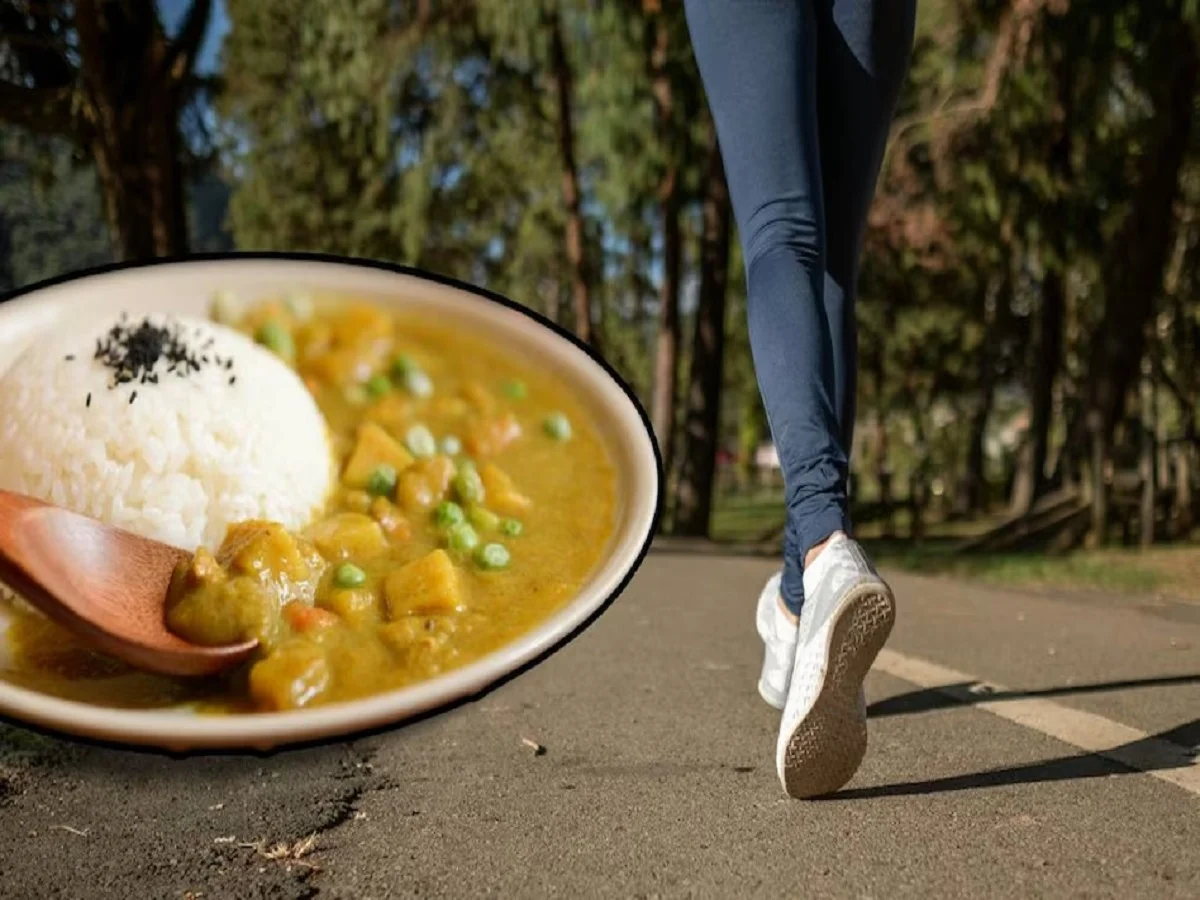
Many people have heard the advice that taking a walk after eating is good for digestion and overall health. While this habit can offer several benefits, the timing and intensity of your walk play an important role.
Health experts generally suggest that a short, gentle walk after a meal may support digestion and help regulate blood sugar levels. However, walking too fast or engaging in vigorous exercise immediately after eating may cause discomfort and interfere with the body's natural digestive process.
Here's what you should know before heading out for a post-meal walk.
Why Intense Exercise Right After Eating Is Not Recommended
After you eat, your body directs more blood flow to the digestive system to help break down food and absorb nutrients efficiently.
If you begin running, brisk walking, or performing high-intensity exercise immediately after a meal, your muscles also demand increased blood flow. This may compete with the digestive process and can leave some people feeling uncomfortable.
For this reason, experts generally recommend avoiding strenuous physical activity immediately after eating, particularly after a large meal.
Fast Walking May Cause Digestive Discomfort
Not everyone experiences digestive problems after exercising, but some people may develop symptoms if they become physically active too soon after a meal.
Possible discomfort may include:
- Bloating
- Stomach cramps
- Gas
- Abdominal pain
- A feeling of heaviness
- Nausea in some cases
The likelihood of these symptoms may depend on the size of the meal, the type of food consumed, and an individual's digestive health.
Avoid Heavy Workouts Immediately After Meals
Activities such as running, intense gym workouts, heavy weightlifting, or high-impact sports are generally better performed after allowing enough time for digestion.
Giving your body time to process the meal before engaging in vigorous exercise can help reduce digestive discomfort and improve workout performance.
The waiting time may vary depending on the size of the meal, but larger meals usually require more time to digest than light snacks.
A Gentle Walk Is Often the Best Choice
Instead of vigorous exercise, many health professionals recommend taking a slow and relaxed walk about 10 to 15 minutes after finishing a meal.
A light walk can help keep the body active without placing excessive stress on the digestive system.
Walking at a comfortable pace also makes it easier to establish a healthy daily routine that most people can maintain over the long term.
Walking After Meals May Help Support Blood Sugar Management
Research suggests that light physical activity after eating may help the body use glucose more efficiently.
A short walk following a meal may reduce post-meal blood sugar spikes, particularly when combined with a balanced diet and regular exercise. Because of this, post-meal walking is often recommended as part of a healthy lifestyle for maintaining metabolic health.
However, people with diabetes or other medical conditions should follow the guidance of their healthcare provider regarding exercise and blood sugar management.
Listen to Your Body
Every person's body responds differently to food and physical activity.
If you experience dizziness, stomach pain, nausea, excessive fatigue, or any unusual discomfort while walking after a meal, it is best to stop, rest, and allow your body to recover before becoming active again.
Choosing a pace that feels comfortable is more important than trying to walk quickly.
Tips for a Healthy Post-Meal Walk
To make the most of this habit, consider the following:
- Wait about 10–15 minutes after eating before starting your walk.
- Walk at a slow to moderate pace instead of rushing.
- Avoid running or high-intensity exercise immediately after meals.
- Stay hydrated throughout the day.
- Wear comfortable footwear if walking outdoors.
- Increase the duration gradually if you're new to regular walking.
The Bottom Line
Walking after meals can be a healthy habit when done correctly. A gentle stroll may support digestion, encourage regular physical activity, and help the body manage blood sugar more effectively.
However, intense exercise immediately after eating may cause digestive discomfort for some individuals. The key is to choose the right timing, maintain a relaxed pace, and pay attention to how your body feels.
As with any lifestyle habit, combining regular walking with a balanced diet, adequate sleep, and routine physical activity offers the greatest long-term health benefits. If you have digestive disorders or underlying medical conditions, consult a healthcare professional before making significant changes to your exercise routine.