LIFESTYLE
Friday Remedies for Wealth: 5 Traditional Items Many Devotees Keep in Their Locker After Lakshmi Puja
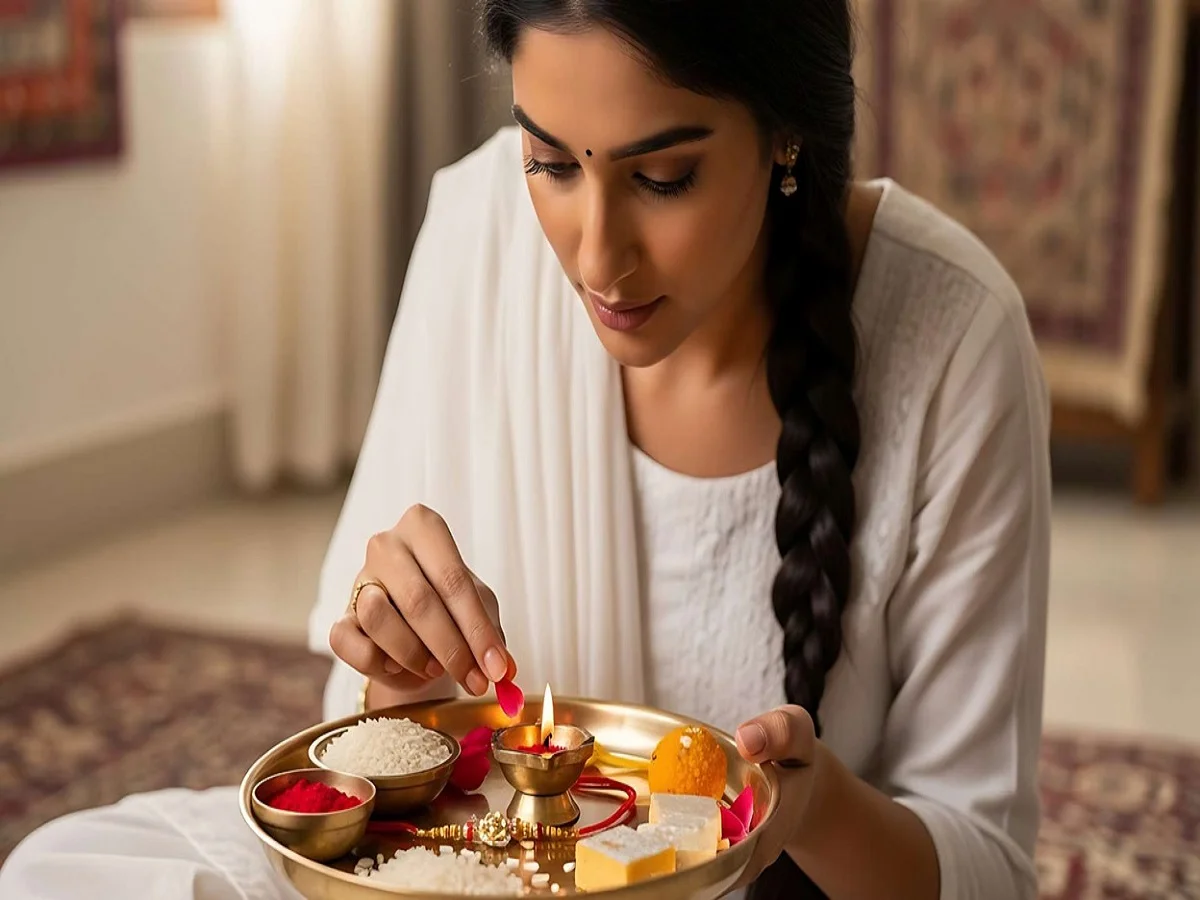
Friday is considered an auspicious day in Hindu tradition as it is dedicated to Goddess Lakshmi, the deity associated with wealth, prosperity, and good fortune. Many devotees observe fasts, perform special prayers, and follow traditional rituals on this day with the belief that sincere worship may invite blessings for financial stability, peace, and household prosperity.
Among these customs is the practice of placing certain items in a home locker, cash box, or safe after offering them during Lakshmi Puja. According to traditional beliefs and Vastu-inspired practices, these sacred objects are believed to symbolize abundance and positive energy.
It is important to note that these practices are rooted in religious faith and cultural traditions. They are not scientifically proven methods of increasing wealth.
Here are five items that many devotees traditionally keep in their locker after Friday prayers.
1. Coconut (Shrifal)
The coconut, often referred to as Shrifal, holds a special place in Hindu rituals and is considered a symbol of purity and auspiciousness.
Many devotees offer a coconut to Goddess Lakshmi during Friday worship. Some traditions place particular importance on the Ekakshi Coconut, which is regarded as especially auspicious.
After the puja, the coconut is often wrapped in a clean red cloth and placed inside the household locker or cash box as a symbolic prayer for continued prosperity and financial well-being.
2. Cowrie Shells
Cowrie shells have long been associated with Goddess Lakshmi in Hindu traditions.
A common ritual involves offering seven cowrie shells during Lakshmi Puja while chanting prayers or Lakshmi mantras. After the worship, the shells are placed in the home safe or locker.
According to traditional beliefs, cowrie shells symbolize wealth, financial stability, and the attraction of positive energy into the household.
3. Tulsi Flowers (Tulsi Manjari)
Tulsi, or holy basil, is regarded as a sacred plant in Hinduism and is closely associated with Lord Vishnu.
Many devotees offer Tulsi Manjari (flower clusters of the Tulsi plant) to Lord Vishnu and Goddess Lakshmi during Friday worship.
After the ritual, the Tulsi flowers are sometimes wrapped in a red cloth and placed inside the locker as a symbolic gesture for uninterrupted income and relief from financial difficulties.
4. Silver Coin
A silver coin featuring the image of Goddess Lakshmi, Lord Ganesha, or other sacred symbols is commonly used during Lakshmi Puja.
After completing the worship, many families place the blessed coin in their locker, cash box, or place of business.
According to traditional beliefs, the coin represents wealth preservation, prosperity, and the hope for continuous financial growth.
5. Whole Turmeric Root
Turmeric has been considered a symbol of purity, good fortune, and prosperity in Hindu rituals for centuries.
A whole turmeric root wrapped in a yellow cloth is often placed in the household locker after Friday prayers.
Many devotees believe this practice symbolizes the blessings of Goddess Lakshmi and serves as a reminder of abundance, positivity, and financial well-being.
Why These Rituals Are Followed
These customs have been passed down through generations and remain popular in many households across India.
People perform these rituals with faith, believing they may help:
- Pray for financial stability.
- Seek blessings for business growth.
- Invite prosperity into the home.
- Preserve accumulated wealth.
- Promote positive spiritual energy.
While these practices hold deep religious significance for many families, financial security also depends on practical factors such as responsible saving, disciplined investing, careful budgeting, and informed financial planning.
Faith and Financial Planning Can Go Together
For many devotees, Friday worship is both a spiritual practice and an expression of gratitude. Placing sacred items in the home locker after Lakshmi Puja is a traditional ritual rooted in faith and cultural heritage.
Those who observe these customs often combine them with responsible financial habits, believing that spiritual devotion and wise money management together contribute to long-term prosperity and stability.