ASTROLOGY
Sarva Pitru Amavasya 2026: Important Rituals to Follow and Mistakes to Avoid During Ancestor Worship
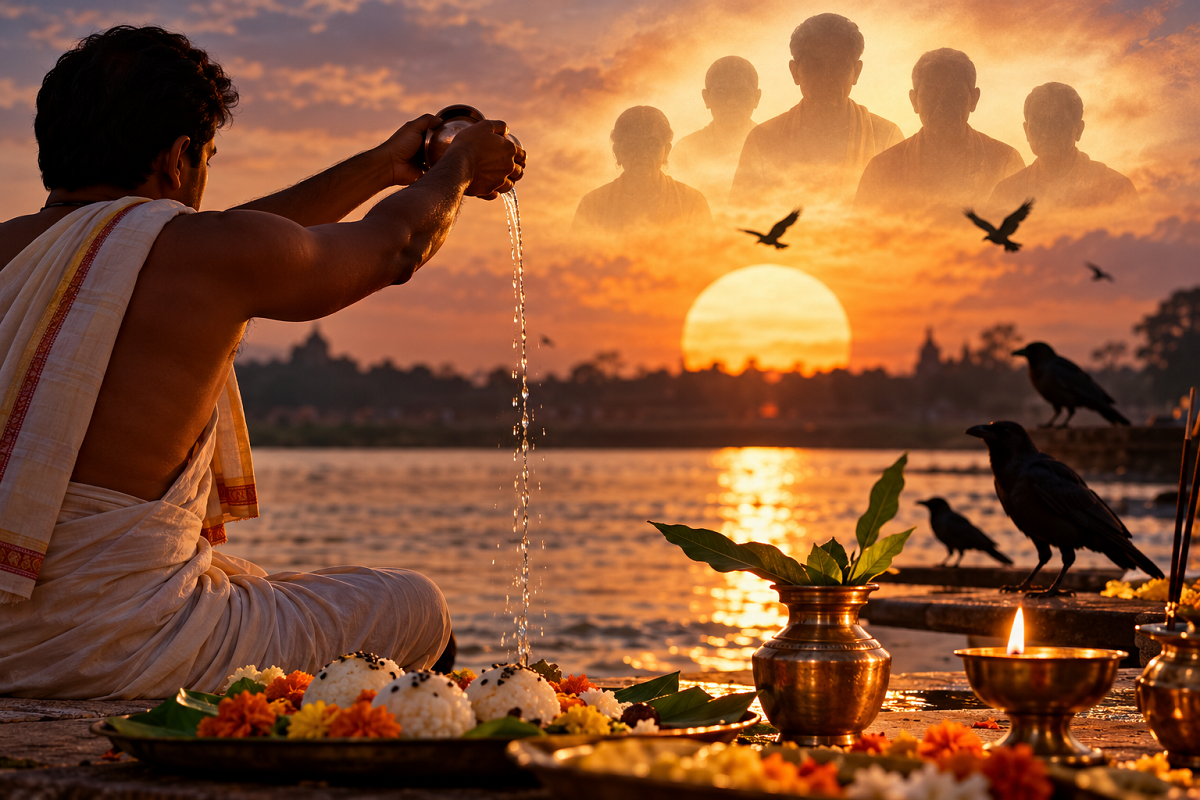
Sarva Pitru Amavasya 2026: Honouring departed family members is an important part of Hindu religious traditions. Pitru Paksha is a sacred period dedicated to remembering ancestors, expressing gratitude for their contributions and performing traditional prayers for their peace. The final day of this period, known as Sarva Pitru Amavasya, holds particular religious significance.
Also called Mahalaya Amavasya, this occasion provides families with an opportunity to offer prayers for departed relatives, especially those whose exact death tithi is unknown or whose Shradh ceremonies could not be performed on the designated days during Pitru Paksha.
According to Hindu customs, devotees observe several rituals, including Tarpan, Shradh, charitable donations and the offering of food. However, certain activities are traditionally discouraged during this occasion.
Here is a detailed guide to the religious practices, important customs and precautions associated with Sarva Pitru Amavasya.
Why Is Sarva Pitru Amavasya Important in Hindu Tradition?
Sarva Pitru Amavasya marks the conclusion of Pitru Paksha, a period traditionally observed for remembering deceased family members.
In Hindu belief, honouring ancestors is considered an expression of gratitude, respect and responsibility towards previous generations. Many families perform religious ceremonies to seek blessings and pray for the spiritual peace of their departed loved ones.
This Amavasya is especially meaningful because it is traditionally associated with collective remembrance of ancestors.
Families who do not know the exact lunar death date of a relative may perform Shradh on this occasion. Similarly, those who were unable to observe the relevant ceremonies earlier in Pitru Paksha may use this day for ancestral prayers.
Religious customs can vary considerably depending on regional practices, family traditions and individual beliefs.
Five Important Practices to Observe on Sarva Pitru Amavasya
1. Offer Water to Ancestors Through Tarpan
Tarpan is one of the most widely followed rituals during Pitru Paksha.
As part of this practice, devotees offer water while remembering their deceased ancestors with respect and devotion. Depending on family customs, the ceremony may involve specific prayers and traditional offerings.
Many Hindu families believe that performing Tarpan expresses gratitude towards ancestors and symbolically seeks their blessings for the family's well-being.
Those unfamiliar with the procedure may consult a knowledgeable priest or follow the customs traditionally observed in their household.
2. Perform Shradh According to Family Customs
Shradh ceremonies are another significant aspect of Sarva Pitru Amavasya.
These rituals are traditionally performed to honour deceased relatives and express remembrance through prayers and offerings.
The specific procedure may differ across communities. Some families perform elaborate ceremonies, while others observe simpler rituals at home.
There is no single practice followed uniformly by all Hindu households. Therefore, devotees are generally encouraged to respect their inherited traditions and seek appropriate religious guidance when necessary.
3. Donate Food, Clothes and Essential Items
Charitable giving is considered an important expression of compassion during Sarva Pitru Amavasya.
Many devotees distribute food grains, clothes, groceries and other useful items to people facing financial difficulties.
Such contributions are traditionally associated with acts of kindness performed in memory of departed relatives.
However, religious teachings generally place greater emphasis on sincerity than on the monetary value of donations.
Families can contribute according to their financial circumstances without feeling pressured to organise expensive ceremonies or make large offerings.
4. Provide Food to Animals and Birds
Feeding animals and birds is another customary practice associated with ancestor remembrance.
In several Hindu communities, people offer suitable food to cows, dogs, crows and other birds during Pitru Paksha.
These activities are traditionally regarded as expressions of compassion and respect for living beings.
Devotees following this custom should ensure that the food provided is safe for the animals and does not create environmental or hygiene problems.
The broader message behind this practice is to demonstrate kindness while remembering family members who have passed away.
5. Light a Lamp in Memory of Departed Relatives
Lighting a diya, or traditional oil lamp, is commonly associated with prayers and remembrance.
On Sarva Pitru Amavasya, some families light lamps in the evening while offering prayers for their ancestors.
This practice, sometimes called Deep Daan, symbolises devotion, remembrance and spiritual reflection.
Devotees may pray for peace for departed souls and happiness within the family.
When lighting lamps, appropriate fire-safety precautions should also be followed.
Sarva Pitru Amavasya: Four Activities Traditionally Discouraged
Along with performing religious ceremonies, devotees often observe certain restrictions as part of their family customs.
1. Avoid Arguments, Anger and Unnecessary Conflicts
Sarva Pitru Amavasya is traditionally viewed as a time for reflection, gratitude and peaceful remembrance.
For this reason, many religious customs encourage individuals to avoid unnecessary disputes, harsh language and aggressive behaviour.
Maintaining a calm household atmosphere is considered appropriate when family members gather to perform ancestral prayers.
The occasion also offers an opportunity to strengthen relationships and remember the values passed down by previous generations.
2. Refrain From Alcohol and Non-Vegetarian Food
Many families prefer a simple, sattvic diet when performing Shradh and Tarpan ceremonies.
Those observing these customs generally avoid alcohol, intoxicating substances and non-vegetarian meals during religious activities.
Sattvic food is traditionally associated with simplicity, moderation and spiritual discipline.
However, dietary restrictions are not identical across all Hindu communities. Individuals generally follow the practices established within their own families.
3. Do Not Turn Charity Into a Public Display
Donations and religious offerings are traditionally intended to express devotion and generosity.
Using these activities primarily to attract attention or demonstrate social status is often discouraged.
According to customary beliefs, even a small contribution made sincerely can hold greater personal and spiritual significance than an elaborate donation motivated by publicity.
The emphasis is therefore on helping others respectfully rather than competing over the scale of religious expenditure.
4. Avoid Performing Unfamiliar Rituals Without Guidance
Shradh, Tarpan and Pind Daan may involve specific procedures that differ according to regional and family traditions.
Attempting unfamiliar ceremonies without understanding their significance can create confusion.
Devotees who wish to perform traditional rituals may consult an experienced priest or knowledgeable family elder.
Following established customs carefully can help ensure that ceremonies are conducted respectfully and without unnecessary anxiety.
Is It Necessary to Perform Expensive Rituals on Sarva Pitru Amavasya?
A common concern among families is whether elaborate ceremonies or costly offerings are necessary to honour ancestors.
Religious observances vary, and not every household follows the same procedures.
For many devotees, simple prayers, remembrance, acts of charity and spending time reflecting on departed relatives are meaningful ways to observe the occasion.
Families who follow formal Shradh traditions may choose to perform the prescribed ceremonies according to their beliefs and available resources.
The occasion should not become a source of financial pressure, particularly for households with limited means.
The Deeper Message Behind Sarva Pitru Amavasya
Beyond its religious ceremonies, Sarva Pitru Amavasya represents the importance of remembering one's roots and acknowledging the contributions of earlier generations.
The occasion encourages families to reflect on inherited values, express gratitude and practise compassion.
Traditional activities such as donating food, helping people in need and feeding animals also highlight the connection between religious devotion and social responsibility.
While customs differ across regions and communities, remembrance and respect remain central to the observance.
Conclusion
Sarva Pitru Amavasya holds a special place in Hindu tradition as the concluding observance of Pitru Paksha. Devotees commonly mark the occasion through ancestral prayers, Tarpan, Shradh ceremonies, charitable activities and the lighting of lamps.
At the same time, many families traditionally avoid arguments, intoxicants, ostentatious donations and improperly conducted rituals.
The central purpose of Sarva Pitru Amavasya is to remember departed loved ones with sincerity, gratitude and respect. Families can observe the occasion in accordance with their religious beliefs, established customs and personal circumstances.
Disclaimer: This article explains traditional Hindu religious beliefs and customs for informational purposes. Rituals and restrictions may differ by region, community and family tradition. Readers may consult a qualified religious practitioner for guidance specific to their customs.