Millions of ration card beneficiaries across India are set to benefit from a more flexible food distribution system as the government strengthens the implementation of its nationwide ration portability initiative. The latest improvements aim to make subsidized food grains more accessible, especially for migrant workers, daily wage earners, and families that frequently relocate for employment.
The enhanced system allows eligible beneficiaries to access their food grain entitlements from a wider network of Fair Price Shops (FPS) instead of being tied to a single ration outlet. The move is expected to improve convenience, reduce dependency on a specific shop, and ensure uninterrupted access to essential food supplies.
Greater Freedom to Choose Where to Collect Rations
Under the upgraded framework, ration card holders will have more flexibility in how they receive their monthly food grain allocations.
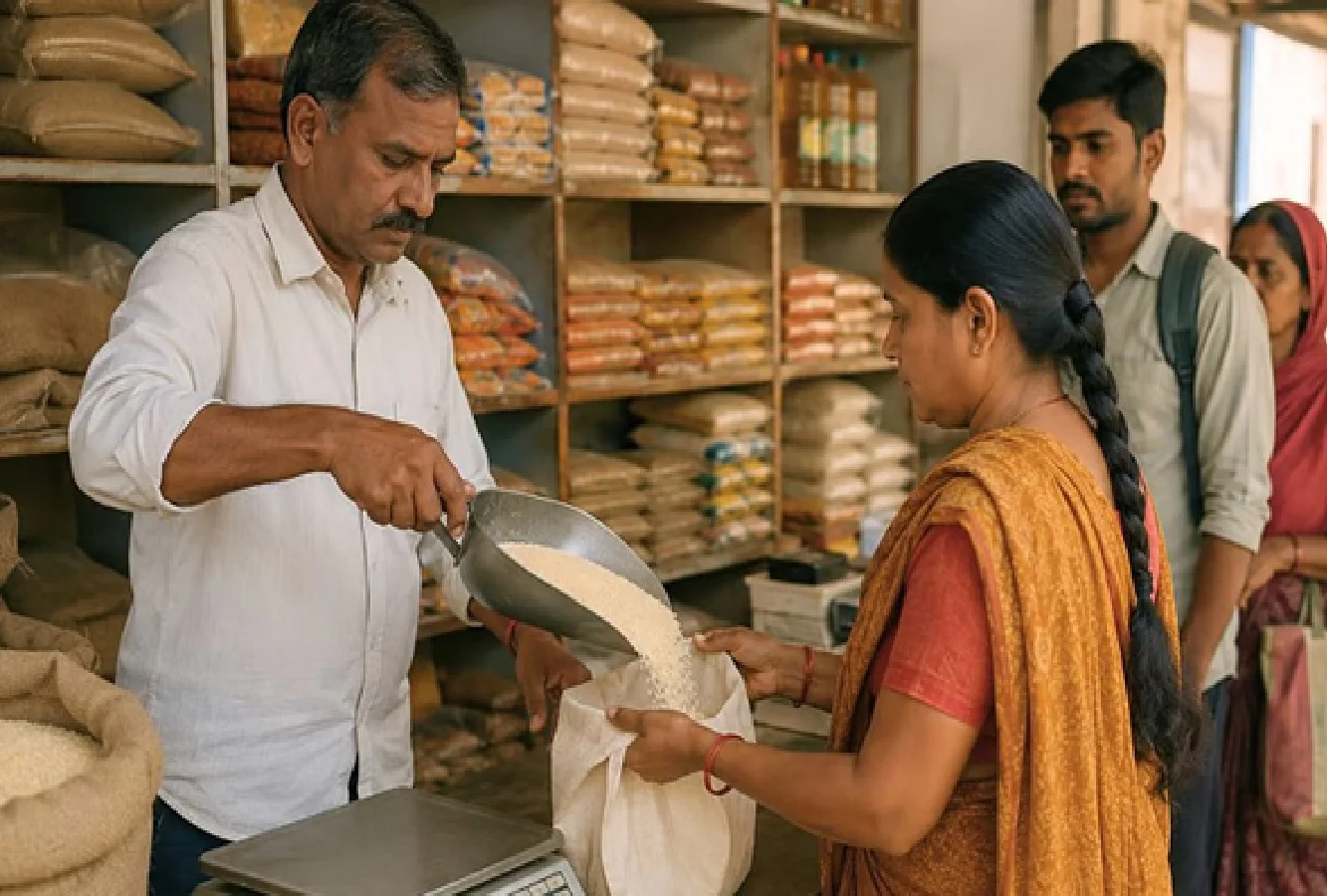
Instead of collecting all commodities from one designated ration shop, beneficiaries can access their entitlements from different authorized outlets based on convenience and availability. This means consumers are no longer restricted to a single location for obtaining government-subsidized food grains.
The system is designed to provide greater mobility and ease of access, particularly for people who travel frequently or live away from their registered hometowns.
Officials have compared the convenience of the new arrangement to banking services, where customers can access their accounts from various locations rather than relying on a single branch.
One Nation, One Ration Card Continues to Expand
The development is part of the government's ongoing efforts to strengthen the One Nation, One Ration Card (ONORC) initiative.
The program was introduced to ensure that eligible beneficiaries can receive subsidized food grains regardless of their location within the country. By enabling portability of ration benefits, the scheme seeks to address challenges faced by migrant populations and workers who move between states for employment opportunities.
The initiative has become an important component of India's food security framework, allowing individuals and families to maintain access to essential food support even when they relocate.
Major Relief for Migrant Workers
One of the biggest advantages of the enhanced system is its impact on migrant workers and temporary laborers.
Traditionally, many beneficiaries faced difficulties accessing ration benefits when they moved away from their home districts or states. Since their ration cards were linked to a specific shop, obtaining subsidized food in another location often proved challenging.
The expanded portability system addresses this issue by allowing beneficiaries to authenticate their identity and collect food grains from authorized outlets closer to their current residence.
This change is expected to provide significant support to workers employed in construction, manufacturing, agriculture, transportation, and other sectors that involve frequent migration.
Aadhaar-Based Verification Simplifies Access
To ensure secure and accurate distribution, the system relies on Aadhaar-linked authentication and biometric verification.
Eligible beneficiaries can verify their identity at participating ration shops and receive their entitled food grains without needing to return to their registered hometown.
The use of digital authentication helps reduce duplication, improve transparency, and ensure that benefits reach the intended recipients.
Officials believe that technology-driven verification mechanisms can strengthen the efficiency of the Public Distribution System (PDS) while minimizing leakages and irregularities.
Technology Upgrades to Improve Transparency
Alongside ration portability, authorities are introducing additional technological improvements to modernize food grain distribution across the country.
A key upgrade involves integrating electronic weighing systems with Electronic Point of Sale (e-POS) machines installed at ration shops.
This integration is expected to:
- Improve accuracy in food grain distribution.
- Reduce instances of under-weighing.
- Strengthen accountability at ration outlets.
- Enhance transparency in transactions.
- Create digital records for monitoring purposes.
The modernization effort is part of a broader strategy to make the Public Distribution System more efficient and user-friendly.
Mera Ration App Enhances User Convenience
Beneficiaries can also access a range of digital services through the "Mera Ration" mobile application.
The app provides several useful features, including:
- Checking available ration entitlements.
- Locating nearby ration shops.
- Monitoring transaction history.
- Viewing Aadhaar linkage status.
- Accessing portability-related information.
By bringing these services to smartphones, the government aims to empower beneficiaries with real-time information and reduce dependency on manual processes.
A Step Toward a More Accessible Food Distribution System
The latest reforms reflect the government's ongoing efforts to improve food security delivery through technology and portability. By giving beneficiaries greater freedom to choose where they collect their food grains, the system is becoming more responsive to the needs of a mobile workforce and an increasingly digital society.
For millions of ration card holders, especially migrant families and workers living away from home, the enhanced portability framework offers greater convenience, improved accessibility, and a more reliable way to access essential food supplies anywhere in the country.