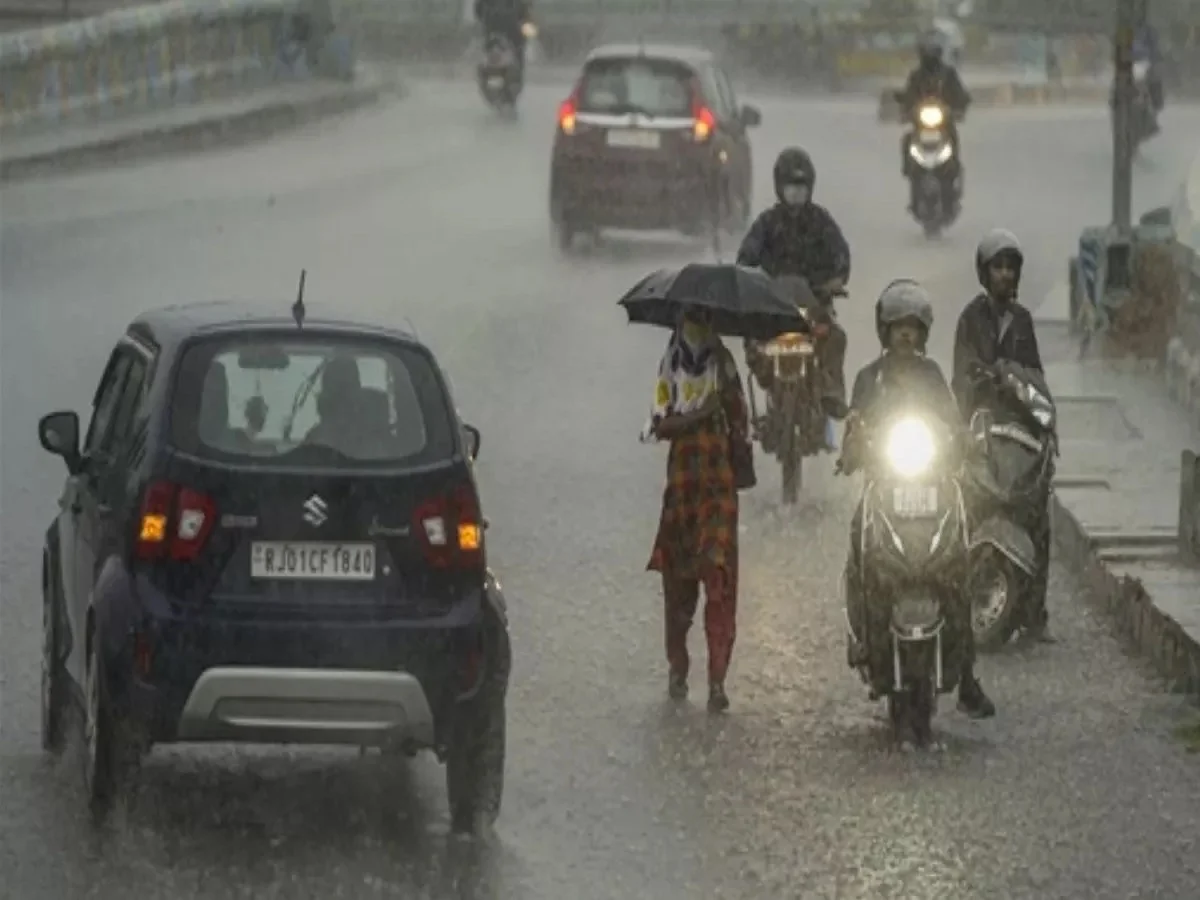
Rajasthan is widely recognized for its vast deserts, rich cultural heritage, historic forts, and arid climate. However, the arrival of the southwest monsoon transforms several parts of the state, bringing much-needed rainfall that supports agriculture, replenishes water resources, and improves ecological balance.
Among all regions of Rajasthan, Mount Abu stands out as the state's wettest destination. Unlike the dry plains that dominate much of Rajasthan, this hill station experiences significantly higher rainfall every monsoon due to its unique geographical location and elevation.
Here's why Mount Abu receives the highest rainfall in Rajasthan and why it becomes one of the state's most popular monsoon destinations.
Mount Abu Records the Highest Rainfall in Rajasthan
Located in the Aravalli Range, Mount Abu is Rajasthan's only hill station and consistently records the highest rainfall in the state during the monsoon season.
Its elevated terrain allows moisture-laden southwest monsoon winds to rise and cool as they move across the hills. This process increases cloud formation and results in heavier rainfall compared to most other parts of Rajasthan.
Because of these geographical advantages, Mount Abu enjoys a much greener landscape than the surrounding desert regions.
Average Annual Rainfall
Mount Abu receives substantially more rainfall than the rest of the state.
According to commonly reported climatic averages, the hill station records approximately 70 cm to 180 cm of annual rainfall, depending on seasonal weather conditions and the intensity of the monsoon.
Rainfall levels may vary from year to year due to changing weather patterns, but Mount Abu generally remains Rajasthan's rainiest location.
Why Does Mount Abu Receive More Rain?
Several geographical factors contribute to the region's higher rainfall:
- Elevated location in the Aravalli Hills.
- Moist monsoon winds striking the mountain slopes.
- Orographic rainfall caused by rising air currents.
- Cooler temperatures that promote cloud formation.
These natural conditions make Mount Abu significantly different from the dry and semi-arid regions found across much of Rajasthan.
Rajasthan's Only Hill Station
Apart from receiving the highest rainfall, Mount Abu is also known as Rajasthan's only hill station.
Its pleasant climate throughout much of the year makes it a popular destination for tourists seeking relief from the intense summer heat experienced across the state.
The cooler temperatures, scenic landscapes, and lush greenery make it one of Rajasthan's most visited tourist destinations during the monsoon season.
Importance of Monsoon Rainfall
The rainfall received in and around Mount Abu plays an important role in supporting the local environment and economy.
Some of its key benefits include:
- Recharging groundwater reserves.
- Supporting agriculture in surrounding regions.
- Sustaining forests and biodiversity.
- Maintaining local water bodies.
- Improving ecological balance.
Healthy monsoon rainfall also contributes to better water availability for nearby communities.
A Popular Monsoon Tourist Destination
The arrival of the rainy season dramatically changes the appearance of Mount Abu.
Rolling hills covered in fresh greenery, seasonal waterfalls, mist-covered valleys, and pleasant weather attract thousands of visitors every year. The scenic beauty during the monsoon makes it one of the most sought-after travel destinations in Rajasthan.
Popular attractions such as Nakki Lake, Guru Shikhar, Dilwara Temples, and nearby viewpoints become especially picturesque after the rains.
Visitors often choose the monsoon months to enjoy cooler temperatures, nature walks, photography, and panoramic views of the Aravalli landscape.
Weather Conditions During the Monsoon
Unlike the hot and dry conditions experienced across much of Rajasthan, Mount Abu remains comparatively cool during the rainy season.
Frequent showers and lower temperatures create a refreshing climate, making it an ideal escape for travelers looking to experience a different side of Rajasthan.
However, tourists should also monitor local weather forecasts before traveling, as heavy rainfall may occasionally affect road conditions.
Key Takeaway
Although Rajasthan is known for its desert landscape and dry climate, Mount Abu receives the highest rainfall in the state during the monsoon season. Its location in the Aravalli Range, higher elevation, and favorable geographical conditions help it record an average annual rainfall of 70 cm to 180 cm. Besides supporting agriculture and groundwater recharge, the monsoon transforms Mount Abu into a lush green hill destination, attracting visitors from across the country with its waterfalls, misty hills, and pleasant weather.