LIFESTYLE
Premature Babies Blindness Risk: Early eye screening can prevent the risk of blindness in premature babies. Know how?
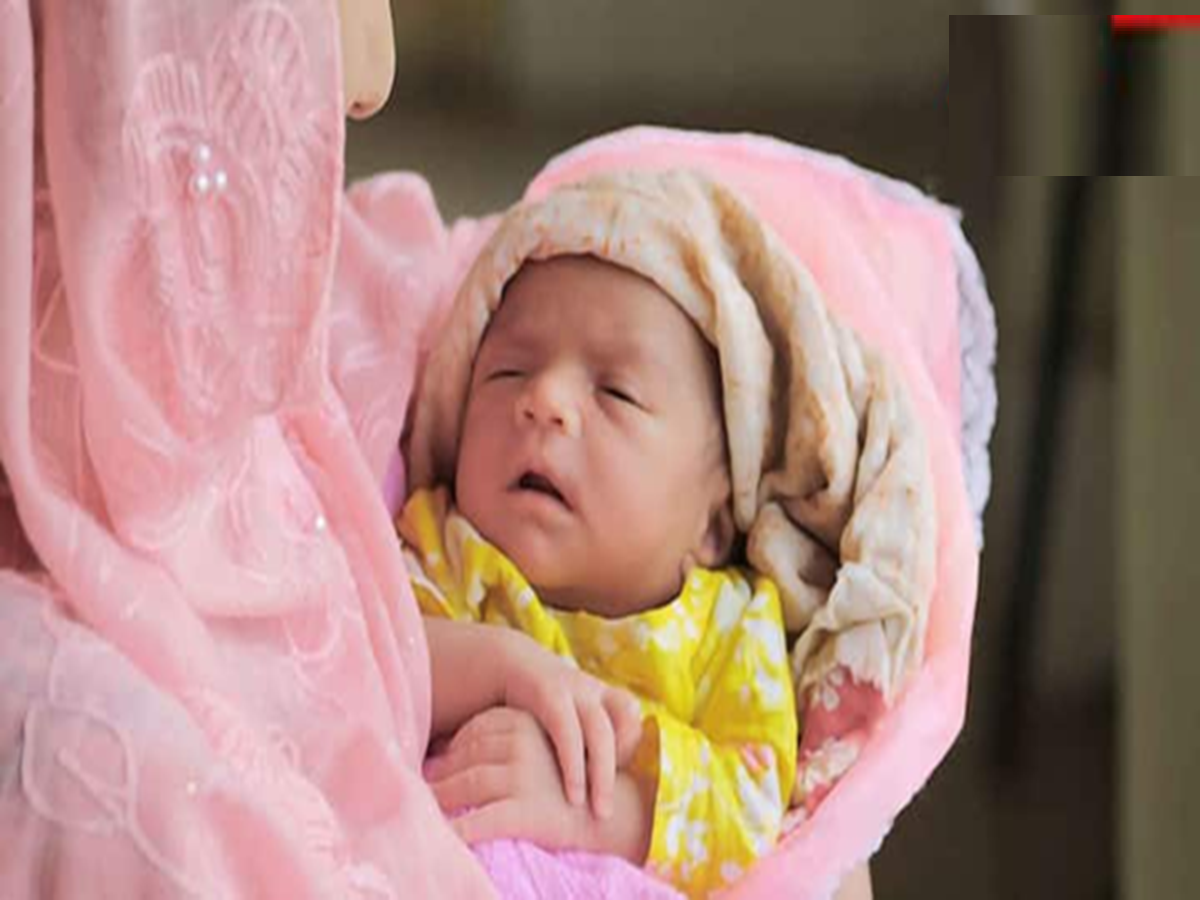
Premature Babies' Blindness Risk: Earlier, the chances of such children remaining healthy were less, but now with the help of NICU and modern treatment, they are getting better care.
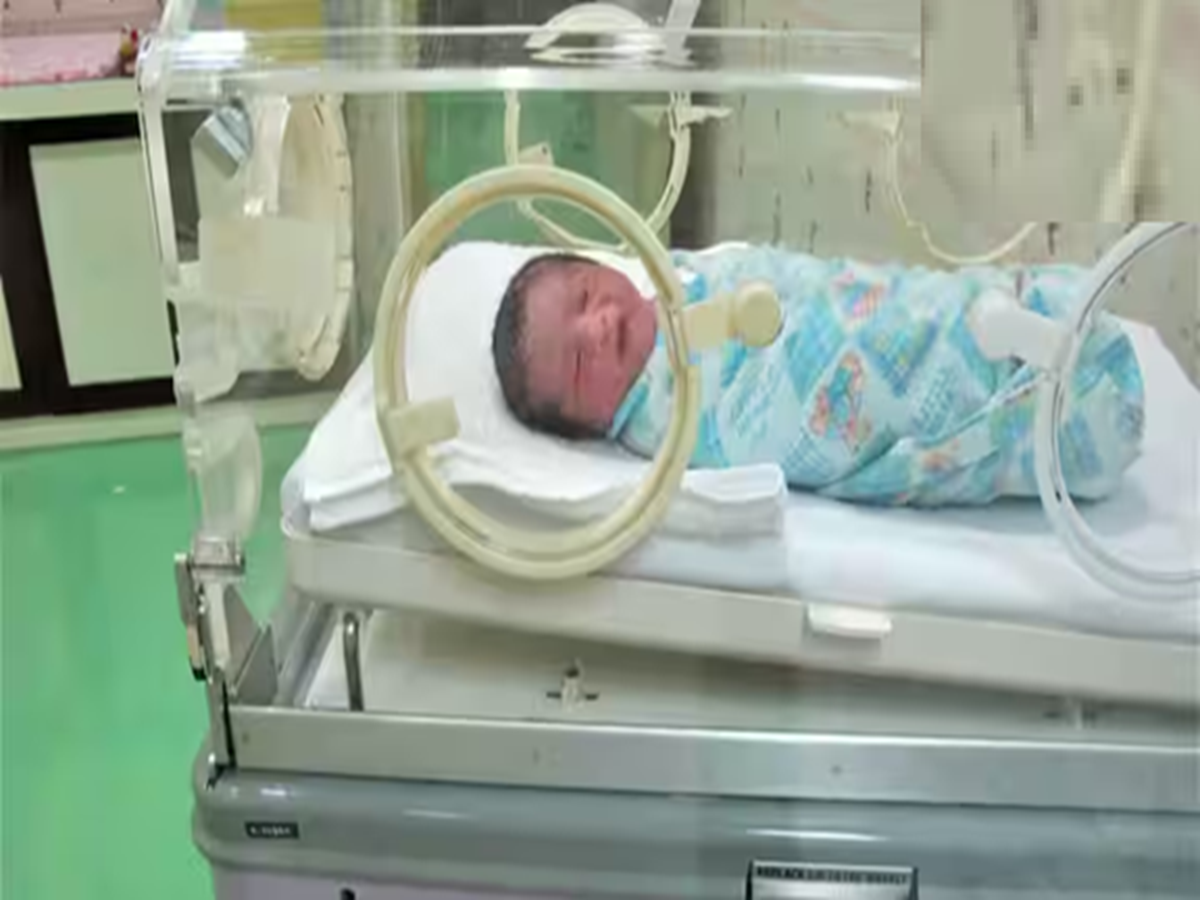
Nowadays, medical facilities have improved significantly, making it easier to save the lives of premature babies. Previously, these babies had a lower chance of survival, but now, with the help of NICUs and modern treatments, they are receiving better care. However, a new concern is also growing: retinopathy of prematurity (ROP). This is a serious eye disease that can damage the vision of premature babies and, in severe cases, even lead to blindness. Importantly, the early symptoms of this disease are not easily visible. Therefore, doctors recommend timely eye screening, as early detection can save a child's eyesight. So, let's learn how early eye screening can prevent the risk of blindness in premature babies.
1 /6
Retinopathy of prematurity is an eye condition that primarily affects premature babies. It causes the red blood cells in the retina, located at the back of the eye, to grow abnormally. The retina is the part that senses light and transmits signals to the brain. If the condition becomes severe, the retina can become detached, potentially leading to permanent vision loss. However, it is treatable in its early stages.
2 /6
India sees a large number of premature babies born every year. While these babies once had a low chance of survival, improved care is now saving their lives. However, eye screening and monitoring facilities are not equally available in all hospitals. This is why experts are considering ROP as the third epidemic in India. The condition is not only seen in very low birth weight babies, but also in babies born up to 34 weeks or weighing up to 2 kg.
3 /6
The biggest problem with ROP is that its early signs are often invisible to parents. The baby may appear normal, but the disease is progressing internally. Therefore, doctors recommend that premature babies have their first retinal examination within the first month of birth. If necessary, doctors schedule regular follow-up examinations. Timely screening can help detect the disease in its early stages.
4 /6
If ROP is detected early, it can be treated. Doctors can stop the growth of abnormal red blood cells in the retina with laser therapy or anti-VEGF injections. However, if diagnosis and treatment are delayed, the disease can rapidly worsen and the risk of blindness increases significantly. Therefore, follow-up checkups should never be neglected.
5 /6
Many NICUs in smaller cities and rural areas across the country still don't provide information about eye exams for children at discharge. Many families are unaware that their children's eye exams are still necessary after discharge. Furthermore, a shortage of pediatricians and retinal specialists is a significant problem. A robust referral system, portable screening machines, and tele-ophthalmology services can help address this challenge.
6 /6
If your doctor recommends an eye exam or follow-up, don't ignore it. Timely diagnosis and treatment can help prevent blindness in children. Premature babies are extremely delicate, and even minor carelessness can be devastating. Therefore, if your baby was born prematurely, ensure an early eye exam.