NEWS
Power crisis in the country: Will darkness prevail at night? 9 states have requested extra electricity.
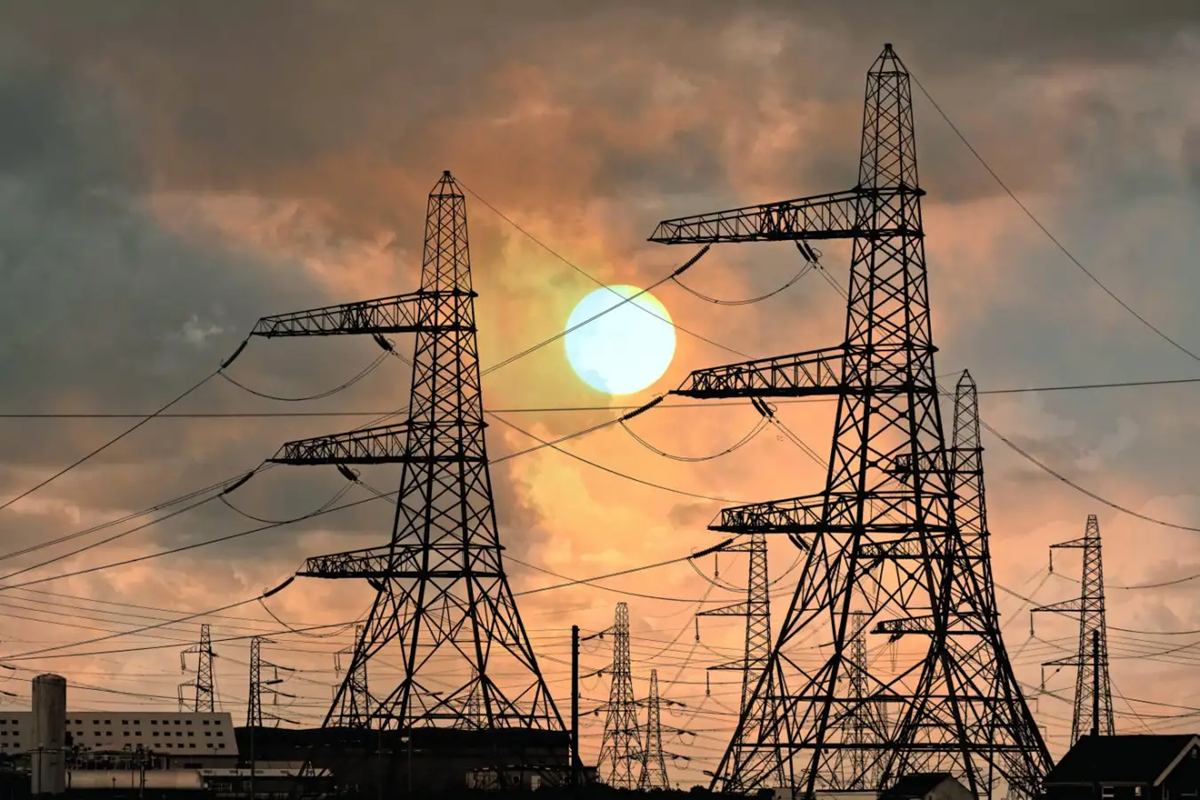
The power crisis in India is deepening. Many states are experiencing power shortages at night, leading to demands for additional electricity from governments in several states.
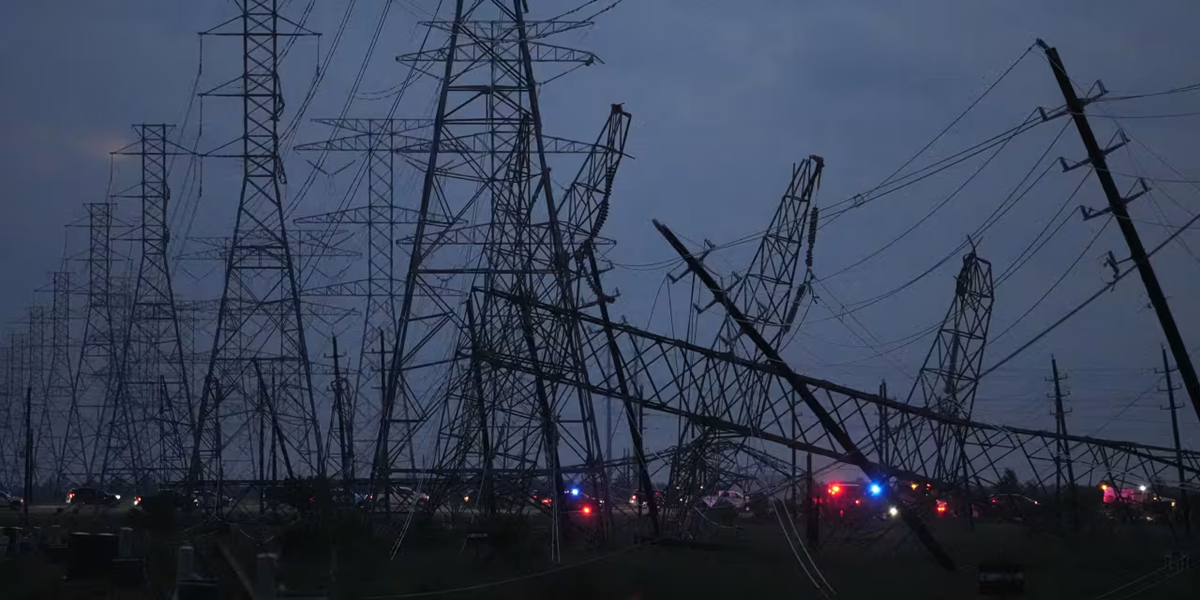
There is a shortage of electricity in India, many states have demanded from the government
India has experienced petrol, diesel, and gas shortages over the past few months. But now, in the last quarter of the year, it appears the country is also facing a power crisis. This has led to demands for additional electricity from several states. Despite increased coal-fired power generation, the country's electricity supply is still failing to meet demand.
According to a Reuters report, India's power shortage is projected to rise to 560 million units (560 million kWh) in September 2026. This is the biggest power crisis since August 2023.
Power shortages in these states:
Many states across the country, including Rajasthan, Gujarat, Maharashtra, Tamil Nadu, Andhra Pradesh, West Bengal, Uttar Pradesh, Chhattisgarh, and Delhi, are experiencing power shortages. Consequently, these states have requested additional power from the central government to meet the demand. These states are making additional arrangements to avoid power shortages, especially at night.
Why is there a power shortage?
There are several reasons for the power shortage in the country, one of which is low rainfall. This has reduced hydroelectric power generation, leading to power shortages. While coal-based power generation has increased, increasing by 13.3% in September. However, limited coal stocks and ongoing maintenance at power plants have made it difficult to supply electricity according to demand.
According to data from Grid India, approximately 47% of India's coal-fired power plants had extremely low coal reserves. These plants had less than a quarter of their planned coal needs. This year's weather was also somewhat unpredictable. The warmer-than-normal weather increased the need for coolers and air conditioners. Demand for electricity for agricultural irrigation also remained high.
What is the government doing to address the power crisis?
The central government and states are taking several steps to increase power availability. The central government is working to provide electricity to needy states. At the same time, domestic coal production is being increased. Solar-powered battery storage is being expanded to help alleviate power shortages.
Impact on the Public:
If the gap between electricity demand and supply persists, people in some states may face power outages. Furthermore, purchasing more expensive electricity could increase power companies' costs, impacting power supply and their financial health. However, this is not necessarily going to result in an immediate increase in electricity rates in every state.