With electricity costs continuing to rise, more homeowners and businesses are turning to solar energy as a long-term solution to reduce power bills and become less dependent on the conventional electricity grid. Solar panels convert sunlight into electricity, offering a clean and renewable source of energy that can help lower monthly expenses over time.
However, installing a solar power system requires careful planning. While solar energy offers several advantages, there are also practical considerations such as installation costs, roof suitability, maintenance, and energy generation limitations that every buyer should understand before making an investment.
Here are five important factors to keep in mind before installing solar panels.
1. Solar Panels Do Not Generate Electricity All the Time
Solar panels rely entirely on sunlight to produce electricity. As a result, power generation depends on weather conditions and the availability of daylight.
Some key limitations include:
- Solar panels do not produce electricity at night.
- Cloudy, rainy, or foggy weather can reduce power generation.
- Winter months or regions with limited sunlight may produce lower energy output.
- Homes with high electricity demand may require an additional power backup system.
If uninterrupted electricity is essential, you may need battery storage or grid connectivity to ensure power availability when solar generation is low.
2. Initial Installation Costs Can Be Significant
Although solar energy helps reduce electricity bills in the long run, the upfront investment can be substantial.
The total cost generally includes:
- Solar panels.
- Inverters.
- Mounting structures.
- Electrical wiring.
- Installation charges.
- Battery storage (if choosing an off-grid system).
The time required to recover the installation cost—commonly known as the payback period—depends on factors such as electricity consumption, system size, local electricity tariffs, and available government incentives.
Before purchasing a system, calculate both the initial investment and the expected long-term savings.
3. Battery Storage Requires Responsible Handling
Solar power itself is considered environmentally friendly because it generates electricity without producing direct emissions.
However, battery storage systems used in off-grid or hybrid solar installations require careful management.
Used batteries may contain chemicals that can be harmful to the environment if not disposed of properly. Improper disposal can contaminate soil and groundwater.
To minimize environmental impact:
- Choose high-quality batteries.
- Follow manufacturer guidelines.
- Dispose of old batteries through authorized recycling facilities.
Proper recycling helps reduce environmental risks and supports sustainable energy practices.
4. Regular Maintenance Is Necessary
Solar panels are relatively low-maintenance, but they are not maintenance-free.
To maintain optimum performance:
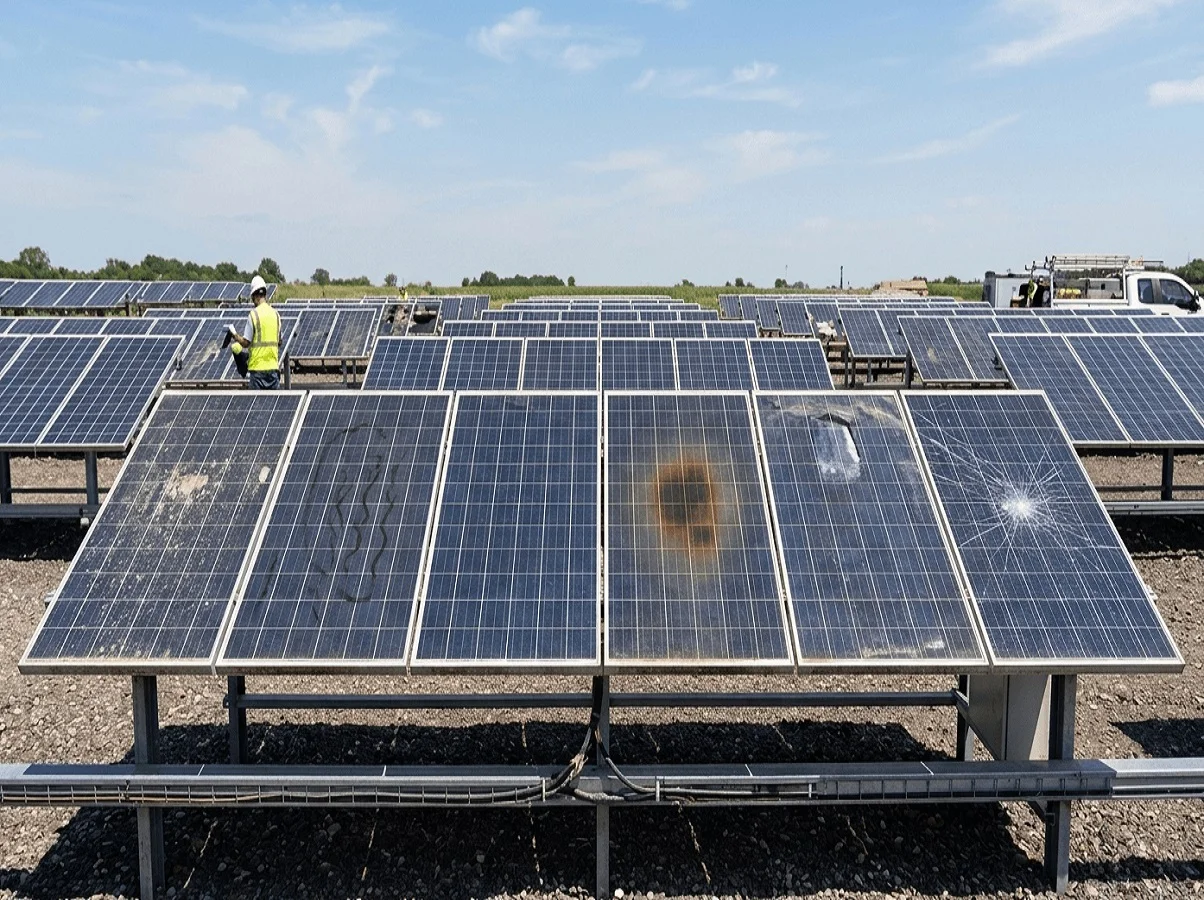
- Clean the panels periodically to remove dust, leaves, bird droppings, and other debris.
- Inspect the system for loose wiring or damaged components.
- Check the inverter and electrical connections regularly.
- Arrange professional servicing if performance declines or faults are detected.
Severe weather conditions such as storms, heavy rainfall, hail, or strong winds can occasionally damage solar equipment, making periodic inspections important.
Regular maintenance helps maximize energy production and extend the lifespan of the system.
5. Adequate Roof Space and Sunlight Are Essential
Before installing solar panels, ensure that your property has sufficient space and receives adequate sunlight throughout the day.
Important considerations include:
- A structurally sound roof.
- Unobstructed exposure to sunlight.
- Minimal shading from trees, neighboring buildings, or other structures.
- Enough roof area to accommodate the required number of panels.
Homes with higher electricity consumption generally require larger solar systems, which means additional installation space may be needed.
A professional site survey can help determine whether your property is suitable for solar installation.
Additional Factors to Consider
Before finalizing your purchase, you should also evaluate:
- The quality and warranty of the solar panels.
- The efficiency rating of the system.
- Government subsidies or incentive programs, if available.
- The experience and certification of the installation company.
- Estimated annual electricity generation.
Comparing multiple quotations from reputable installers can help you choose a system that offers the best value.
Long-Term Benefits of Solar Energy
Despite the initial investment, solar panels can provide several long-term advantages:
- Lower monthly electricity bills.
- Reduced dependence on conventional power sources.
- Clean and renewable energy generation.
- Potential increase in property value.
- Lower carbon footprint.
The actual financial benefits will vary depending on local weather conditions, electricity usage, and system performance.
Key Takeaway
Solar panels can be a smart long-term investment for reducing electricity costs and promoting clean energy, but they require careful planning before installation. Factors such as sunlight availability, roof condition, installation costs, maintenance requirements, battery management, and available space should all be evaluated before making a decision. By understanding these practical considerations and choosing a well-designed system, homeowners can maximize the benefits of solar energy while avoiding costly mistakes in the future.