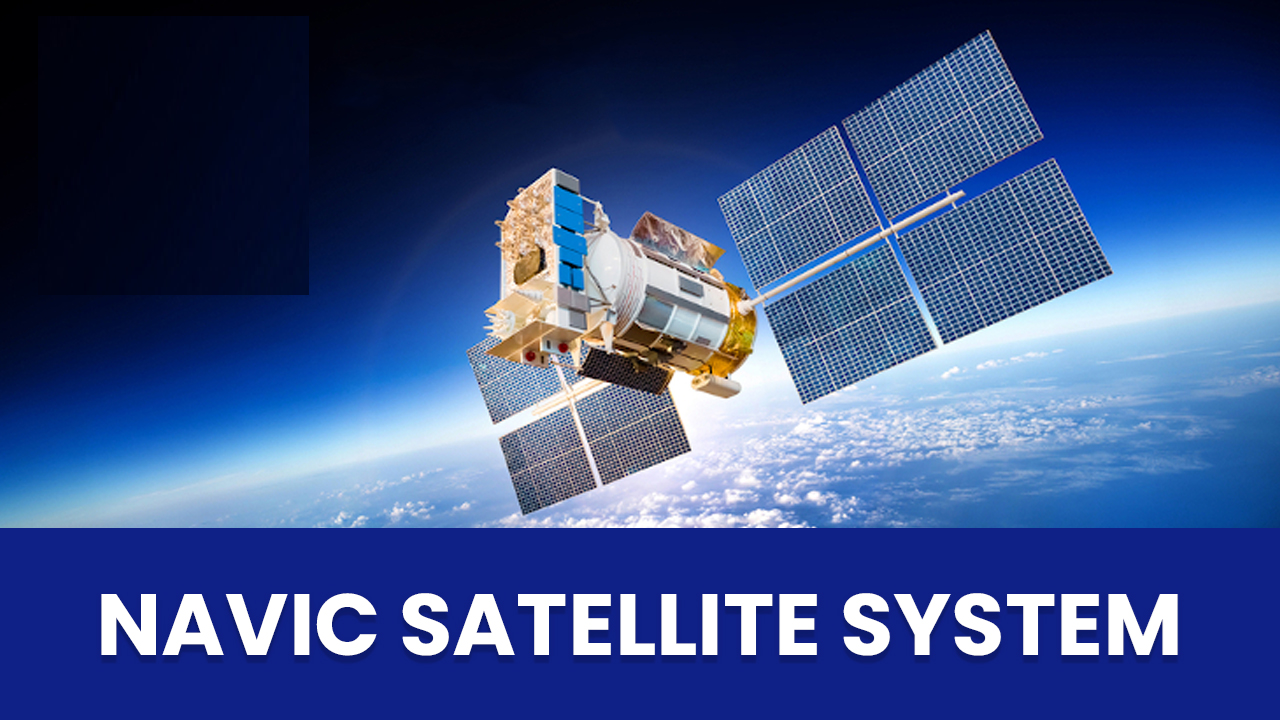
Navic Satellite: The successful launch of the NVS-03 satellite further strengthens India's indigenous navigation system, eliminating the defense forces' dependence on foreign GPS and providing accurate locations to the public.
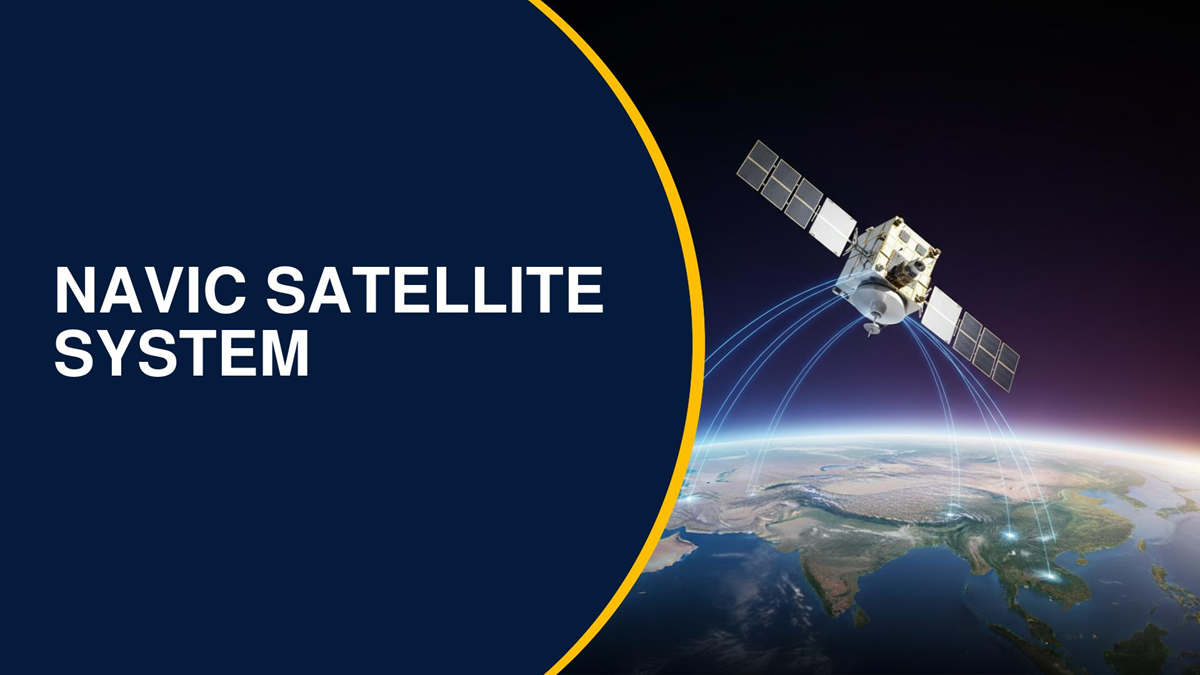
NavIC Satellite System
Navic Satellite: The Indian Space Research Organisation (ISRO) has provided a new and historic boost to the country's satellite navigation system, NavIC. On October 30th, the state-of-the-art NVS-03 satellite, weighing 2,232 kilograms, was successfully launched aboard the GSLV-F18 rocket. After a mere 18 minutes of spaceflight, it was placed in its designated transfer orbit. With this success, the NavIC system has now achieved the minimum required configuration of four satellites, significantly reducing India's dependence on foreign GPS and strengthening its defense security system exponentially.
What is India's own navigation system?
NavIC, or "Navigation with Indian Constellation," is India's fully indigenous and independent regional satellite navigation system. It can be simply called India's own GPS. Instead of operating globally like the US GPS, NavIC is specifically designed to cover the Indian borders and a vast area of up to 1,500 kilometers around India. The system provides three key services: precise geographic positioning (positioning), safe navigation (navigation), and microsecond-accurate timing.
Space travel and technical details of NVS-03
This was the 20th successful flight of the GSLV-F18 rocket, which safely placed the NVS-03 satellite into its initial geosynchronous transfer orbit. This orbit recorded a closest point (perigee) of 170 kilometers and a farthest point (apogee) of 37,023 kilometers from Earth. The satellite will now advance using its onboard propulsion engine to assume its final geosynchronous orbit at 32.5 degrees East. With the addition of this satellite, the NavIC series now has the necessary infrastructure of four operational satellites to provide independent location services.
Indigenous atomic clock and L1 signal strength
The NVS-03 satellite's most significant feature is its fully indigenous rubidium atomic clock. In the world of navigation, even a slight time error can make a significant difference, so this atomic clock ensures the signal's precise timing. Furthermore, NVS-03 has integrated the L1 civilian signal into NavIC for the first time. The integration of the L1 signal with the L5 and S bands will make NavIC's use in common smartphones, commercial navigation devices, and modern gadgets extremely easy and seamless.
Shield of the Defence Forces in War and Crisis
Strategically, NavIC is not just a navigation tool for India, but a highly sensitive national security asset. India has witnessed the risks of relying on foreign navigation systems during crises like the Kargil War. Even if another country were to suspend its GPS service during war or international tensions, India's NavIC will continue to operate uninterrupted. This system is capable of providing highly accurate targeting and location data to Army military vehicles, Navy warships, and Air Force missiles.
Benefits in the everyday lives of ordinary citizens
Navik's capabilities are not limited to border security or the military; they will also facilitate the daily lives of the general public in many ways. It will enable real-time tracking of Indian Railways trains, road transport vehicles, and ships. Furthermore, Navik is a key foundation of the country's "One Nation, One Time" project. The primary objective of this national initiative is to implement a digital system of uniform, accurate, and reliable Indian Standard Time (IST) across India, thereby enhancing the security of telecom and banking networks.
Contribution of Indian Industry and the Message of Self-Reliance
According to ISRO chief V. Narayanan, another notable feature of this mission is that approximately 80 percent of its total budget was invested in Indian private and public industries. This achievement demonstrates the growing strength of Make in India in the space sector. Furthermore, ISRO has proven its technological prowess by executing two GSLV missions within a record time span of just 56 days. The strengthening of NavIC is a decisive step for India in asserting its technological independence on the global stage.