NEWS
Mughlai Cuisine: Did the Mughals create korma and kebabs? Learn the full truth behind these claims.
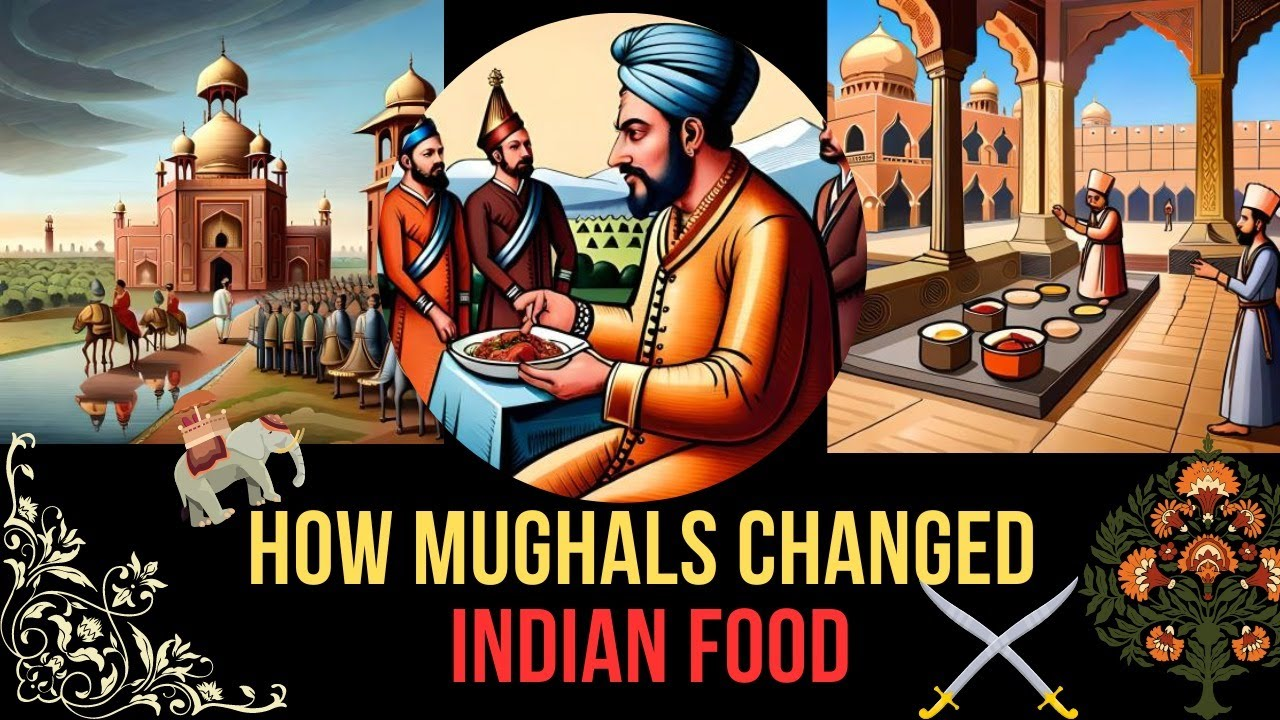
Twinkle Khanna: Emperor Babur, the founder of the Mughal dynasty, is said to have been unimpressed by the simplicity of Indian cuisine upon his arrival in India. He then brought Persian chefs with him.
Did the Mughals create Korma and Kebabs?
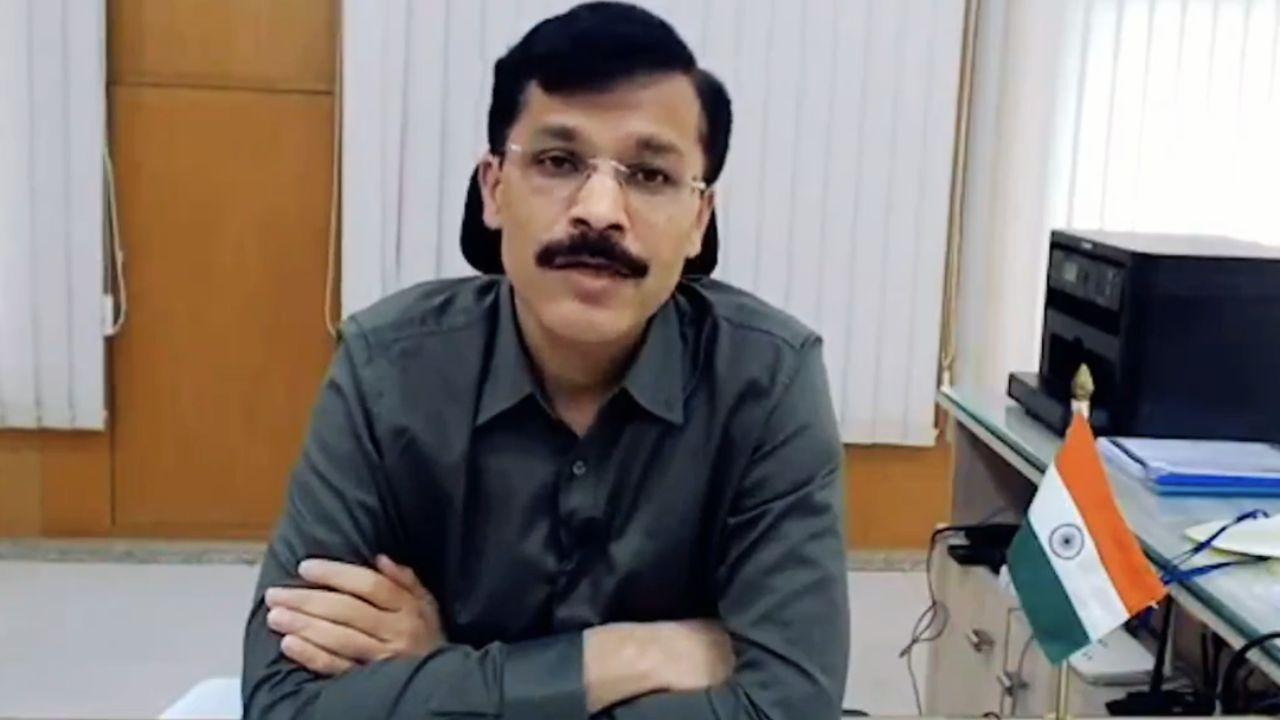
Tukaram Munde, Food Safety: FDA Commissioner Tukaram Munde's actions regarding food safety in Maharashtra are currently in the news. Meanwhile, Twinkle Khanna took a dig at the entire issue in her recent "Mrs. Funnybones" column. She jokingly linked the crackdown on food businesses to her own kitchen, stating that she was inspired by Munde's campaign and decided to "raid" her own home.
Twinkle wrote that while inspecting her kitchen, she found an old packet of "Shahi Masala." She quipped about its expiration date, writing that it appeared to be from the "Mughal Empire." With this joke, she also took a dig at the ongoing debate about Mughal history and its associated food. She questioned that if attempts are being made to remove the Mughal influence from history books, then questions should also be raised about the items considered to be associated with their era. In this context, she mentioned popular dishes like kofta, korma, and kebabs.
Mughlai cuisine traces its roots to the royal kitchens that prepared meals for the Mughal emperors who ruled the Indian subcontinent from the early 16th century to the mid-19th century. The Mughals, who arrived from Central Asia, brought with them Persian, Turkish, and Afghan culinary traditions. When these traditions were combined with India's rich spice culture, a culinary style developed that is today known as Mughlai cuisine. Emperor Babur, the founder of the Mughal dynasty, is said to have been unimpressed by the simplicity of the Indian cuisine upon his arrival in India. He subsequently brought Persian chefs with him, who began to combine Central Asian cooking techniques with Indian ingredients and spices. This fusion is considered the initial foundation of Mughlai cuisine.
Royal Cuisine during the times of Shah Jahan and Aurangzeb
Mughal cuisine reached its peak during the reigns of Shah Jahan and Aurangzeb. Hundreds of chefs worked in the royal kitchens, with different individuals specializing in the preparation of specific dishes. It was during this period that dishes like biryani, korma, nihari, and kebabs gained recognition and were refined. The slow-cooking technique also held significant importance in Mughal cuisine. Dum Pukht involves cooking food over low heat with the vessel tightly sealed, allowing the flavors of the ingredients to develop slowly. The tradition of cooking in the tandoor gave rise to dishes like tandoori roti, naan, and tandoori chicken. The creation of deep, layered flavors by combining different spices in the right proportions was also a hallmark of this cuisine.
Kebab
According to Mughlai Magic, kebabs are considered a hallmark of Mughlai cuisine. Mughal court kitchens emphasized grilled and fire-cooked meat. Meat was typically marinated in spices and then cooked slowly, allowing the fire to bring out its flavor and aroma. Variations of this style subsequently developed across the Indian subcontinent, from the seekh kebab to the delicate, melt-in-the-mouth varieties of Lucknowi kebabs.
However, it is also claimed online that fire-grilled meat skewers existed long before the Mughal Empire. It is also said that simple kebabs had reached India centuries earlier, during the Delhi Sultanate. The Mughals improved them.
Korma
Korma is a thick and creamy dish associated with royal cuisine, typically prepared with yogurt, cream, ground nuts, and spices. It's cooked over low heat to allow the flavors of the meat and spices to develop slowly. Its hallmark is its subtle, lingering flavor, rather than a strong tang. Many online sources claim that the Mughals didn't originate it. The Ain-i-Akbari appears in early Mughal records, but it doesn't mention the creamy korma we enjoy today. Later, Indian royal chefs combined thin Persian broths with local ground nuts, saffron, and Indian spices. This process evolved into the thick, nutty, yogurt-based gravy we know today as korma.