Business
Mobile Number Update 2026: Changed Your Phone Number? Avoid These 7 Banking and UPI Mistakes
Mobile Number Update 2026: Changing your mobile number may seem like a simple process, but it can create serious problems if you forget to update your contact details across important financial accounts. Today, mobile numbers are connected to almost every digital banking service, including savings accounts, UPI applications, credit cards, loans, insurance policies and investment platforms.
Banks and financial institutions use registered mobile numbers to send transaction alerts, verify payments, deliver one-time passwords (OTPs) and communicate important account information.
If your old mobile number is no longer active, you could miss important notifications or face difficulties accessing certain financial services.
There is also a potential security concern. Mobile numbers that are permanently disconnected may eventually be reassigned to another person by telecom operators.
Therefore, anyone who has recently changed their mobile number should update their financial records as soon as possible.
Here are seven important mistakes to avoid when changing your registered mobile number.
1. Forgetting to Update Your Mobile Number With Your Bank
One of the most common mistakes is continuing to use a bank account linked to an inactive mobile number.
Your registered mobile number plays an important role in receiving transaction notifications and completing certain security verification procedures.
If you change your SIM card or obtain a new number, make sure your bank has the correct contact details.
Depending on the bank's available facilities, you may be able to update your number through:
- Internet banking
- The bank's official mobile application
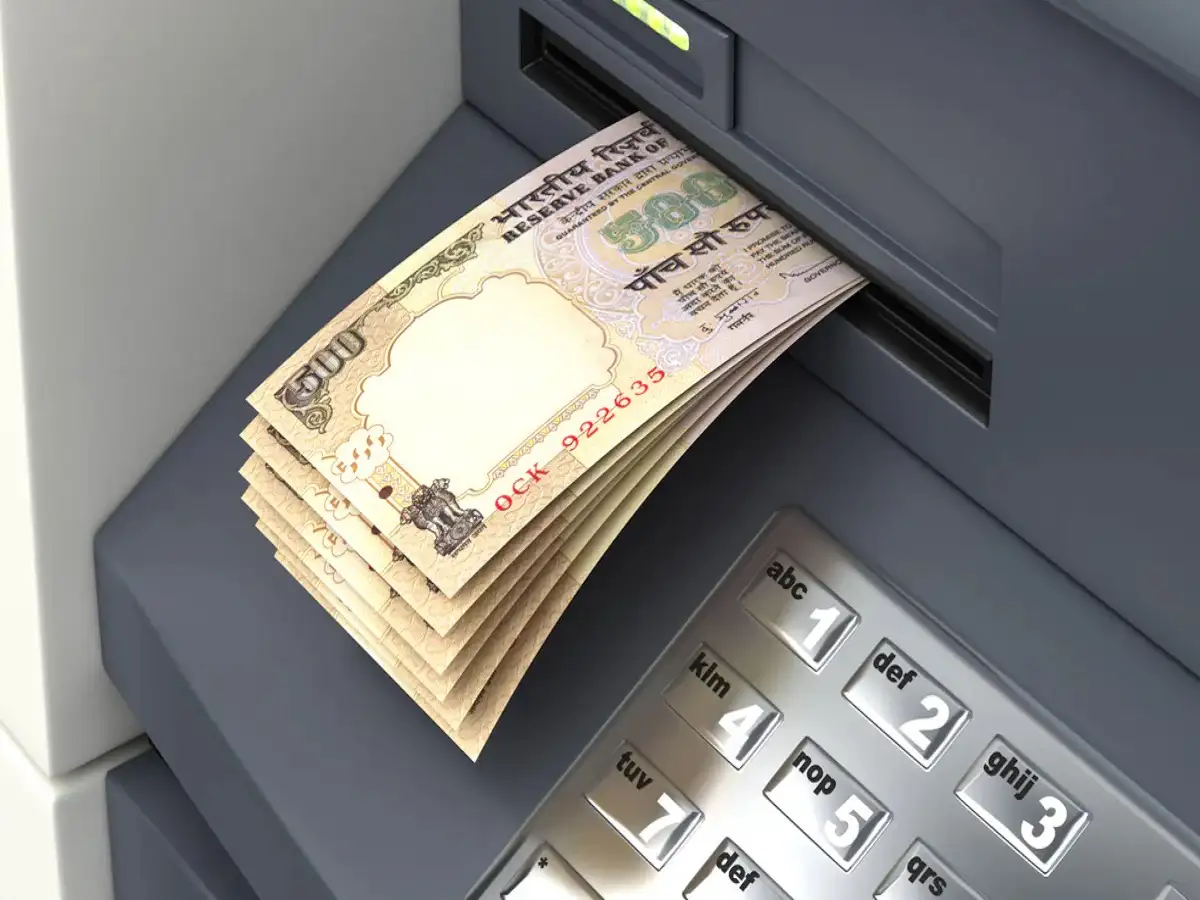
- An ATM offering mobile number update services
- Your bank branch
Some banks may require additional verification or a branch visit before processing the change.
After submitting your request, confirm that the new number has been successfully registered.
2. Assuming Your UPI Apps Will Update Automatically
UPI applications such as Google Pay, PhonePe and Paytm are widely used for everyday transactions.
However, changing your mobile number with your bank does not necessarily mean that all UPI applications will automatically start working with the new number.
UPI registration typically relies on mobile number verification and the number associated with your bank account.
If your registered number changes, you may need to complete the verification or registration process again.
After updating your number, check whether your bank account is correctly linked to the application.
You should also verify that your UPI ID and payment settings are functioning properly.
Depending on the application and bank, your previous UPI ID may remain available, require changes or need to be replaced.
Important: Do not assume that an existing UPI ID will automatically continue working after changing your registered mobile number.
3. Ignoring Credit Card and Loan Account Updates
Many customers update their savings account details but forget about their credit cards and loans.
Your credit card provider may use your registered mobile number for payment alerts, OTP verification, billing notifications and fraud warnings.
Similarly, lenders may send EMI reminders, repayment confirmations and account-related communications to the registered number.
If your old number becomes inactive, you could miss important information about upcoming payments.
This may create unnecessary difficulties in managing your financial obligations.
Therefore, contact your credit card issuer and loan provider to confirm whether your mobile number needs to be updated separately.
Even if your credit card and savings account belong to the same bank, it is advisable to verify that the change has been reflected across all relevant services.
4. Forgetting About Insurance, Mutual Funds and Demat Accounts
Your mobile number may also be linked to investment and insurance services.
These can include mutual fund accounts, stock trading platforms, demat accounts, pension accounts and life or health insurance policies.
Investment platforms frequently use registered mobile numbers to send transaction confirmations and security alerts.
Insurance companies may use them for premium reminders, policy servicing and claim-related communications.
When changing your number, review all financial accounts you regularly use.
Make sure your contact information is updated wherever necessary.
Do not assume that changing your number in one banking application will automatically update every financial institution.
5. Disconnecting Your Old Number Too Early
Another mistake is permanently closing your old mobile number before completing the necessary updates.
Some banks and financial platforms may require verification through the previously registered number.
If that number is already disconnected, completing the process could become more complicated.
Where possible, keep your old SIM active until you have successfully updated important accounts and verified access through your new number.
This can make the transition easier and reduce the risk of losing access to essential services.
However, if your old number has already been deactivated or lost, contact the relevant bank or financial institution to follow its alternative verification procedure.
6. Clicking Suspicious Mobile Number Update Links
Cybercriminals often exploit situations involving account verification and mobile number changes.
You may receive messages claiming that your bank account, UPI service or credit card will be blocked unless you update your number immediately.
Such messages may contain suspicious links directing users to fake banking websites.
These websites can be designed to collect sensitive information, including login credentials and OTPs.
To protect yourself, never share your banking password, UPI PIN or OTP with anyone.
Use only official banking applications, verified websites and authorised branches to update your contact details.
Remember that legitimate banks do not require customers to disclose their UPI PIN or confidential banking password to customer support representatives.
If you receive an unexpected message demanding urgent action, verify it independently through your bank's official customer service channel.
7. Failing to Check Whether Your New Number Works Properly
Updating your contact information is only the first step.
You should also verify that your new number is working correctly with your financial services.
After your bank confirms the update, check whether you are receiving transaction notifications and whether applicable authentication services are functioning.
You should also review your UPI applications and confirm that the correct bank accounts are linked.
If you encounter difficulties, contact the relevant service provider rather than repeatedly attempting transactions without understanding the problem.
A simple verification process can help identify issues before you need to make an urgent payment.
Important Accounts to Check After Changing Your Mobile Number
| Financial Service | What You Should Verify |
|---|---|
| Savings and current accounts | Registered number, transaction alerts and OTP access |
| Google Pay, PhonePe and Paytm | Mobile verification, bank linking and UPI ID |
| Credit cards | OTPs, billing alerts and transaction notifications |
| Personal and home loans | EMI reminders and account communications |
| Mutual funds and demat accounts | Login verification and investment alerts |
| Insurance policies | Premium reminders and policy communications |
| Pension and retirement accounts | Registered contact details and authentication |
This checklist can help ensure that no important financial service remains connected to an inactive number.
What Should You Do If Your Old Mobile Number Is Already Inactive?
If you no longer have access to your previously registered number, contact your bank directly.
The bank may offer an alternative verification process, depending on its policies.
You may be asked to provide identity documents or complete verification at a branch.
For UPI applications, the new number generally needs to be properly registered with the relevant bank account before successful mobile-based verification.
If you suspect that your old number has been misused or that unauthorised transactions have occurred, report the matter to your bank immediately.
In India, suspected financial cyber fraud can also be reported through the national cybercrime helpline at 1930 or the official cybercrime reporting portal.
Final Takeaway
Changing your mobile number is not just about activating a new SIM card. It also requires updating your financial accounts and verifying that important digital services continue to work securely.
Your bank accounts, UPI applications, credit cards, loans, insurance policies and investment platforms may all require separate updates.
The biggest mistake is assuming that changing your number with one bank automatically updates every financial service.
By reviewing your accounts, keeping your old number active during the transition where possible and avoiding suspicious verification links, you can reduce the risk of missed alerts, payment disruptions and online fraud.
Disclaimer: Mobile number update procedures differ across banks, UPI applications and financial institutions. Customers should follow the official instructions provided by their respective service providers.