ASTROLOGY
Makar Sankranti 2026: When will Makar Sankranti be celebrated in 2026, on January 14 or 15?
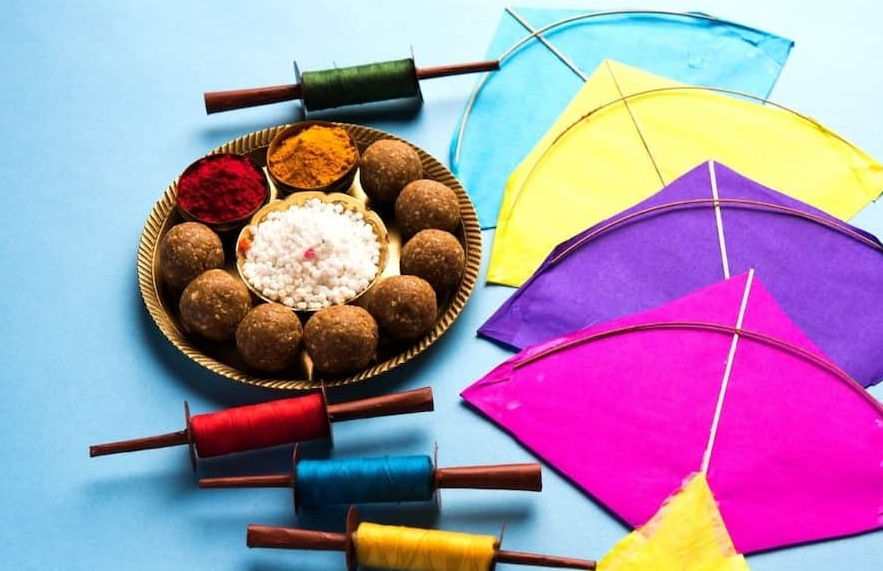
Makar Sankranti 2026 : Makar Sankranti festival is on January 14 in 2026. This festival marks the transit of the Sun into Capricorn and the beginning of the Sun's journey in the Northern Hemisphere, also known as Uttarayan.
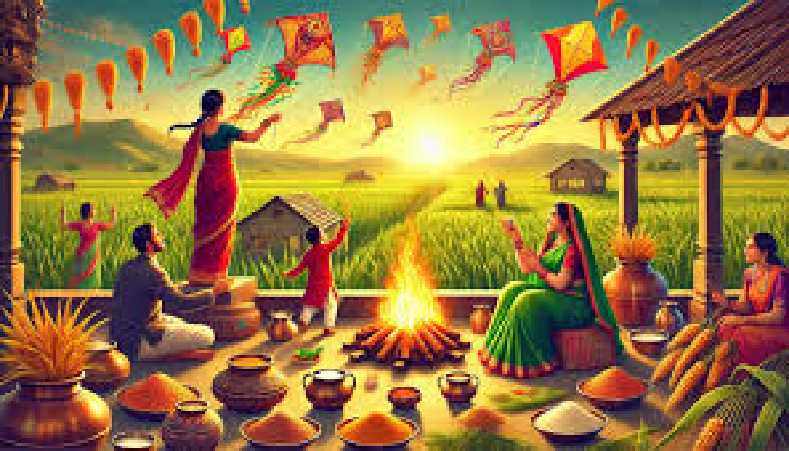
Makar Sankranti is on January 14 in 2026.
Makar Sankranti is one of the most important festivals in Hinduism and also marks the first day of the New Year. It is known by various names. In Bihar and Uttar Pradesh, it is called Makar Sankranti or Khichdi. In Punjab and Haryana, it is called Lohri, in Tamil Nadu, Pongal, and in Assam, it is called Magh Bihu or Bhogali Bihu.
People also celebrate Makar Sankranti as a traditional festival. Worshipping the Sun God is especially significant on this day. On this day, the Sun ends its journey in Sagittarius and enters Capricorn, the zodiac sign of Shani Dev. The Sun and Shani are father and son, yet they share a hostile relationship. It is said that on Makar Sankranti, the Sun visits Shani Dev.
Sometimes Makar Sankranti falls on January 14 and sometimes on January 15. Let's find out when Makar Sankranti will be celebrated in 2026 and what will be the auspicious time for bathing and donating.
When is Makar Sankranti in 2026 (Makar Sankranti 2026 Date Time)
- The festival of Makar Sankranti will be celebrated on Wednesday, January 14, in 2026.
- The auspicious time will be from 02:49 pm to 05:45 pm.
- Mahapunya Kaal Muhurta from 02:49 to 03:42 in the afternoon
- Punyakaal and Mahapunyakaal are considered auspicious times for bathing and donating.
Importance of bathing and donating on Makar Sankranti
Makar Sankranti is also considered an auspicious day for bathing and donating. On this day, people bathe in holy rivers, offer prayers to the Sun God, and then engage in charitable activities. Donations of warm clothes, blankets, jaggery, sesame seeds, and khichdi are especially recommended on this day.
Why is Makar Sankranti celebrated?
- Makar Sankranti has religious, natural, and astronomical significance. It is a Hindu festival that marks the beginning of the harvest season.
- Astronomically, it marks the end of the winter solstice and the beginning of longer days.
- According to astrology, on the day of Makar Sankranti, the Sun transits into Capricorn, and it also symbolizes the beginning of the Sun's journey in the Northern Hemisphere.
- In many places, it is also celebrated as a kite festival, where people fly kites from their rooftops.
Makar Sankranti is mentioned in the Mahabharata and the Puranas.
There are also mythological stories associated with the Makar Sankranti festival. The Mahabharata and the Puranas also mention this festival. The Mahabharata mentions the Pandavas celebrating Makar Sankranti. The Vedic sage Vishwamitra is also credited with the festival.
According to the legend, during the Mahabharata period, when Bhishma Pitamah was injured by Arjun's arrows, he did not choose death but remained lying on the bed of arrows for many days and waited for the Sun to move northwards for his death.
It is also said that on the day of Makar Sankranti, Gangaji followed Bhagiratha and joined the ocean after passing through Kapil Muni's ashram.
FAQs
Q. In which zodiac sign does the Sun transit during Makar Sankranti?
A. On Makar Sankranti, the Sun enters the Capricorn sign, which is called Makar Sankranti.
Q. Why is Makar Sankranti called the Khichdi festival?
A. Because on this day, there is the importance of making Khichdi with sesame seeds, rice, and donations.
Q. What happens by taking a bath on Makar Sankranti?
A. It is believed that bathing in a holy river on Makar Sankranti destroys sins.