LIFESTYLE
LPG Gas Saving Tips: Gas cylinder will last for 15 days longer, stop these mistakes in the kitchen today
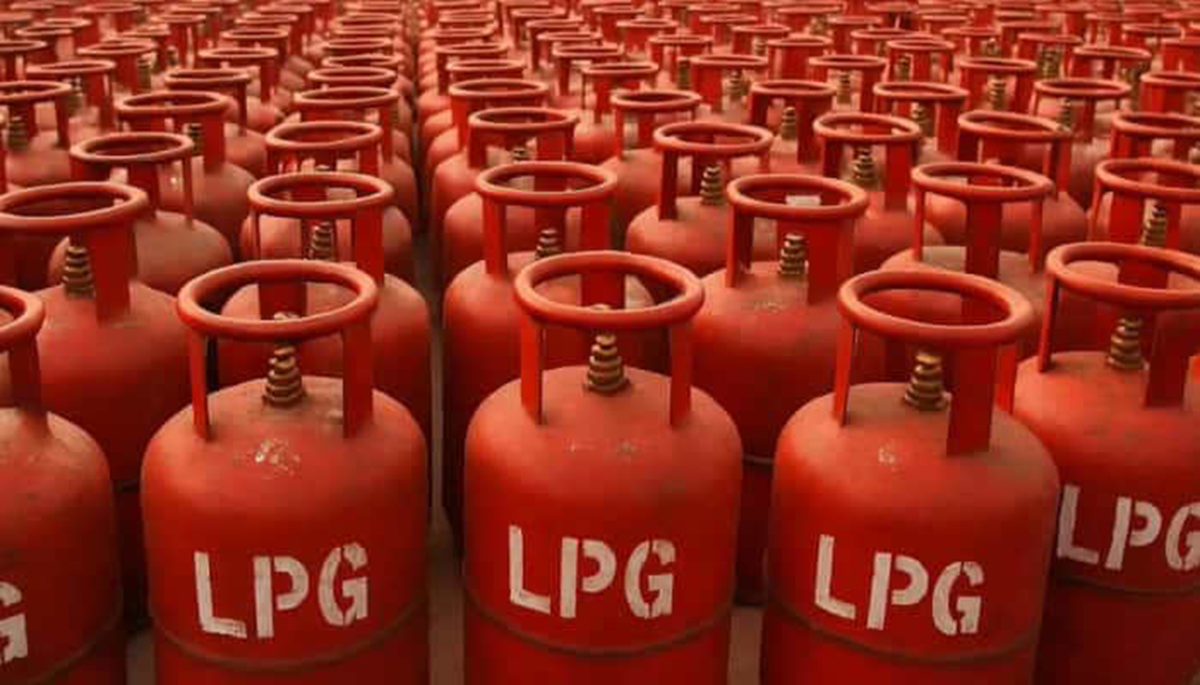
Kitchen Habits That Waste LPG Gas: If the cylinder runs out earlier than expected, it can ruin your monthly budget. Many people find that cooking more food is causing the gas to run out faster.
Easy home remedies to save LPG gas cylinder
How to Save LPG Gas Cylinder at Home: LPG gas cylinders are used daily for cooking. If the cylinder runs out earlier than expected, it can disrupt the monthly budget. Many people assume that cooking more often is causing the gas to run out faster, but this isn't always the case. Even small mistakes made daily in the kitchen can increase gas consumption.
Many times, we develop cooking habits that cause the gas to burn longer than necessary. Changing these habits can save LPG without making major changes to our cooking methods. There are three mistakes in particular that we should start paying attention to today.
Cook everything on high heat
In order to prepare food quickly, many people always keep the gas flame high. They believe that a high flame will cook food faster and save gas. However, high heat is not necessary for all types of food. When the flame is too high for the size of the vessel, the heat begins to escape from the sides. In this case, some of the heat is lost instead of reaching the food or vessel. This uses more gas, but the food is not cooked as quickly.
Therefore, when cooking, use medium or low heat as needed. Avoid continuously cooking vegetables, lentils, or other foods that require a long time. Lowering the heat after boiling can also help reduce gas consumption.
Light the gas and then start chopping vegetables.
This is a kitchen mistake that rarely gets noticed. Many people light the gas stove first and then proceed to chop vegetables, add spices, or prepare other ingredients. During this time, the burner remains on even though cooking hasn't even begun. A few minutes a day may not seem like much, but doing this every day can add up to a significant amount of gas consumption over a month.
Therefore, complete all preparations before lighting the stove. Cut vegetables, lay out spices and other necessary ingredients, and have the cooking vessel ready. Only then light the stove. This will prevent the burner from remaining on unnecessarily and save gas.
Do not cover the vessel while cooking
Leaving the pot uncovered while cooking can also increase gas consumption. Without a lid, heat and steam can escape rapidly. This can increase cooking times and require longer gas burn times. Where necessary, cover the pot while cooking. Covering the lid helps retain heat longer, allowing food to cook faster. This method can be especially useful for cooking lentils, vegetables, or boiling water.
However, it's not necessary to cook every dish covered. Avoid leaving milk or other foods that are prone to boiling over unattended. Use the lid judiciously.
To save gas, keep these small things in mind.
In addition to these three habits, it's also important to pay attention to burner cleanliness. If the burner holes are clogged with dirt or food particles, the flame cannot pass properly. Therefore, clean the burner regularly. Similarly, use the correct burner size for the vessel. Placing a small vessel on a burner that is too large can cause the flame to escape over the edges, wasting heat. Soaking items like lentils, chickpeas, and kidney beans before cooking can also be helpful. This can reduce cooking time and reduce the need for gas.