
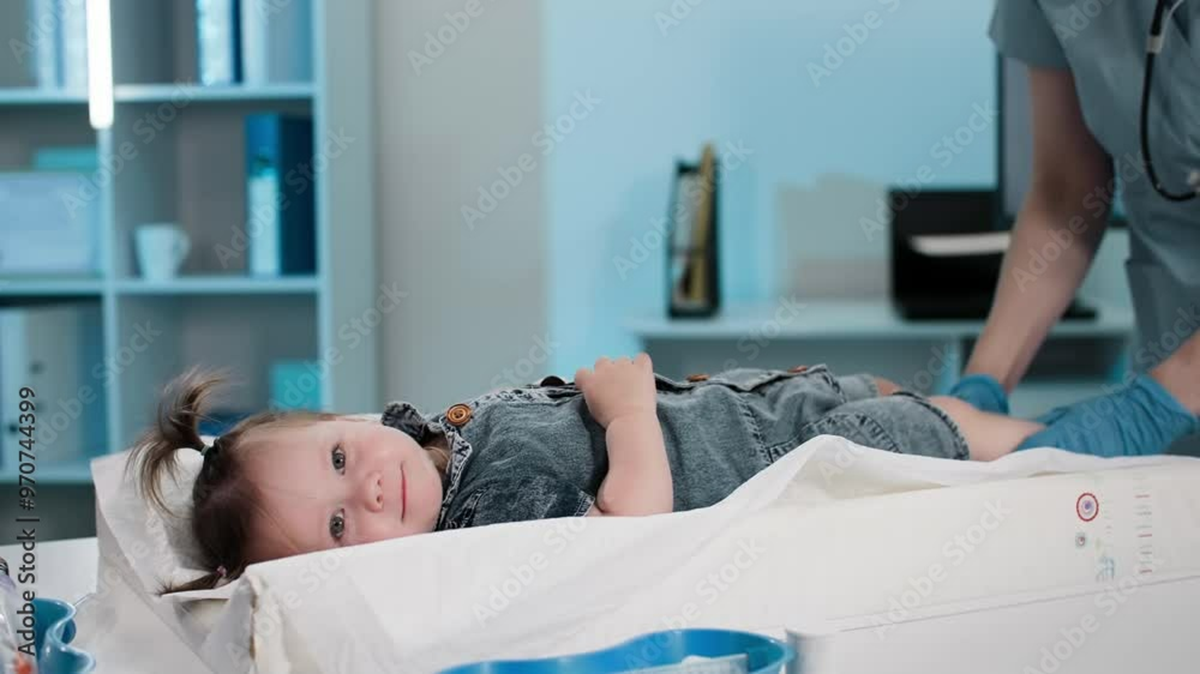
Arthritis: Many parents believe that children cannot develop arthritis. Moreover, even if no one in the family has joint disease, they are not overly concerned about the risk of developing it in their children.
Symptoms and causes of arthritis in children
Juvenile Idiopathic Arthritis in Children: When arthritis is mentioned, people often picture the elderly. This is why many parents assume that children can't develop arthritis. Furthermore, even if no one in the family has joint disease, they aren't particularly concerned about the risk for their child. However, the reality is that children can develop arthritis, and it doesn't necessarily require a family history of the condition.
World Osteoporosis Day is celebrated on October 20th, aiming to raise awareness about bone and joint problems. Dr. Anju Singh, consultant pediatric rheumatologist at Madhukar Rainbow Children's Hospital, explains that if a child experiences persistent joint pain, swelling, or stiffness, it shouldn't be dismissed as simply sports or fatigue. A child may have arthritis even if no one in the family has it.
Why does arthritis occur in children?
One of the most common types of arthritis in children is juvenile idiopathic arthritis. It is a group of inflammatory diseases that can begin before the age of 16. A specific cause is not yet known. Both body constitution and external circumstances may play a role.
In this disease, the body's immune system mistakenly attacks the joints. This can cause swelling, pain, and stiffness in the joints. It can also make it difficult for the child to move their arms and legs and perform normal activities. Interestingly, a child can develop arthritis even if no one in the family has arthritis.
Not every joint pain is arthritis
Pain or swelling in a child's joint doesn't always mean arthritis. Joint pain can also be caused by an injury, a fall, or excessive play. Some infections can also cause temporary joint problems. In some cases, a joint infection may also develop, requiring immediate treatment. Furthermore, other childhood illnesses can also affect joints. Therefore, if a child's joint pain or swelling persists, it's best not to dismiss it as simply fatigue or the effects of sports.
Do not ignore these symptoms at all
Children are not always able to express their problems clearly. Therefore, parents should pay attention to changes in their movement and daily behavior. If the child feels stiff for a long time after waking up in the morning or has difficulty walking after sitting for a while, this should be taken into account. Persistent swelling or warmth in the knees, ankles, and wrists can also be a sign. If the child is limping or avoiding putting weight on a leg without any injury, the cause should be investigated. If the child is not able to play as before, is having difficulty climbing stairs, or is having difficulty bending and straightening a joint, it is best to consult a doctor.
Persistent fatigue can also be a sign. While these symptoms don't necessarily mean a child has arthritis, if they persist for a long time or occur frequently, it's important to have your child evaluated.
If you have a fever and swelling in your joint, consult a doctor immediately.
If a child's joint becomes hot and swollen, accompanied by fever, severe pain, or difficulty putting weight on the leg, a doctor should be consulted immediately. In such cases, the joint may be infected, and prompt treatment is essential.
How is arthritis diagnosed in children?
During a child's examination, the doctor first gathers a complete history, including the duration of the pain or swelling, the duration of morning stiffness, and any changes in the child's movement. Next, the joints are examined and their movement monitored. If necessary, blood tests can detect signs of inflammation in the body. In some cases, ultrasound or MRI may be used to better understand the joint condition. However, a single test is not sufficient to confirm or completely rule out arthritis. After the examination, the child may be referred to a paediatric joint specialist and other related diseases, if necessary.
Why is timely treatment important?
During childhood, bones and joints are constantly developing. If inflammation persists for a long time and is not treated properly, it can damage the joints and, in some cases, even affect the child's growth.
Treatment is tailored to the condition. This may include medications to reduce inflammation and pain, medications to control the disease, and exercise therapy to improve physical activity. Regular check-ups are often necessary to monitor the child's condition to ensure joint inflammation remains under control.
Eye examination is also necessary
In some children, arthritis can also be accompanied by eye inflammation. Importantly, eye inflammation doesn't always have obvious symptoms. Therefore, regular eye exams, as recommended by your doctor, may be necessary.
How can parents take care of their child?
There's no definitive way to prevent this disease in children, as its exact causes are unclear. Therefore, it's important for parents to monitor their child's symptoms. If your child has swollen joints, morning stiffness, fever, or changes in gait, note these symptoms. Providing this information to your doctor can help them diagnose and understand the condition.