NEWS
LPG Delivery Scam Alert! HP Gas, Indane and Bharat Gas Warn Customers About Fake OTP and DAC Fraud
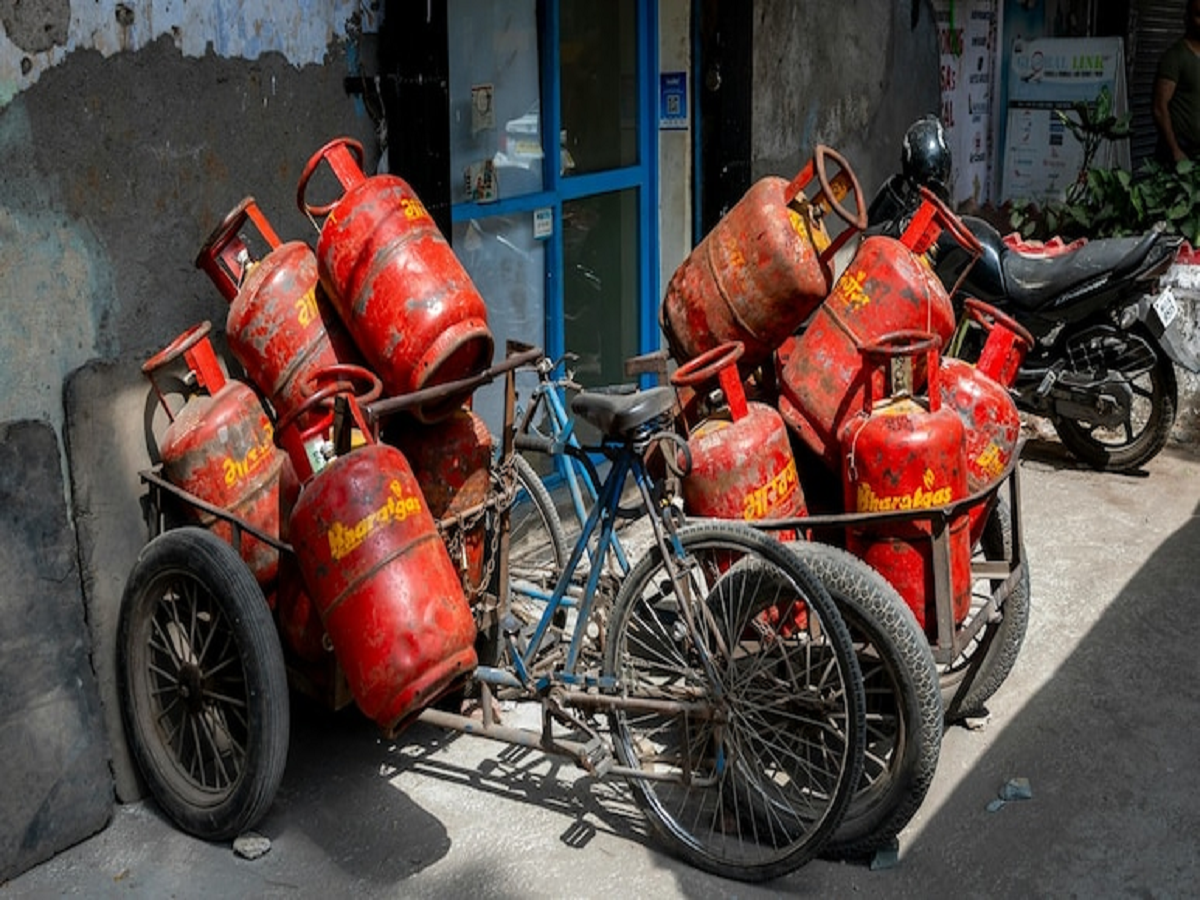
Customers using domestic LPG cylinders have been issued an important warning by HP Gas, Indane and Bharat Gas after a rise in cyber fraud cases linked to the new LPG delivery verification system.
Gas companies say scammers are now targeting customers through fake delivery messages, suspicious links, and fraudulent OTP requests in the name of LPG cylinder delivery.
The warning comes after the rollout of the new DAC-based LPG delivery authentication process across several regions in India.
What Is the New DAC System for LPG Delivery?
To improve transparency and ensure cylinders are delivered to the correct customer, LPG companies have introduced:
- DAC (Delivery Authentication Code)
This works like a security OTP sent to the customer’s registered mobile number after booking a gas cylinder.
Under the system:
- The customer books an LPG cylinder
- A DAC code is sent via SMS
- The delivery executive asks for the code at the time of delivery
- Delivery is completed only after verification
Officials say the system helps prevent:
- Wrong deliveries
- Fake delivery claims
- Unauthorized cylinder handovers
- Delivery manipulation
Why Have LPG Companies Issued a Fraud Alert?
According to HP Gas, cybercriminals are now misusing the DAC system to trick customers into sharing OTPs and personal details.
Fraudsters are reportedly:
- Sending fake LPG delivery messages
- Pretending to be gas agency staff
- Calling customers for “verification”
- Asking for OTP or DAC codes
- Sharing suspicious WhatsApp links
The company warned customers not to trust unknown messages or urgent requests demanding immediate action.
How to Identify an Official HP Gas Message
HP Gas clarified that genuine DAC messages come only from the official sender ID:
- VM-HPGASc-S
The official message contains:
- Booking number
- Invoice number
- DAC code
The DAC is meant to be shared only when the delivery executive arrives with the cylinder at your home.
Companies Will Never Ask for OTP on Calls or WhatsApp
LPG providers have clearly stated:
- No employee asks for OTP over phone calls
- No DAC should be shared through WhatsApp
- No official link is sent for OTP verification
Customers have been advised to immediately ignore:
- Unknown links
- Suspicious SMS
- Urgent payment requests
- Fake customer care calls
Important Safety Tips for LPG Customers
Gas companies have asked users to follow a few essential precautions:
Before Sharing DAC
- Confirm that you actually booked a cylinder
- Check whether the message matches your booking details
Verify the Message
The SMS should include:
- Booking number
- Invoice details
- DAC code
Share Code Only During Delivery
Never share:
- DAC
- OTP
- Verification code
before the delivery person physically arrives at your home with the cylinder.
WhatsApp and Fake Link Scams Increasing
Cyber experts say many scammers now send:
- Fake WhatsApp links
- APK download links
- Payment verification messages
to steal banking details or gain remote access to smartphones.
Customers are strongly advised:
- Never click unknown LPG-related links
- Avoid downloading unofficial apps
- Do not share banking information
Indane and Bharat Gas Also Issue Advisory
Indane and Bharat Gas have also released customer advisories.
According to the companies:
- Genuine Indane messages generally come from IDs like VK-INDANE or VM-INDANE
- Official messages follow a fixed format
- Suspicious messages demanding urgent action should be ignored immediately
What Should Customers Do If They Receive a Suspicious Message?
If you receive a suspicious LPG-related message:
- Do not share OTP or DAC
- Avoid clicking links
- Contact your official gas agency
- Call the company’s customer care helpline
- Report suspected fraud immediately
LPG Delivery Process Becoming More Secure
The DAC system was introduced to make LPG delivery:
- Safer
- More transparent
- Digitally verified
However, officials say customer awareness is equally important because scammers quickly adapt to new systems.
Experts say a small mistake—like sharing an OTP with the wrong person—could lead to:
- Financial fraud
- Data theft
- Unauthorized account access
Customers are therefore being urged to stay alert and verify every LPG-related communication carefully.