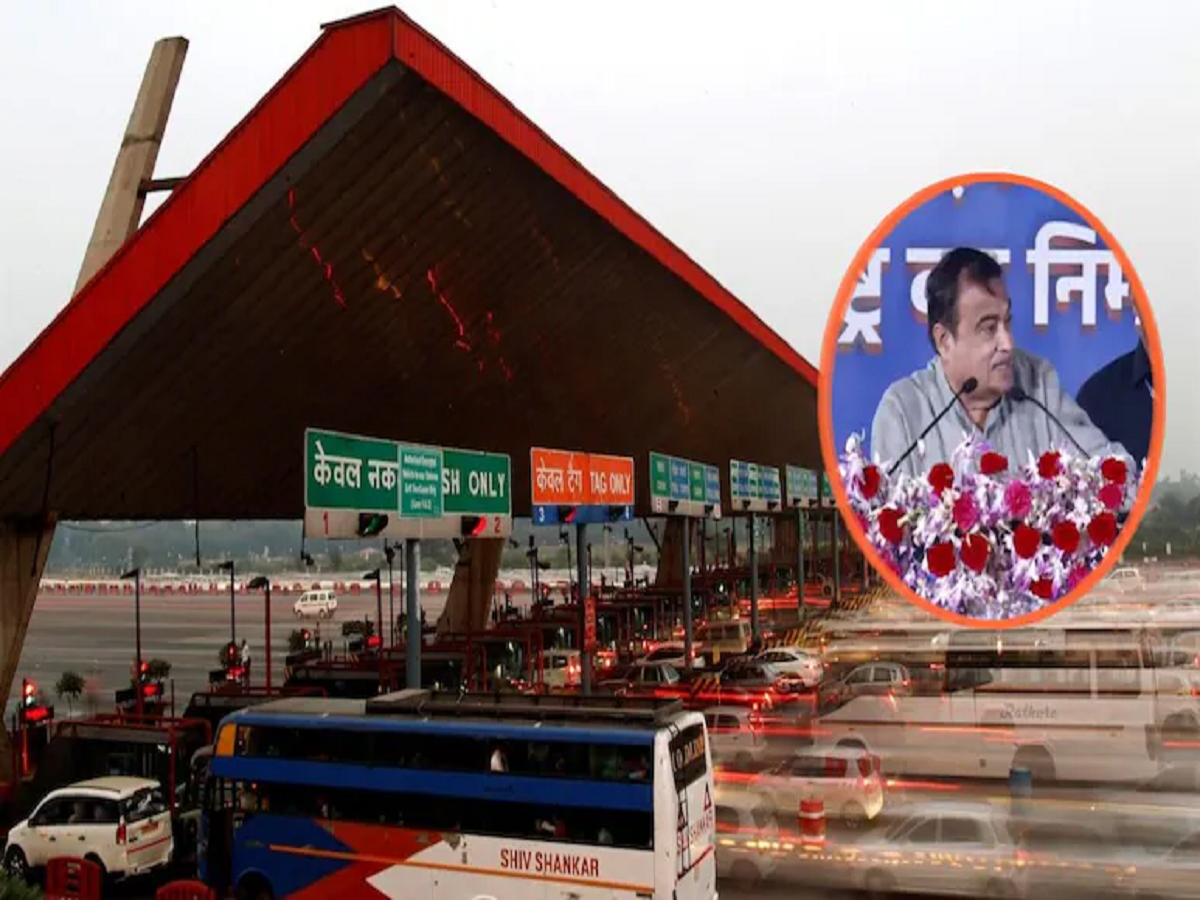
Traveling in Delhi is set to become faster and smoother as a new smart barrier-less toll collection system has officially started operations in the national capital.
Under the new technology, vehicles will no longer need to stop at toll plazas or wait for barriers to open. Instead, toll charges will be deducted automatically while vehicles continue moving without interruption.
The system has now been launched at the Mundka-Bakkarwala toll plaza on Urban Extension Road-II by Union Road Transport and Highways Minister Nitin Gadkari.
With this rollout, Delhi has become the second city in India to introduce the advanced Multi-Lane Free Flow (MLFF) toll technology.
What Is the Barrier-Less Toll System?
The new setup uses:
- High-speed cameras
- FASTag scanners
- Smart vehicle sensors
to collect toll payments automatically.
Unlike traditional toll plazas, the new system does not use physical barriers.
Vehicles can continue moving while:
- Cameras read the vehicle number plate
- FASTag details are scanned
- Toll amount gets deducted automatically
This technology is known as:
- Multi-Lane Free Flow (MLFF)
and is designed to reduce congestion and improve traffic flow on highways.
How MLFF Technology Works
Under the MLFF system:
- Vehicles enter the toll zone without stopping
- Cameras scan the number plate
- FASTag gets detected automatically
- Toll amount is deducted digitally
- Vehicle exits without waiting at a barrier
Officials say the technology significantly reduces waiting time at toll plazas.
Delhi Becomes India’s Second City With MLFF System
Before Delhi, the MLFF barrier-free toll technology had already been introduced on the:
- Surat–Bharuch Highway in Gujarat
Now, the latest rollout at Mundka-Bakkarwala marks a major step in India’s smart highway modernization project.
Major Benefits for Travelers
According to National Highways Authority of India (NHAI), the new system is expected to provide several advantages.
Key Benefits Include:
- No long queues at toll plazas
- Faster travel time
- Reduced fuel consumption
- Lower traffic congestion
- Less stop-and-go driving
- Reduced vehicle emissions
Officials believe the technology could improve daily travel experiences for lakhs of commuters.
Less Fuel Waste and Lower Pollution
Experts say traditional toll plazas often lead to:
- Long vehicle idling
- Traffic bottlenecks
- Fuel wastage
- Increased air pollution
The new MLFF system aims to solve these issues by keeping traffic moving continuously.
NHAI Plans Nationwide Expansion
National Highways Authority of India is now planning to expand the smart toll technology across multiple states.
States Expected to Get MLFF System by September 2026
- Haryana
- Rajasthan
- Tamil Nadu
- Karnataka
- Maharashtra
- Assam
Officials say around:
- 17 toll plazas
are expected to adopt the system in the first phase.
Later, more than:
- 100 additional toll plazas
could also be upgraded.
Important Rules Vehicle Owners Must Follow
NHAI has advised drivers to keep certain things updated to avoid penalties or payment failures.
FASTag Balance Must Be Active
Drivers should ensure:
- FASTag remains active
- Sufficient balance is available
If payment fails, authorities may issue:
- Electronic notices (e-notices)
72-Hour Payment Window
According to officials:
- Pending toll payments must be cleared within 72 hours
Failure to pay within the deadline could result in:
- Double toll charges
- Additional penalties
HSRP Number Plate Is Important
Authorities have also stressed the importance of:
- High Security Registration Plates (HSRP)
Since the system depends heavily on automatic camera scanning, properly visible HSRP plates are necessary for smooth toll detection.
Smart Highway Network Expansion Begins
The launch of the MLFF barrier-free toll system is being seen as a major step toward building a smarter and more digitally connected highway network across India.
Transport experts believe that if implemented successfully nationwide, the system could:
- Save travel time
- Reduce fuel costs
- Improve highway efficiency
- Minimize congestion
for millions of daily commuters and commercial vehicle operators.