Business
LPG Cylinder Rules From December 1: Five Important Updates on Subsidy, Refill Booking, e-KYC and Gas Delivery
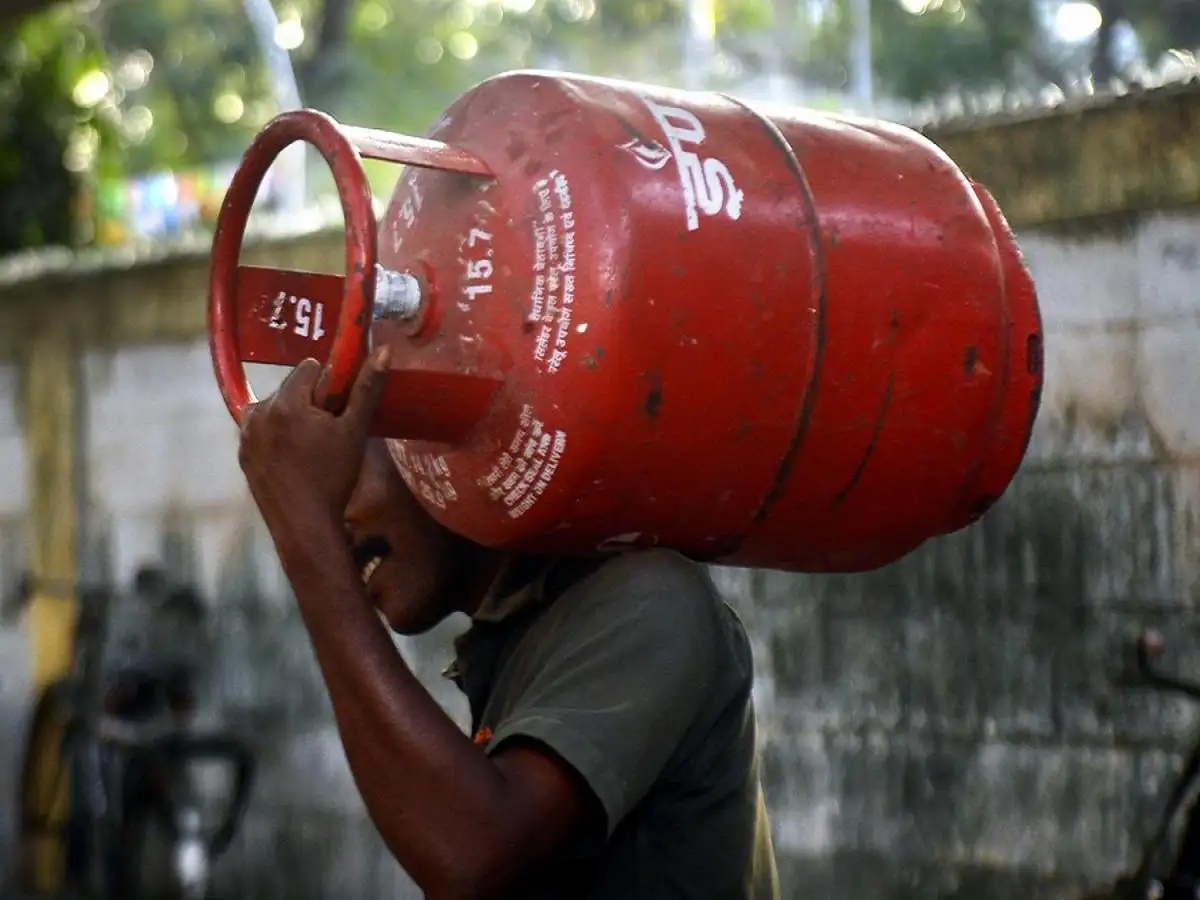
LPG Cylinder Rules December 2026: Millions of Indian households depend on liquefied petroleum gas (LPG) for their daily cooking requirements. Any change in cylinder prices, subsidy eligibility, refill booking procedures or delivery verification can directly affect household expenses and convenience.
Ahead of December 1, 2026, several LPG-related provisions have come into focus. These include Aadhaar-based biometric verification, restrictions concerning simultaneous PNG and LPG connections, refill booking intervals and OTP-based cylinder delivery.
Consumers should familiarise themselves with these provisions to avoid potential interruptions in subsidy payments or difficulties while booking cooking gas.
However, customers should note that some of these provisions may already be operational, and their applicability can vary depending on official guidelines and the respective oil marketing company.
Here are five important LPG-related rules and facilities consumers should know about before December begins.
1. Complete Aadhaar-Based e-KYC to Avoid Subsidy Disruptions
Consumers receiving LPG subsidy benefits should ensure that their Aadhaar-based biometric electronic Know Your Customer (e-KYC) verification has been completed.
The verification process helps oil marketing companies authenticate beneficiaries and maintain accurate customer records.
Customers who have already completed the required biometric verification generally do not need to repeat the process unless specifically instructed by their gas provider.
Those with pending verification should check their status through authorised channels and complete the necessary formalities.
Failure to complete e-KYC could affect subsidy disbursement for eligible beneficiaries. However, a pending e-KYC status alone does not automatically mean that an existing LPG connection will be cancelled.
Consumers can contact their authorised LPG distributor or use supported digital verification facilities offered by their respective gas company.
2. Separate Rules for Households Using PNG and LPG Connections
With piped natural gas (PNG) becoming increasingly available across Indian cities, households switching to this cooking fuel should understand the applicable rules concerning their existing domestic LPG connections.
Under relevant government guidelines, consumers with an operational PNG connection may face restrictions on retaining or using a domestic LPG connection at the same residential address.
Depending on the applicable provisions, customers may be required to surrender their existing LPG connection after switching to PNG.
However, certain exceptions or alternative arrangements may be available under authorised guidelines.
Households planning to switch to piped gas should contact their LPG distributor and PNG service provider to understand the surrender procedure, applicable deadlines and refund of any eligible security deposit.
3. Refill Booking Interval: Check the Reported 25-Day Requirement
The original media report mentions a minimum interval of 25 days between consecutive domestic LPG refill bookings for consumers covered by the relevant restrictions.
Such booking restrictions are intended to discourage unnecessary cylinder purchases, prevent diversion of domestic cooking gas and ensure adequate availability for genuine household requirements.
However, consumers should not assume that a uniform 25-day booking restriction applies to every LPG connection across India.
Booking eligibility may depend on the applicable government directions, distributor policies and oil marketing company guidelines.
Customers should check their next eligible booking date through their gas provider's official application, website or customer support service.
Planning refill requirements in advance can help households avoid unexpected difficulties when their existing cylinder runs out.
4. OTP-Based Cylinder Delivery for Greater Security
Oil marketing companies use delivery authentication systems to help ensure that LPG cylinders reach the intended customers.
Under the OTP-based delivery mechanism, also known as the Delivery Authentication Code (DAC) system, a verification code may be sent to the consumer's registered mobile number.
The delivery verification process generally works as follows:
- The consumer places an LPG refill booking.
- A delivery authentication code is sent to the registered mobile number.
- The delivery agent arrives with the booked cylinder.
- The consumer provides the delivery code after confirming receipt of the cylinder.
- The delivery is recorded as successfully completed.
Customers should ensure that their registered mobile number remains active and updated in the LPG provider's records.
For security reasons, consumers should share only the relevant delivery authentication code with the authorised delivery agent at the time of receiving the cylinder. Banking OTPs, UPI PINs and other confidential credentials should never be disclosed.
5. Smaller LPG Cylinders Available for Low-Consumption Households
Consumers who do not require a standard 14.2 kg domestic LPG cylinder may explore smaller cooking gas alternatives.
Depending on the oil marketing company, local availability and applicable regulations, smaller cylinders with capacities of 5 kg or 10 kg may be available through authorised distribution channels.
These options may be particularly useful for students, individuals living alone, small households and people residing in temporary accommodation.
Smaller LPG cylinders are generally available under specific commercial or non-subsidised arrangements. Consumers should confirm their prices, refill availability and connection requirements before purchasing.
LPG Cylinder Updates December 2026: Key Highlights
| LPG-Related Provision | Important Information |
|---|---|
| Aadhaar biometric e-KYC | Consumers should complete pending verification |
| Existing e-KYC | Repeat verification generally not required unless instructed |
| LPG subsidy | Pending verification could affect eligible subsidy payments |
| PNG and LPG connections | Restrictions may apply to simultaneous connections |
| Refill booking interval | Reported 25-day requirement; confirm applicability |
| Delivery authentication | OTP or DAC verification where applicable |
| Registered mobile number | Must remain active and updated |
| Smaller cylinders | 5 kg and 10 kg options, subject to availability |
Will LPG Cylinder Prices Change on December 1?
Oil marketing companies periodically review LPG cylinder prices, with revisions frequently announced at the beginning of a month.
Domestic and commercial LPG prices may be influenced by international energy prices, exchange rates, transportation expenses and government policies.
However, consumers should wait for an official announcement before assuming that cooking gas prices will increase or decrease on December 1, 2026.
Any confirmed price revision can be checked through the official websites of Indian Oil, Bharat Petroleum and Hindustan Petroleum or by contacting an authorised LPG distributor.
What LPG Consumers Should Do Before December 1
Households should verify their e-KYC status, update their registered mobile numbers, check subsidy eligibility and confirm the applicable refill booking requirements.
Consumers should rely exclusively on authorised gas distributors and official oil marketing company platforms for information regarding LPG connections, subsidy payments and cylinder delivery.
Staying informed about applicable LPG regulations can help households manage their cooking gas requirements efficiently while avoiding unnecessary expenses and service interruptions.
Disclaimer: This article is based on the original media report. No official notification confirming that all five provisions will newly come into effect on December 1, 2026, has been independently verified. Consumers should confirm the latest rules, booking restrictions and subsidy requirements with their respective LPG providers.