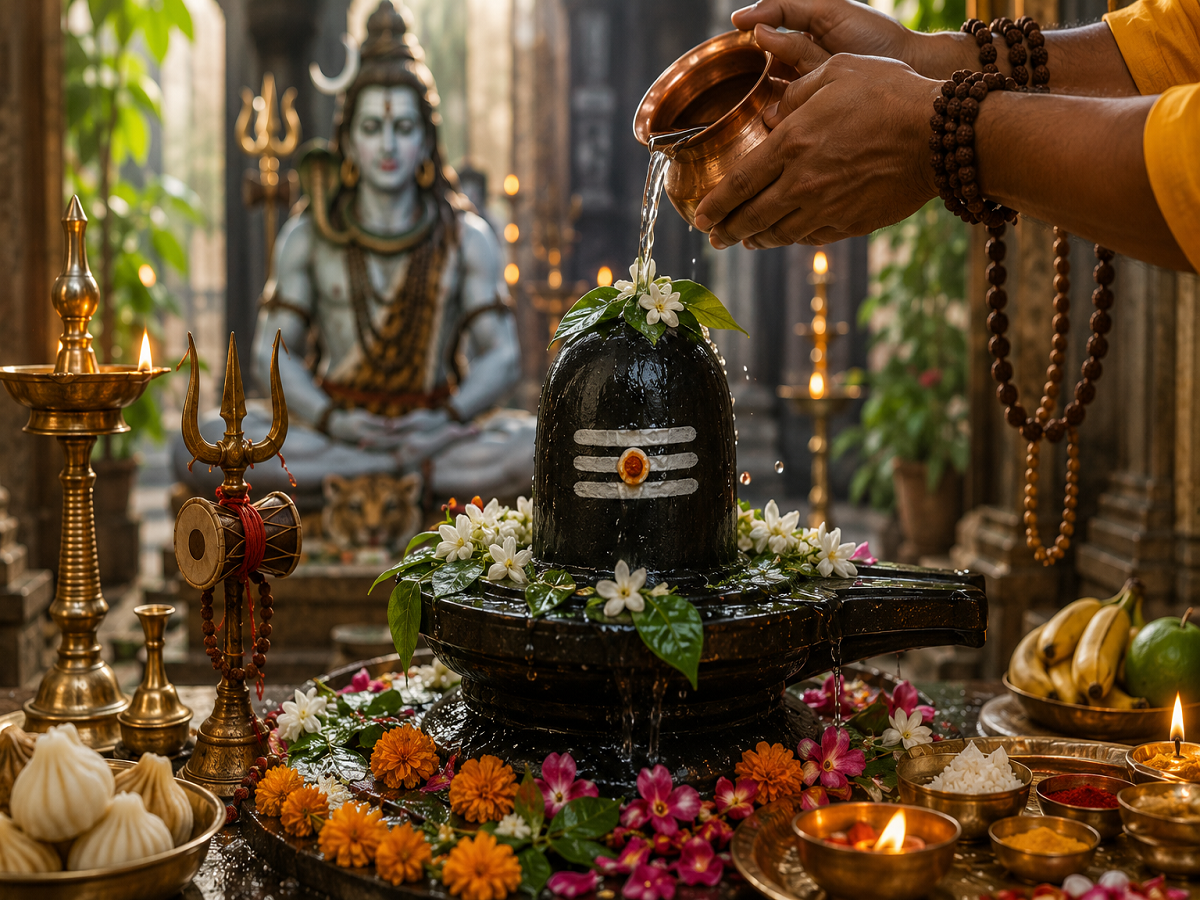
The last Sawan Somwar of 2026 is being observed today, August 24, making it an important day for devotees of Lord Shiva. The final Monday of the holy month of Shravan is traditionally considered a special opportunity to perform Shiva Puja, Jalabhishek, mantra chanting and other devotional rituals.
This year's final Sawan Monday has attracted additional attention because several auspicious astrological combinations are associated with the day. Panchang-based reports mention combinations including Preeti Yoga and Ayushman Yoga, while other favourable yogas are also being highlighted for worship and spiritual practices. (Maharashtra Times)
For devotees who were unable to observe the earlier Sawan Monday fasts or perform Jalabhishek during the month, August 24 offers another opportunity to worship Mahadev before Shravan concludes. Sawan is scheduled to end on August 28, 2026, with Shravan Purnima. (The Times of India)
Last Sawan Somwar 2026: Why August 24 Is Special
Monday is traditionally dedicated to Lord Shiva, and its significance increases during the month of Sawan. Devotees commonly observe fasts, visit Shiva temples and offer water, milk and Bel Patra to the Shivling.
August 24 is the fourth and final Sawan Monday of 2026. According to traditional beliefs, worshipping Lord Shiva with devotion on the final Monday is considered especially meaningful for those who could not properly observe the earlier Mondays of the month. (The Times of India)
The Panchang for August 24 also places the day in Shravan Shukla Paksha. Religious observances and Shiva worship are therefore expected to remain the focus for devotees throughout the day. (Navbharat Times)
Sawan Last Somwar Jalabhishek Muhurat
Devotees can perform Shiva worship at different times during the day, but certain periods are traditionally considered particularly auspicious.
One published Panchang-based schedule lists the following favourable morning periods:
Amrit Choghadiya: 5:55 AM to 7:32 AM
Shubh Choghadiya: 9:09 AM to 10:46 AM
The period from around 11 AM to 1 PM has also been suggested for Jalabhishek and Rudrabhishek on the final Sawan Monday. (ABP Live English)
Devotees may also perform evening worship, chant Shiva mantras and participate in aarti.
Muhurat timings can vary slightly depending on the city and local sunrise, so devotees following a precise Panchang should check timings applicable to their location.
Auspicious Yogas Make the Day More Significant
Several astrological combinations are being associated with the final Sawan Monday.
Panchang reports highlight Preeti Yoga and Ayushman Yoga on August 24. Such combinations are traditionally regarded as favourable for worship, spiritual practices and other auspicious activities. (Maharashtra Times)
Another astrological assessment mentions the presence of Budhaditya Yoga due to the Sun-Mercury combination, along with Hansa Rajyoga and Preeti Yoga. (ABP Live English)
From a religious perspective, however, devotees generally consider faith and devotion more important than complicated planetary calculations while performing Shiva Puja.
How to Perform Jalabhishek on the Last Sawan Monday
Devotees can begin the day by bathing and wearing clean clothes before starting their prayers.
A Shivling may first be offered clean water as part of Jalabhishek. Depending on family tradition and religious practice, devotees may also make other customary offerings.
Bel Patra is one of the most commonly offered items during Shiva worship. Devotees can offer it while chanting Lord Shiva's name.
The mantra “Om Namah Shivaya” is also traditionally chanted during Sawan worship. Chanting it 108 times is among the devotional practices associated with the final Sawan Monday. (The Times of India)
Flowers and other traditional puja items may then be offered before concluding the worship with prayers and aarti.
What Can Be Offered to Lord Shiva?
The simplest offering for Shiva Jalabhishek is clean water. Many devotees also use milk and other traditional ingredients according to their family customs and religious practices.
Bel Patra holds particular importance in Shiva worship and is widely offered during Sawan. (The Times of India)
Devotees should keep the worship simple and respectful. Expensive offerings are not necessary; religious tradition places greater emphasis on devotion and sincerity.
What Should Those Observing Sawan Somwar Vrat Do?
People observing the Sawan Monday fast generally begin the day after bathing and taking a sankalp for the vrat.
They may perform Shiva Puja in the morning and spend time chanting mantras, reading religious texts or visiting a Shiva temple.
Fasting practices vary between families and regions. Some devotees observe a complete fast, while others consume fruits, milk or foods permitted during vrat.
Those with medical conditions, pregnant women, elderly people and anyone taking regular medication should prioritise their health and follow medical advice rather than undertaking a restrictive fast.
Missed the Earlier Sawan Mondays? You Can Worship Today
The final Monday is also considered meaningful for devotees who were unable to observe the previous Sawan Somwar fasts.
Traditional religious interpretations suggest that such devotees can perform Jalabhishek, offer prayers and worship Lord Shiva sincerely on the final Monday. (ABP Live English)
This does not mean that one day's worship literally substitutes for every earlier ritual. Rather, the final Monday is traditionally viewed as another spiritually significant opportunity to participate in Sawan worship before the month concludes.
Sawan Will End on August 28
The final Monday does not mark the end of the Shravan month itself.
In 2026, Sawan is set to conclude on Friday, August 28, on Shravan Purnima, which also coincides with Raksha Bandhan. (The Times of India)
Until then, devotees may continue Shiva worship, mantra chanting, charity and other religious practices associated with the holy month.
For Shiva devotees, however, August 24 holds special significance as the last Sawan Somwar of 2026. Whether worship is performed at home or in a temple, devotees traditionally believe that offering water to the Shivling, chanting “Om Namah Shivaya” and praying with devotion can make the final Monday of Sawan spiritually meaningful.
Disclaimer: This article is based on religious traditions, Panchang calculations and astrological beliefs. Rituals and muhurat timings can vary according to region, tradition and local Panchang. Readers may consult a knowledgeable priest or their local Panchang for location-specific timings.