NEWS
Lashkar Deputy Chief Issues Warning Over Israel Ties, Raising Fresh Security Concerns in Pakistan
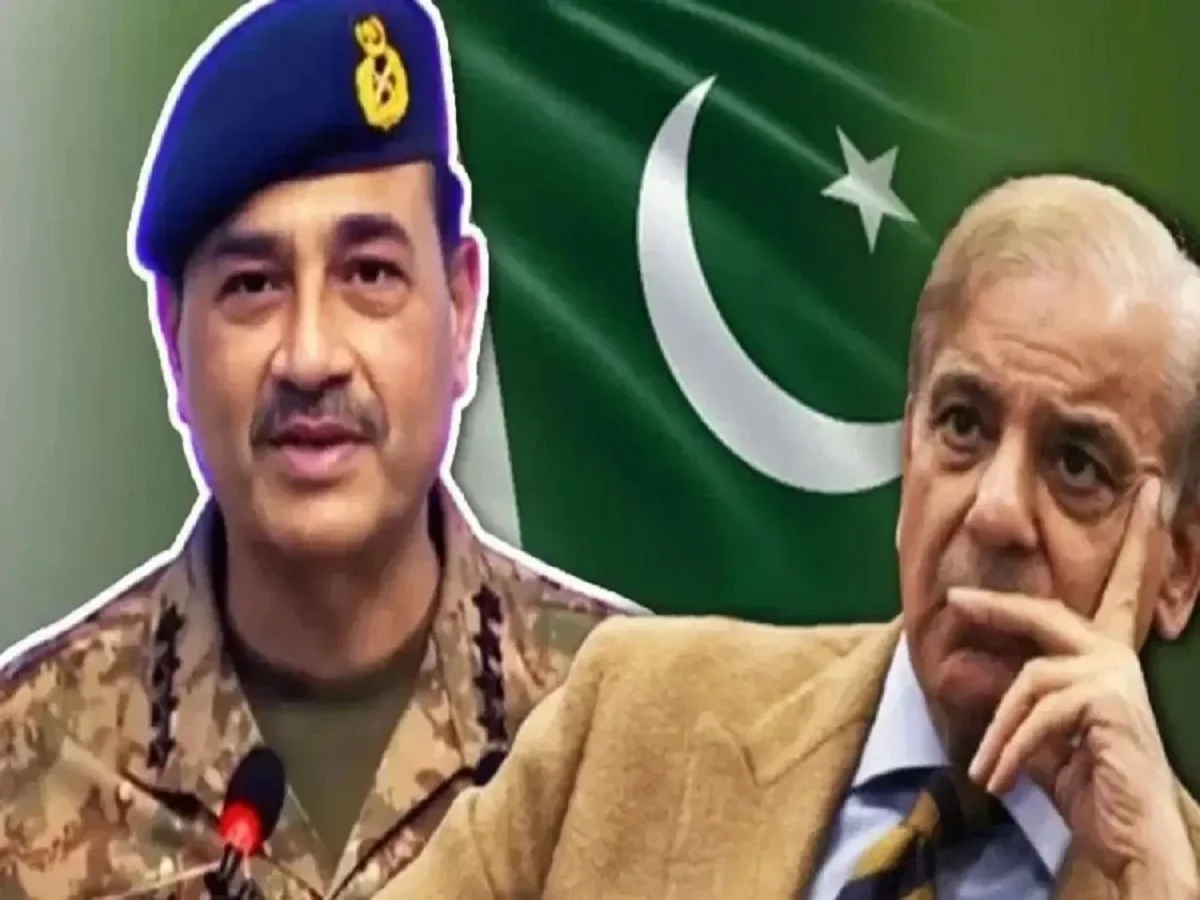
Pakistan has once again found itself at the center of a political and security debate after a senior leader of the militant group Lashkar-e-Taiba reportedly issued a strong warning regarding any future move to normalize relations with Israel. The remarks have sparked widespread discussion about the influence of extremist organizations within the country and the challenges facing Pakistan's political leadership.
The controversy comes amid ongoing international conversations surrounding diplomatic relations between Israel and Muslim-majority nations, as well as renewed speculation about whether Pakistan could reconsider its long-standing position on the issue in the future.
Militant Leader's Remarks Trigger Political Debate
According to reports, Saifullah Kasuri, identified as a senior figure associated with Lashkar-e-Taiba, made statements directed at Pakistan's political and military leadership. In his remarks, he reportedly warned against any effort to support or establish formal diplomatic relations with Israel.
The comments were aimed at key decision-makers in Pakistan and quickly attracted attention across political circles, security analysts, and media platforms. Observers noted that the statement reflects the sensitivity of the Israel-Pakistan issue and the strong reactions it continues to generate among various groups.
The warning has reignited discussions about the role extremist organizations continue to play in shaping public narratives and influencing political debates within the country.
Debate Over Israel Relations Continues
Pakistan has historically not maintained formal diplomatic relations with Israel and has consistently linked its position to developments surrounding the Palestinian issue. However, discussions occasionally emerge regarding whether changing geopolitical realities could influence Islamabad's future approach.
The latest controversy surfaced as conversations surrounding the expansion of the Abraham Accords continue in international diplomatic circles. The Abraham Accords, first introduced in 2020, led several countries in the Middle East to establish formal relations with Israel, reshaping regional diplomatic dynamics.
While Pakistan has repeatedly maintained its existing stance, speculation regarding potential future policy shifts periodically generates political debate both domestically and internationally.
Concerns Over Influence of Extremist Organizations
Security experts believe the latest remarks highlight broader concerns about the influence and visibility of radical groups within Pakistan. The incident has prompted renewed scrutiny of how such organizations continue to attract attention through public statements and political messaging.
Analysts argue that extremist groups often attempt to shape national conversations by positioning themselves as defenders of ideological causes. Such interventions can create additional pressure on governments dealing with complex domestic and international challenges.
The controversy has also fueled discussion about Pakistan's internal security environment and the ongoing efforts required to counter radicalization and extremist narratives.
Growing Questions About Internal Stability
The incident has revived concerns among observers regarding the relationship between militant organizations and the state's broader security framework. Critics argue that strong public statements from extremist figures can undermine confidence in institutional authority and raise questions about the government's ability to control radical elements.
Political commentators note that maintaining stability requires not only effective security measures but also long-term strategies focused on education, economic development, and counter-extremism initiatives.
The debate has become particularly significant at a time when Pakistan continues to face economic pressures, political challenges, and security concerns across various regions.
International Context Adds to the Discussion
The controversy also emerged against the backdrop of comments made by former U.S. President Donald Trump regarding the future expansion of the Abraham Accords. Trump has previously encouraged additional Muslim-majority nations to consider diplomatic engagement with Israel as part of broader regional peace efforts.
In public statements, he suggested that expanding participation in the accords could contribute to greater regional cooperation and stability. Countries frequently mentioned in these discussions include Saudi Arabia, Qatar, Turkey, Egypt, Jordan, and Pakistan.
However, each nation maintains its own foreign policy priorities and domestic considerations, making any potential policy change a complex and highly sensitive issue.
Pakistan Maintains Its Established Position
Despite periodic international discussions, Pakistan has consistently stated that its position on Israel remains tied to developments related to Palestinian statehood and broader regional peace efforts. Government officials have repeatedly emphasized that any policy decisions would be based on national interests and established diplomatic principles.
The latest controversy serves as a reminder of how deeply emotional and politically sensitive the issue remains within Pakistan. It also highlights the ongoing challenge governments face when balancing foreign policy decisions with domestic political realities.
As regional diplomacy continues to evolve, debates surrounding Pakistan's relationship with Israel are likely to remain a topic of public and political discussion. For now, however, the country's official stance remains unchanged, even as the latest remarks from a militant leader generate fresh controversy and renewed security concerns.