FOOD & RECIPE
Ker Sangri Sabzi: How to make Rajasthan's famous sweet and sour Ker Sangri vegetable at home!
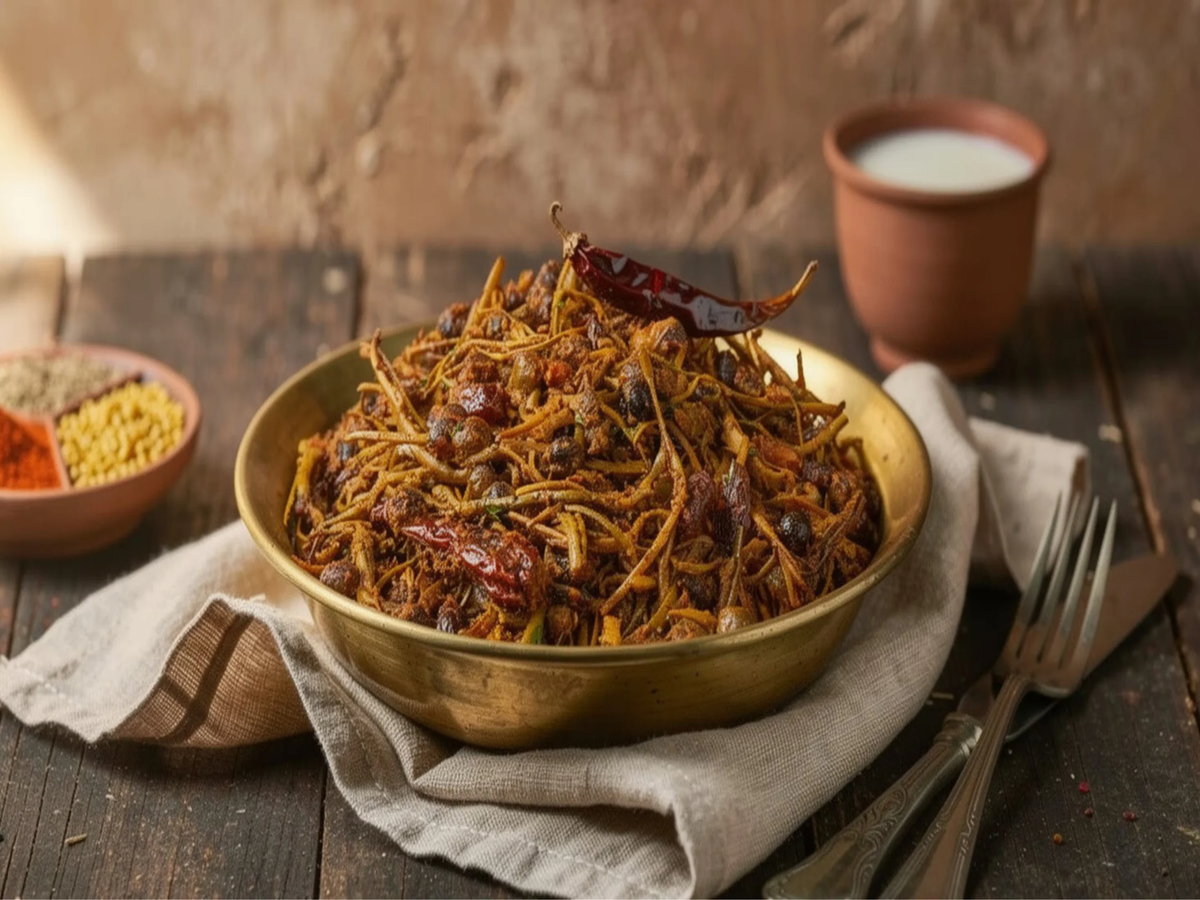
Rajasthani Ker Sangri: We often remember dishes like dal-baati-churma, gatta ki sabji, or laal maas from Rajasthan. But Rajasthani traditional cuisine isn't limited to these dishes alone.
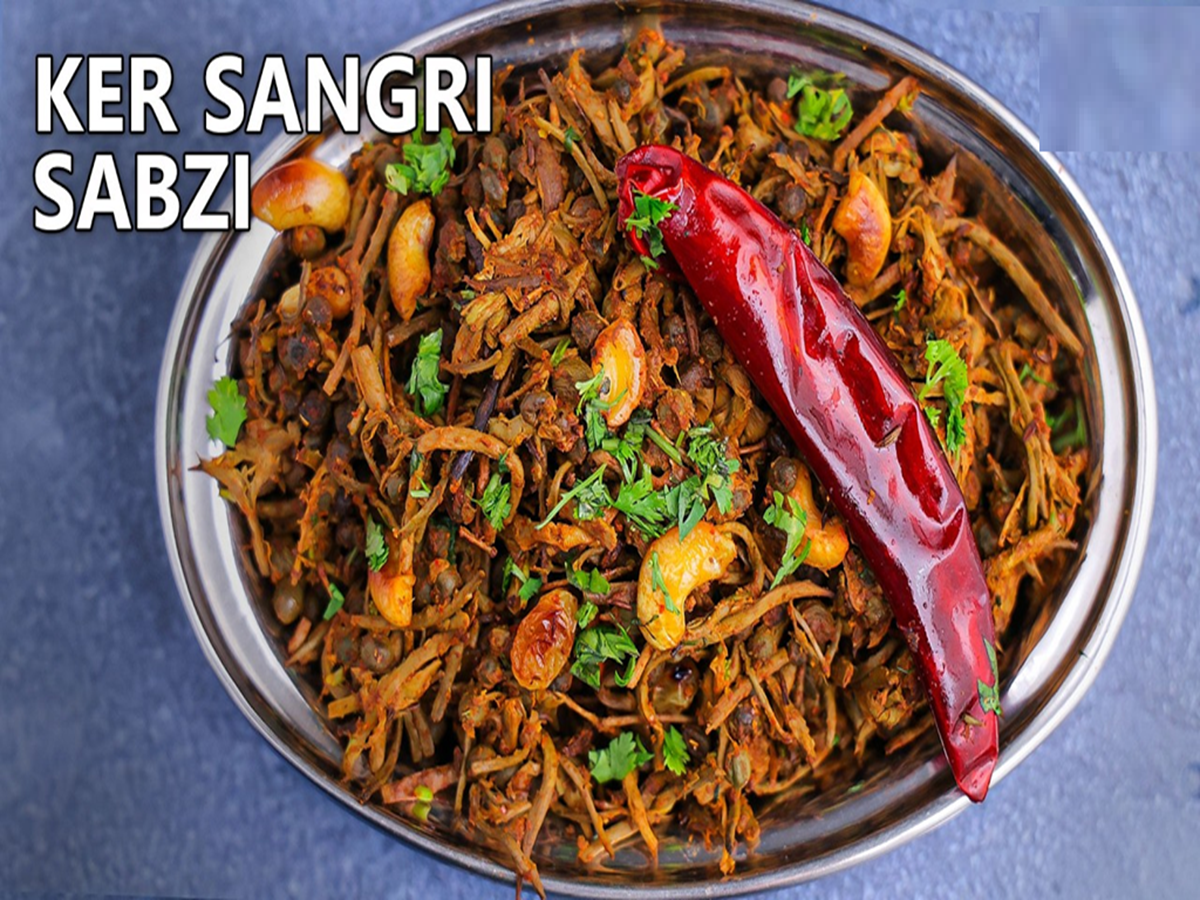
How to make Ker Sangri vegetable
Ker Sangri Recipe Rajasthani Style: When we think of Rajasthani food, the first things that come to mind are dishes like Dal-Baati-Churma, Gatte ki Sabzi, or Lal Maas. But Rajasthan's traditional cuisine isn't limited to these dishes. Many dishes are prepared here, each with a unique taste and preparation method. One such dish is Ker Sangri. This sweet, sour, and spicy vegetable is considered a hallmark of the desert regions of Rajasthan.
The speciality of Ker Sangri is that it doesn't require many ingredients. It can be prepared using dried Ker and Sangri along with some common spices available at home. In Rajasthan, it is a popular choice with roti, millet roti, puri, or paratha. If you too want to enjoy Rajasthani cuisine at home, you can easily prepare Ker Sangri vegetable.
What are Ker and Sangri?
Ker and Sangri are traditional fruits found in the desert regions of Rajasthan. Ker resembles a small berry, while Sangri is a long pod that grows on the Khejri tree. In arid regions like the Thar Desert of Rajasthan, where the availability of green vegetables was previously limited, Ker and Sangri became an important part of the diet. Both can be dried after harvesting and stored for a long time. This is why dried Ker and Sangri are used to make vegetables even after the season is over. Today, dried Ker and Sangri are easily available in grocery stores or online in cities other than Rajasthan.
Ingredients for Ker Sangri Sabji
To prepare this vegetable, you can take about 1 cup of dry sangri and half a cup of ker. Additionally, you will need yogurt, oil, cumin seeds, mustard seeds, fennel seeds, celery seeds, asafoetida, turmeric, red chili powder, coriander powder, and dry mango powder. Raisins and dried mango pieces can also be added for a sweet and sour taste. Adjust salt to taste. The method of preparing ker sangri may vary slightly in different households. Some people add yogurt to it, while others prepare it without yogurt. Similarly, the use of onion and garlic is also customary. In the traditional Marwari and Jain methods, it is also prepared without onion and garlic.
It is necessary to soak Ker Sangri before making it.
Dried ker and sangri should not be added directly to the pan to make a vegetable. First, clean them thoroughly and wash them two to three times with water. They can then be soaked in water for several hours or overnight. Some recipes also call for soaking them in yogurt to reduce bitterness. After thoroughly soaking, boil the ker and sangri until they soften. After boiling, drain the water and rinse them again with clean water. This helps reduce their sharp or bitter taste. Drain the excess water and set them aside.
How to prepare Ker Sangri masala
Now heat a pan and add enough oil. Once the oil is hot, add mustard seeds and cumin seeds. Then, add fennel seeds, carom seeds, and a little asafoetida and lightly fry. Once the spices begin to smell fragrant, reduce the heat. Add turmeric, chili powder, coriander powder, and other dry spices as needed. If you prefer the ginger-garlic paste, add this paste at this point. Cook the spices over low heat to prevent them from burning.
Mix boiled Ker Sangri in spices.
Once the masala is ready, add the boiled ker and sangri and mix well. Add salt to taste and sauté over low to medium heat for a few minutes. This will allow the spices to coat the ker and sangri well. Add dry mango powder for a sour taste. For a mild sweetness, you can add raisins. If you have dried mango pieces available, you can add them as well. This adds a nice balance of sour and sweet flavors to the curry. If using yogurt, whisk it well and add it over low heat, stirring constantly to prevent curdling.
Let the vegetables cook on low flame.
After mixing everything thoroughly, cook the vegetables over low heat for a few minutes. Ker Sangri is usually prepared dry or with very little gravy, so there's no need to add much water. Once the spices are well combined and the oil begins to separate slightly, turn off the heat. Prepared Ker Sangri can be served with hot millet rotis. It also tastes good with wheat rotis, parathas, or puris. It can also be eaten as a side dish with dal and rice. With its blend of sour, sweet, and spicy flavors, Ker Sangri can give a distinctive Rajasthani flavor to even ordinary meals.