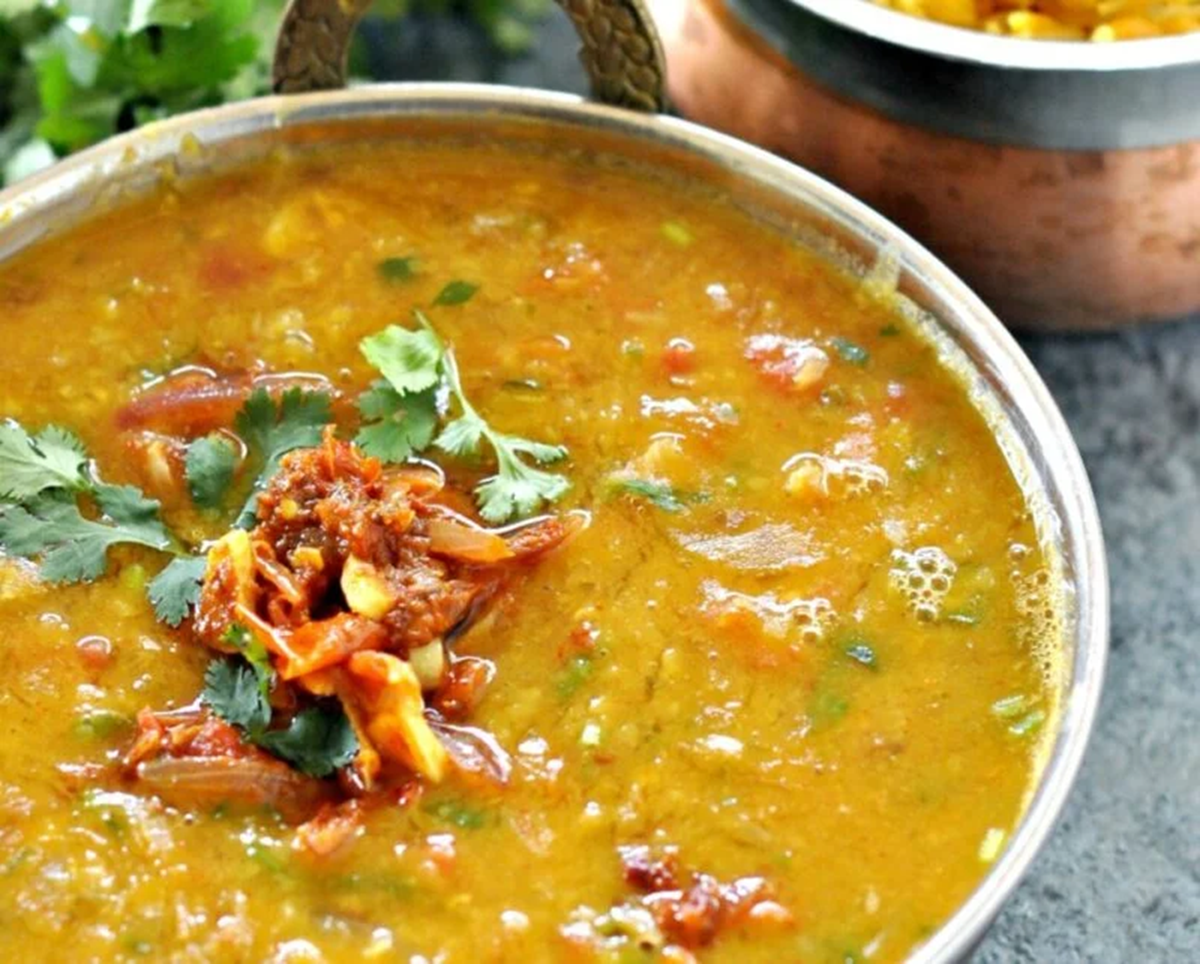
Homemade Dal Tadka: Small mistakes when making dal tadka can ruin both its taste and texture. If you want to make restaurant-style dal tadka, it's important to avoid these mistakes.
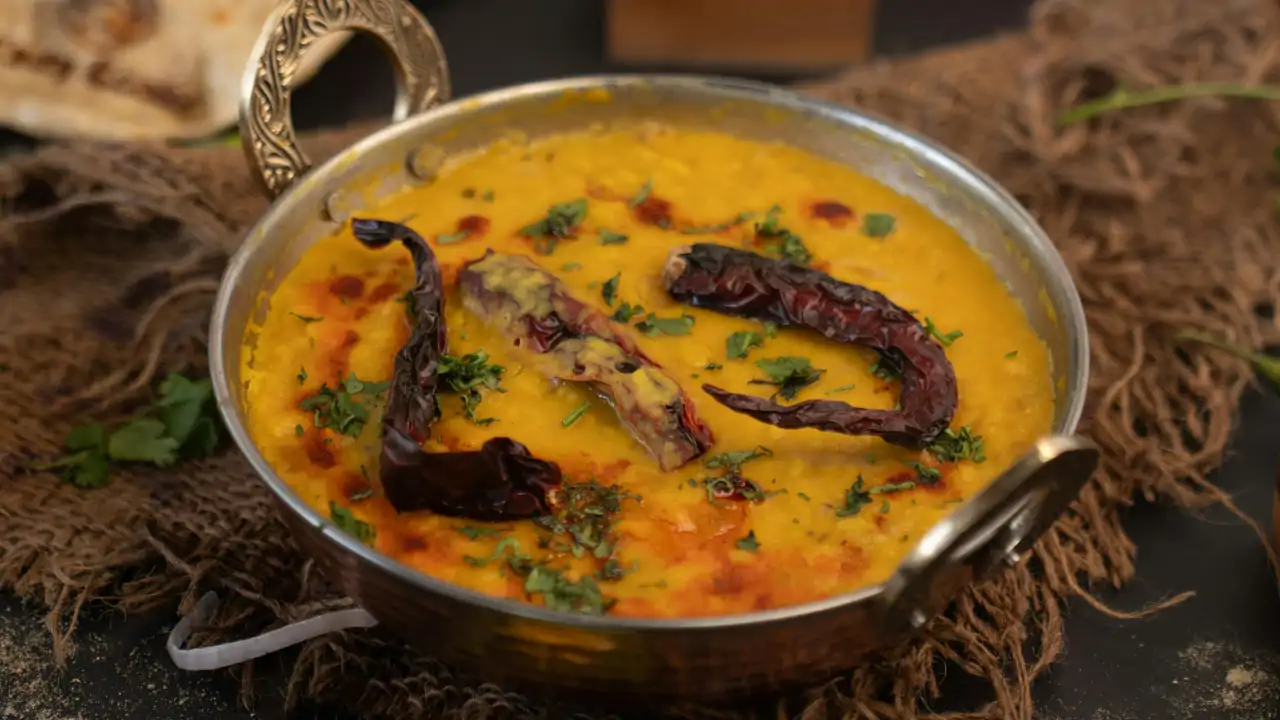
The right way to make restaurant-style dal tadka
Secret To Creamy Dhaba Dal Tadka: Hot dal tadka, the aroma of ghee on top and cumin rice on the side... the very mention of it makes one's mouth water. Dal tadka is one of those dishes made in Indian homes that can be prepared with minimal effort. But sometimes the dal prepared at home does not have the same taste as the dal found in restaurants. Sometimes the dal is too thick, sometimes it seems bland, and sometimes the tadka is so strong that it changes the taste of the entire dal.
In fact, small mistakes when making dal tadka can ruin both its taste and texture. If you want to make restaurant-style dal tadka at home, it's important to avoid these mistakes.
Cooking lentils without soaking
Many people, in a hurry, put the lentils directly into the pressure cooker and cook them. This often results in uneven cooking. Some grains are overcooked, while others remain slightly undercooked. Soaking the lentils for 30 minutes to 1 hour before cooking allows them to swell and cook more easily. This also gives the lentils a creamier texture and helps them absorb the flavors of the spices.
Using only one type of lentil
Dal tadka doesn't have to rely solely on one lentil to enhance its flavor. A combination of several lentils is used for a restaurant-style flavor. You can combine arhar, moong, and masoor dal. Mixing lentils in a ratio of approximately 2:1:1 can improve both the taste and texture. This results in a creamier and more delicious dal.
Add the tempering before cooking the lentils
The tempering plays a crucial role in dal tadka, but adding it at the right time is equally important. Many people add the tempering while the dal is still cooking. This can significantly diminish the aroma and flavor of the tempering. After the dal is fully cooked, let it sit for a while and then add fresh tempering. When tempering is added to hot dal, the aroma of ghee, cumin, garlic, and spices comes out more fully.
Add more garlic and chili
Garlic and green chilies are used to flavor the tempering, but excessive amounts can overwhelm the original flavor of the dal. About 4-5 garlic cloves and one green chili are sufficient for a single tempering. Maintaining a balance between the amount of ghee and spices in the tempering is crucial. This will bring out the aroma of the spices in the dal, without overpowering their flavor.
Ignoring the consistency of the lentils
A good dal tadka should neither be so thick that it resembles a paste nor so thin that it tastes bland. While cooking the dal, keep stirring it on low heat after adding water to maintain a creamy texture and easy pouring. If the dal becomes too thick after standing for some time, add a little hot water and mix thoroughly. This will bring the dal back to its proper consistency.
Using old or poor quality ghee
The flavor of dal tadka depends largely on its tempering. Therefore, the quality of the ghee should not be overlooked. Old or poor-quality ghee can impart a rancid or burnt aroma to the tadka, ruining the overall taste of the dal. Use fresh, good-quality ghee for tempering. If you don't use ghee, mustard oil can also be used. Heat it until the raw smell subsides.
Store the remaining lentils like this
If you have leftover lentils, instead of immediately refrigerating them, let them cool slightly at room temperature. Then, store them in an airtight glass container in the refrigerator. When reheating, add a little hot water as needed and heat over low heat, stirring occasionally. This will restore the lentils' creaminess.
What to eat with Dal Tadka?
Dal tadka is even more delicious when served with jeera rice. Tandoori roti, garlic naan, onion salad, and papad are also good accompaniments. If the dal is overcooked and becomes too thick or sticky, add a little water and whisk gently. This may improve the consistency somewhat. If you keep these simple tips in mind the next time you make dal, you can significantly improve the taste and texture of dal tadka at home.