FOOD & RECIPE
Diet for a 5-Year-Old: What should the diet of a 5-year-old child be, and what should be given for breakfast?
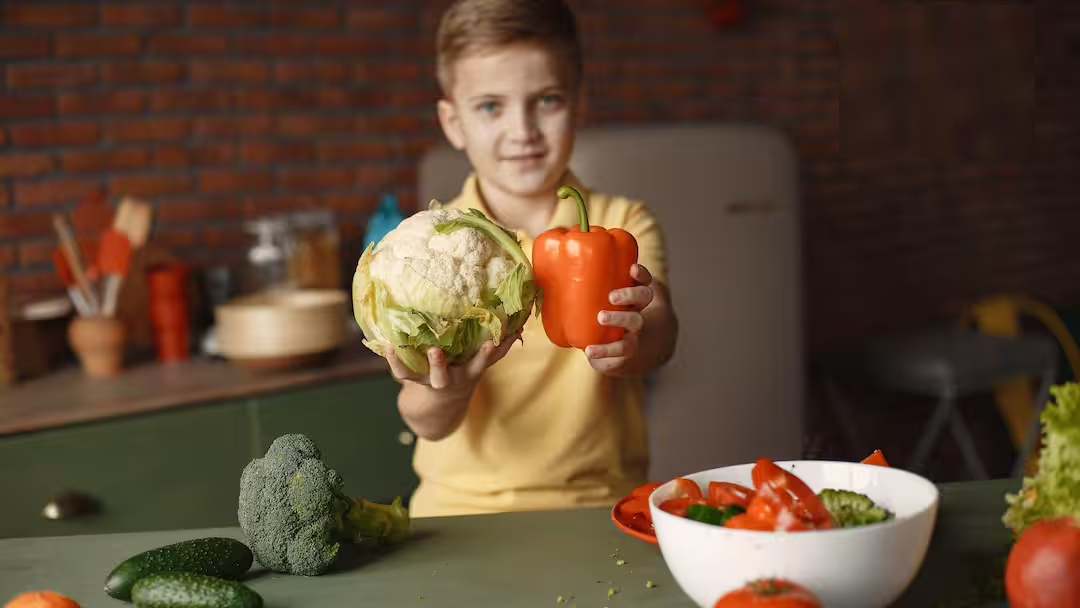
What should a 5-year-old child's diet include for healthy growth? Learn about easy and nutritious options for breakfast and meals throughout the day.
children's breakfast
At the age of 5, a child's body and mind grow rapidly. At this age, a child should be given a diet that provides the necessary nutrition and keeps them active throughout the day. A child's diet should include protein, calcium, iron, vitamins, fiber, and healthy fats. Additionally, it's important to develop eating habits that will be beneficial for their health in the future.
What to give for breakfast?
Provide your child with a breakfast that is both tasty and nutritious. Instead of giving them the same thing every day, try different options. Offer them vegetable poha, semolina upma, porridge, gram flour or moong dal cheela with milk. For egg-eating children, boiled eggs or vegetable omelets can be offered. Idli-sambar is also a good option. Include bananas, apples, papayas, or seasonal fruits in your breakfast. This provides your child with fiber and essential vitamins. Remember not to force-feed breakfast; instead, adjust the portion size based on your child's appetite.
What should be in lunch and dinner?
Include items like roti, rice, lentils, vegetables, and yogurt in your child's lunch and dinner. Lentils and paneer provide protein, while milk, yogurt, and cheese provide calcium, essential for bones. Also, feed them green vegetables, carrots, spinach, beans, and seasonal vegetables. If your child is reluctant to eat vegetables, they can be mixed into parathas, cheelas, or pulao. Avoid excessive oil, salt, and spices. Try to ensure your child gets fresh, home-cooked food and has some variety in his or her meals every day.
What should I feed you if you feel hungry in between?
Provide your 5-year-old child with three main meals a day, plus one or two light snacks as needed. For this, offer roasted chickpeas, makhana, homemade vegetable sandwiches, yogurt, fruit, or boiled sweetcorn. Avoid frequent snacking on chips, biscuits, chocolate, candy, and packaged juices. Instead, offer plain water, homemade meals, and whole fruits. Ensure your child drinks plenty of water throughout the day, and ensure they get plenty of play and sleep, along with meals. Furthermore, your child's appetite varies from day to day, so don't force them to finish their plate. If your child isn't gaining weight, eats very little, or is constantly tired, consult a pediatrician.