NEWS
Iran Won’t Give Up Uranium Enrichment Rights, President Pezeshkian Reaffirms Amid Diplomatic Talks
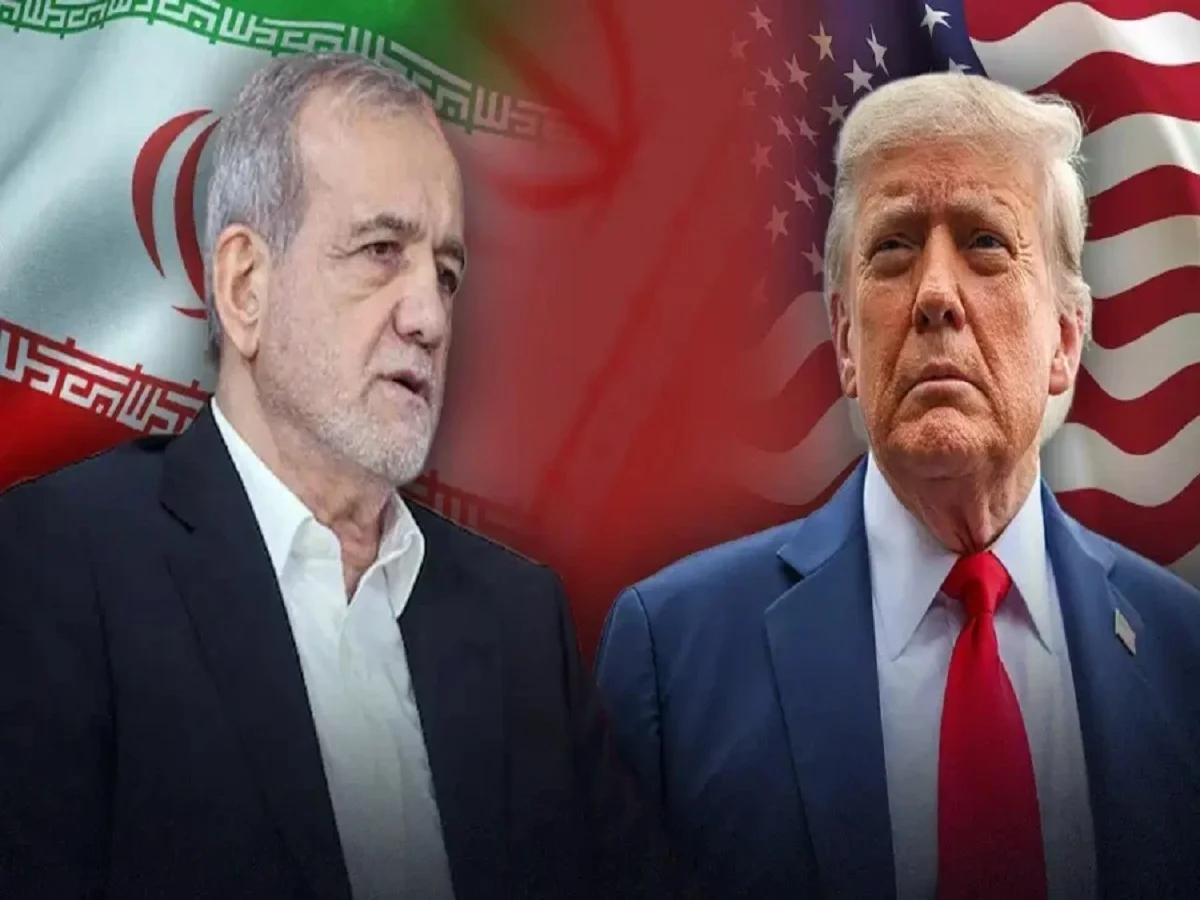
Efforts to ease tensions in the Middle East continue as Iran's President Masoud Pezeshkian has reiterated that Tehran has no intention of developing nuclear weapons. However, he made it clear that Iran will not abandon its right to enrich uranium for peaceful purposes, a key issue that remains at the center of disagreements with the United States.
The statement comes at a time when diplomatic activity in the region is intensifying, with discussions focusing on nuclear policy, regional security, economic sanctions, and ongoing conflicts in neighboring countries.
Iran Rejects Nuclear Weapons Ambitions
President Pezeshkian emphasized that Iran's nuclear program is intended solely for peaceful and civilian purposes.
According to Iranian officials, Tehran remains willing to provide assurances that it is not seeking to build nuclear weapons. However, the country insists that uranium enrichment for peaceful energy and research purposes is a legitimate right that should be recognized under international frameworks.
Key Points Raised by Iran
- Iran says it does not seek to develop nuclear bombs.
- The government is prepared to provide guarantees regarding peaceful nuclear activities.
- Tehran maintains that uranium enrichment is a sovereign national right.
- Iranian leaders believe international partners should acknowledge that right.
Speaking through official channels, Pezeshkian stressed that while concerns about nuclear weapons are not new, Iran will not compromise on what it considers its lawful nuclear rights.
Regional Security and Lebanon Expected to Dominate Talks
Iranian officials have indicated that regional security issues will be a major focus during upcoming diplomatic discussions.
Particular attention is expected to be given to the situation in Lebanon and the ongoing tensions involving Israel and Hezbollah. Iranian representatives have suggested that recent developments in the region require urgent diplomatic engagement to prevent further escalation.
Topics Likely to Be Discussed
- Security conditions in Lebanon.
- Efforts to reduce tensions across the Middle East.
- Regional stability and conflict prevention.
- Potential diplomatic solutions to ongoing disputes.
Iran's Foreign Ministry has stated that dialogue remains an important tool for addressing complex regional challenges.
Economic Issues Also on Tehran's Agenda
In addition to political and security concerns, Iran plans to raise several economic matters during discussions with international counterparts.
Iranian authorities are seeking progress on issues that have affected the country's economy for years, including restrictions on financial assets and energy exports.
Economic Priorities for Iran
- Access to Iranian funds held abroad.
- Easing restrictions affecting financial transactions.
- Expanding opportunities for oil exports.
- Addressing the impact of economic sanctions.
Officials believe that resolving some of these issues could contribute to economic stability and improve conditions for trade and investment.
Focus on Frozen Assets in Qatar
One of the most closely watched financial matters involves Iranian funds currently held overseas.
Iranian leaders have expressed optimism regarding the potential release of approximately $6 billion in assets located in Qatar. According to Tehran, discussions surrounding these funds have shown encouraging signs, and officials remain hopeful that progress can be achieved through diplomatic engagement.
The issue has become a significant component of broader negotiations involving economic cooperation and financial access.
Criticism of Israeli Leadership
During his remarks, President Pezeshkian also criticized Israeli Prime Minister Benjamin Netanyahu, suggesting that opponents of closer diplomatic engagement between Tehran and Washington could resist any potential breakthroughs.
Iranian officials argue that sustained dialogue remains the most effective path toward reducing tensions and resolving long-standing disputes.
High-Level Diplomatic Activity Continues
Diplomatic efforts involving regional and international stakeholders have intensified in recent weeks. Reports indicate that senior officials from several countries have participated in meetings aimed at discussing security, economic cooperation, and conflict resolution.
Upcoming discussions in Switzerland are expected to draw significant attention as observers watch for signs of progress on both regional security concerns and broader diplomatic negotiations.
What Comes Next?
The coming weeks could prove crucial for relations between Iran and Western nations. While disagreements remain over uranium enrichment and regional policies, both sides continue to explore diplomatic channels.
Analysts believe the outcome of ongoing talks may influence not only the future of Iran's nuclear program but also broader developments across the Middle East, including regional security, economic cooperation, and efforts to reduce geopolitical tensions.
For now, Iran's position remains unchanged: the country insists it does not seek nuclear weapons, but it is equally determined to preserve what it views as its right to continue peaceful uranium enrichment activities.