
Indonesia's stock market plunged 11.57% on Friday, its biggest drop since January 1998. MSCI's warning increased investor concerns and sent panic through the market.
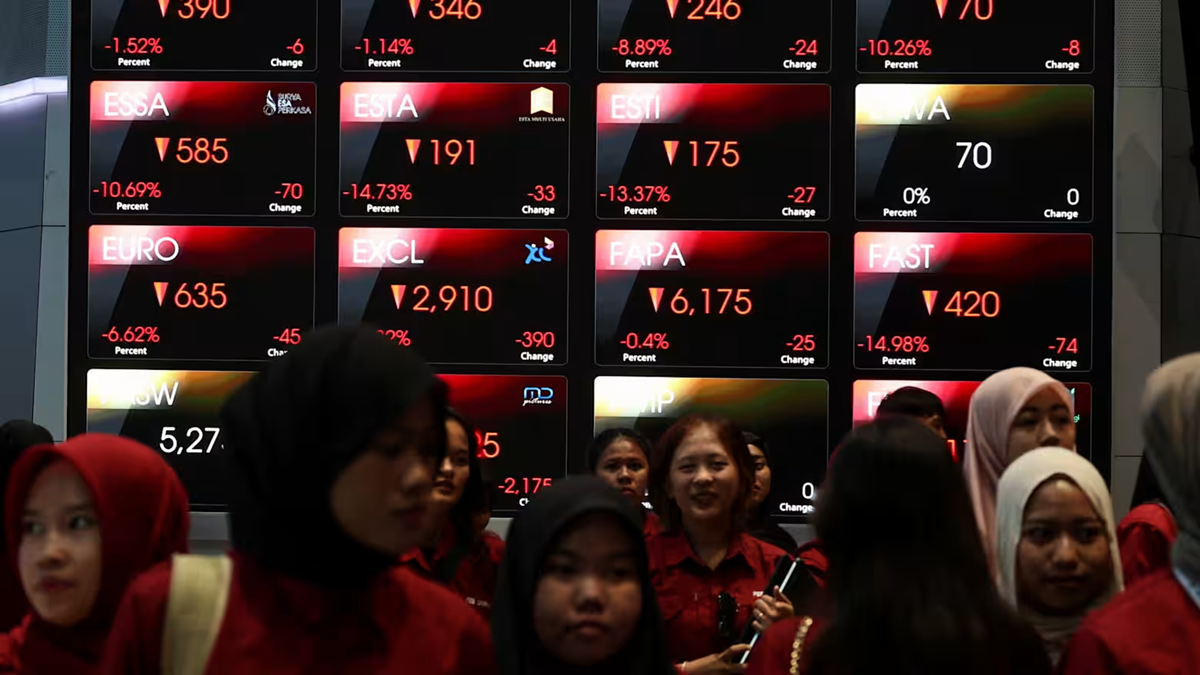
Indonesia's stock market suffers its biggest drop in 28 years
Indonesia's stock market is in turmoil these days. The market experienced a single-day decline that shattered a 28-year record. On Friday, the Jakarta Composite Index fell 11.57%, marking the market's biggest single-day decline since January 1998. This massive sell-off resulted in significant losses for investors, and trading was temporarily halted.
In fact, a warning from global index provider MSCI is believed to be a major reason behind this decline. MSCI has proposed downgrading Indonesia's market from its current emerging market category to a "standalone market." If this happens, it could lead to massive selling by foreign investors.
Such a big fall in the market after 28 years
The Indonesian market opened with a decline of nearly 8% on Friday, after which the selling became so intense that trading was halted for 30 minutes. Stocks in the country's major banking sector were the most heavily pressured. Shares of Bank Central Asia, Bank Rakyat Indonesia, and Bank Mandiri fell by nearly 15%.
Additionally, the Indonesian currency weakened against the US dollar, reaching 18,070. The Indonesian stock market has declined nearly 40% so far this year.
Why did MSCI's warning increase concerns?
MSCI has raised questions about the transparency of the Indonesian market, the ownership of corporate shares, and the trading system. Simply put, the company is concerned about the clarity and reliability of information about who owns shares and how they are traded.
If MSCI downgrades Indonesia's market rating, many foreign funds investing there could withdraw their money. This could further pressure the market.