Business
Petrol and Diesel Prices Today, November 7, 2026: Has Crude Oil's Decline Made Fuel Cheaper? Check City-Wise Rates
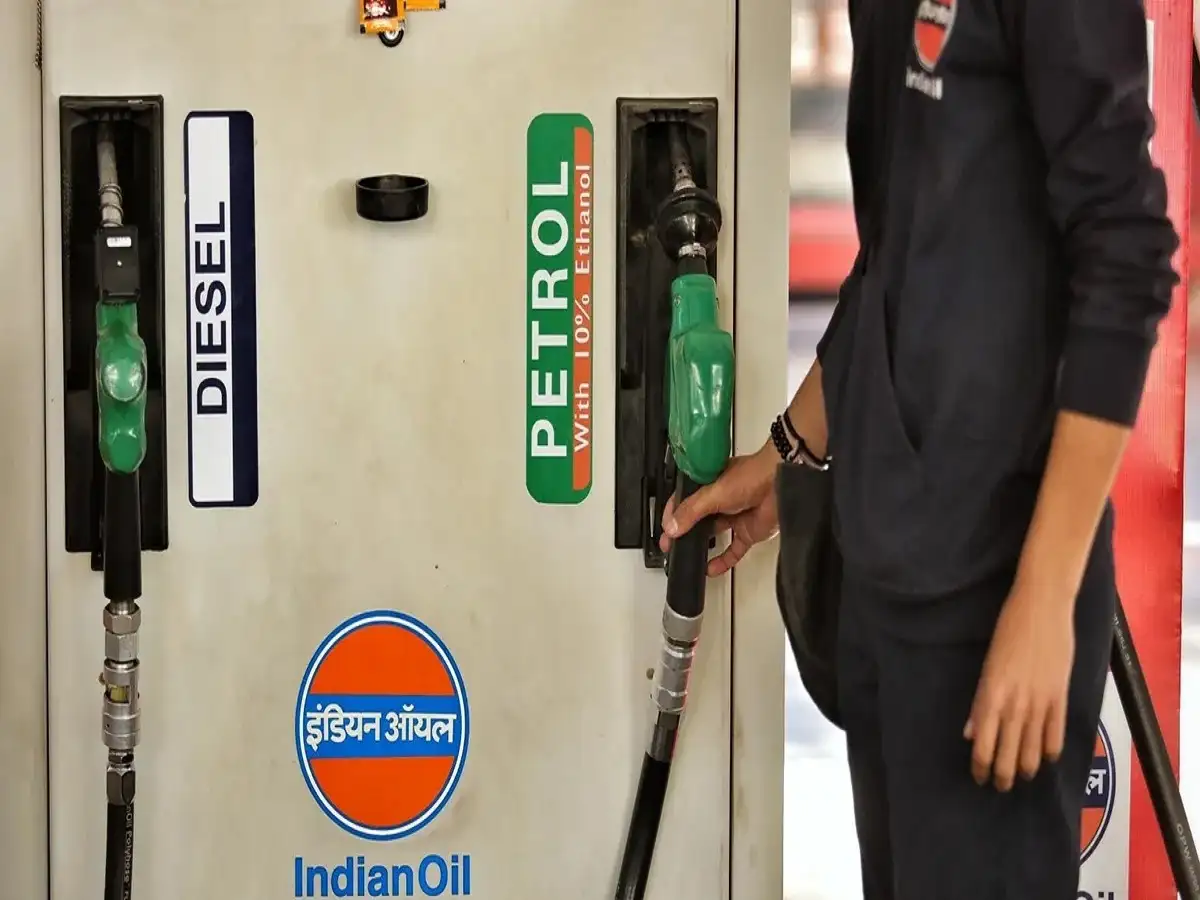
Petrol and Diesel Price Today, November 7, 2026: With the festive season underway across India, motorists are closely watching petrol and diesel prices amid fluctuations in international crude oil markets. Although global oil prices have faced downward pressure, retail fuel rates in several major Indian cities have reportedly remained largely unchanged.
Consumers expecting immediate relief from falling crude oil prices may have to wait longer. Domestic petrol and diesel prices are influenced by several factors beyond international oil rates, including taxes, transportation expenses, currency movements and the pricing decisions of oil marketing companies.
According to the fuel price information reported for November 7, 2026, petrol continues to cost more than ₹100 per litre in several major cities, while diesel prices also remain relatively high.
Here is a detailed look at the reported petrol and diesel prices across India and the factors affecting fuel costs.
Petrol and Diesel Prices Today: November 7, 2026
Oil marketing companies generally review and announce retail petrol and diesel prices daily, with revisions ordinarily taking effect at 6 AM.
The latest reported rates show considerable differences between cities because of variations in state-level taxes and other local pricing components.
Petrol and Diesel Prices in Major Metro Cities
| City | Petrol Price (₹/Litre) | Diesel Price (₹/Litre) |
|---|---|---|
| New Delhi | ₹102.12 | ₹95.20 |
| Mumbai | ₹111.21 | ₹97.83 |
| Chennai | ₹107.76 | ₹99.55 |
| Kolkata | ₹113.51 | ₹99.82 |
| Bengaluru | ₹111.68 | ₹99.56 |
| Hyderabad | ₹116.15 | ₹104.23 |
Note: These figures are reproduced from the supplied November 7, 2026 report and have not been independently verified against official oil marketing company price lists.
Among these six cities, Hyderabad has the highest reported petrol and diesel prices, while New Delhi has the lowest petrol price.
The difference highlights how local taxation and distribution-related costs can affect what motorists pay at fuel stations.
Petrol and Diesel Prices in Other Indian Cities
Apart from the major metropolitan centres, fuel prices also vary across state capitals and other important cities.
The reported rates for November 7, 2026, are as follows:
| City | Petrol Price (₹/Litre) | Diesel Price (₹/Litre) |
|---|---|---|
| Gurugram | ₹102.97 | ₹95.64 |
| Noida | ₹101.96 | ₹95.44 |
| Bhubaneswar | ₹108.97 | ₹100.68 |
| Chandigarh | ₹101.54 | ₹89.47 |
| Jaipur | ₹112.66 | ₹98.25 |
| Lucknow | ₹101.86 | ₹95.36 |
| Patna | ₹113.37 | ₹99.36 |
| Thiruvananthapuram | ₹115.49 | ₹104.40 |
According to these reported figures, petrol costs ₹112.66 per litre in Jaipur, while diesel is priced at ₹98.25 per litre.
In Lucknow, petrol is listed at ₹101.86 per litre and diesel at ₹95.36 per litre.
Meanwhile, Chandigarh has one of the lowest reported diesel prices among the cities included in the table, at ₹89.47 per litre.
Motorists should confirm the latest prices with their fuel provider because retail rates can change and may differ slightly by location.
Have Petrol and Diesel Prices Fallen After the Decline in Crude Oil?
A fall in international crude oil prices does not necessarily translate into an immediate reduction in petrol and diesel prices at Indian fuel stations.
Crude oil is the primary raw material used to produce petrol and diesel, but the final retail price also includes refining, transportation, distribution margins and taxes.
Oil marketing companies consider several commercial factors when determining retail prices.
Consequently, even when crude oil becomes cheaper internationally, consumers may not see a corresponding reduction at the pump.
The November 7 report indicates that retail fuel prices in major Indian cities have not experienced a substantial reduction despite pressure on international crude oil benchmarks.
However, the source does not provide a verified day-on-day comparison for every city, so the reported rates alone cannot establish whether prices rose or fell compared with November 6.
Why Are International Crude Oil Prices Under Pressure?
Global crude oil markets have reportedly experienced considerable volatility as investors assess developments affecting international energy supplies.
According to the source report, Brent crude and West Texas Intermediate (WTI), two widely followed international oil benchmarks, have faced downward pressure.
Market participants have been monitoring geopolitical developments in the Middle East, including the possibility of an easing of prolonged regional tensions.
Such developments can influence expectations about future oil supplies and the risks associated with transporting crude oil through important international routes.
However, geopolitical conditions are only one factor affecting oil prices.
Global demand, production decisions by major oil-producing countries, economic growth expectations and inventory levels can also influence international crude oil markets.
A decline in crude prices may eventually reduce the cost of importing oil, but the timing and extent of any benefit to Indian consumers depend on domestic pricing decisions.
Why Do Petrol and Diesel Prices Differ Across Indian Cities?
Motorists travelling between states often notice that fuel prices change even when they purchase petrol or diesel from the same oil marketing company.
One major reason is the difference in state-level Value Added Tax (VAT) and other applicable local levies.
Petrol and diesel are not currently included under the standard Goods and Services Tax (GST) framework.
Instead, their retail prices reflect a combination of central excise duties, state taxes, dealer commissions and other pricing components.
Transportation costs also matter.
Fuel transported over longer distances from refineries or storage depots may involve different distribution expenses.
As a result, two neighbouring cities can have different petrol and diesel prices despite similar international crude oil conditions.
Does Removing an Export Duty Reduce Petrol Prices in India?
The source report refers to the removal of an additional excise duty associated with petrol exports.
However, taxes imposed on exported petroleum products and duties included in domestic retail fuel prices serve different purposes.
Removing an export-related levy does not automatically reduce the price consumers pay for petrol at Indian filling stations.
Any impact depends on the precise tax measure, the products covered and how the change affects the broader fuel market.
Therefore, consumers should not assume that an export-duty announcement will necessarily result in cheaper petrol or diesel for domestic vehicles.
How Can Consumers Check the Latest Petrol and Diesel Prices?
Motorists can verify fuel prices through the official websites and customer services of major oil marketing companies.
The main fuel retailers include Indian Oil Corporation, Bharat Petroleum Corporation Limited and Hindustan Petroleum Corporation Limited.
Consumers can visit their official websites:
- Indian Oil: https://iocl.com
- Bharat Petroleum: https://www.bharatpetroleum.in
- Hindustan Petroleum: https://www.hindustanpetroleum.com
Customers may also use the official mobile applications and fuel price enquiry services offered by these companies.
Checking the latest rate before visiting a petrol pump is particularly useful for people travelling between cities or states.
How Can Motorists Reduce Their Monthly Fuel Expenses?
Although drivers cannot directly control petrol and diesel prices, certain habits can help improve fuel efficiency.
Maintaining the recommended tyre pressure reduces unnecessary rolling resistance and may improve mileage.
Regular vehicle servicing can also help engines operate efficiently.
Drivers should avoid unnecessary idling, sudden acceleration and repeated harsh braking whenever possible.
Planning journeys, combining errands and avoiding heavily congested routes can also reduce fuel consumption.
These measures may not produce identical savings for every vehicle, but they can help motorists manage fuel expenses over time.
Will Petrol and Diesel Become Cheaper in the Coming Days?
Future retail fuel prices will depend on international crude oil movements, currency exchange rates, taxation policies and decisions taken by oil marketing companies.
If global crude prices remain lower for an extended period, it could ease some cost pressures on petroleum companies.
However, there is no guarantee that such a decline will immediately be passed on to consumers.
Motorists should continue monitoring official fuel price announcements rather than relying solely on international crude oil headlines.
Conclusion
Petrol and diesel prices remain an important concern for Indian households, particularly during the festive season when travel and transportation demand can increase.
According to the reported November 7, 2026 rates, petrol costs ₹102.12 per litre in New Delhi, ₹111.21 in Mumbai, ₹113.51 in Kolkata and ₹112.66 in Jaipur.
Diesel prices are reported at ₹95.20 in New Delhi, ₹97.83 in Mumbai, ₹99.82 in Kolkata and ₹98.25 in Jaipur.
Despite downward pressure on international crude oil prices, the supplied report does not indicate a major nationwide reduction in retail fuel rates.
Consumers should check the latest official city-wise prices before refuelling, as international crude oil movements do not automatically lead to immediate changes at petrol pumps.